The House of Representatives recently passed its annual defense policy bill, a massive $1.15 trillion package, but the vote was anything but typical. This crucial legislation became a battleground for core American principles, exposing deep fissures within the Democrat Party and delivering significant conservative victories that push back against the radical left's agenda.
The fiscal year 2027 National Defense Authorization Act (NDAA) passed with a vote of 216-212, seeing Republicans largely united in support, while the vast majority of Democrats stood in opposition. Only a paltry six Democrats crossed the aisle, demonstrating the intensifying political divide and the Left's weakening commitment to a strong national defense.
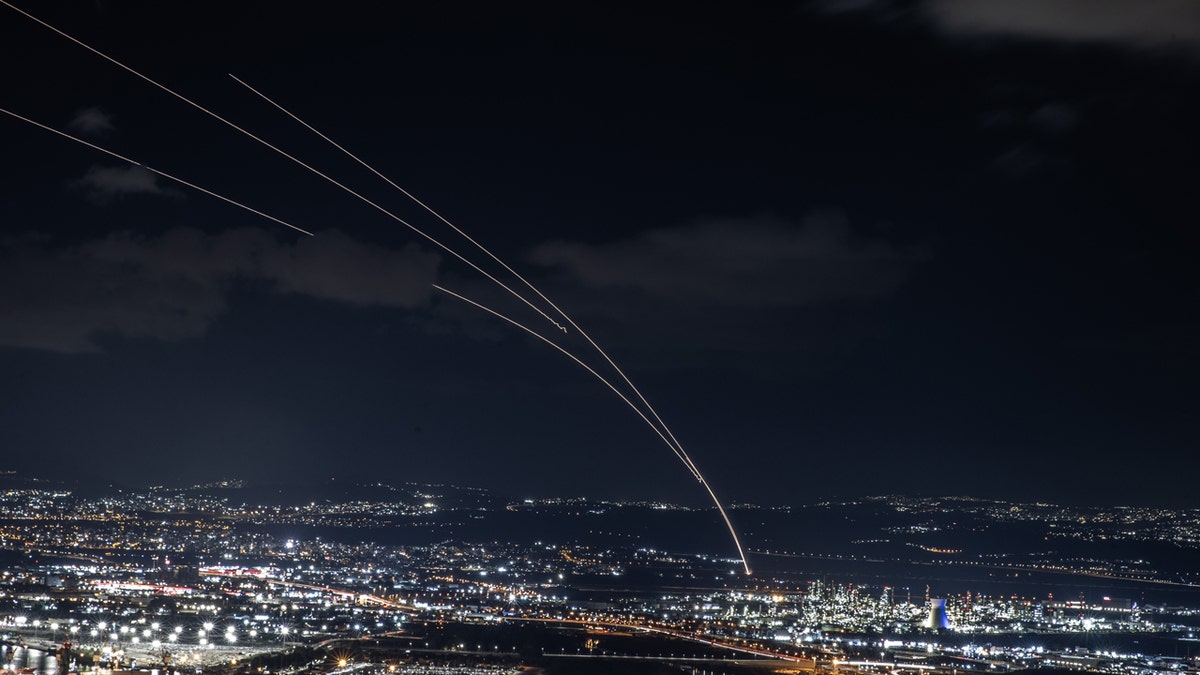
Central to the fierce debate was Section 219, a provision aimed at expanding U.S.-Israel defense technology cooperation. This measure, designed to embed bilateral defense research and development more deeply within the Pentagon, sparked a revolt from a strange bedfellow coalition of progressive Democrats and some “America First” Republicans, albeit for vastly different reasons.
The opposition highlighted the deepening chasm within House Democrats regarding support for Israel, a stark contrast to past bipartisan consensus. Just a week prior, 103 Democrats joined Rep. Thomas Massie, R-Ky., in a failed attempt to block $3.3 billion in U.S. aid to Israel. For many on the Left, Section 219 was seen as moving the relationship "in the opposite direction."
Rep. Alexandria Ocasio-Cortez, D-N.Y., launched an extraordinary attack on the provision, absurdly claiming it would "merge parts of our military with the IDF" and calling it an "existential threat to American sovereignty and democracy." Her radical rhetoric was swiftly and rightly rebutted by Rep. Mike Lawler, R-N.Y., who shot back, "Good grief, you are either obtuse or intentionally lying. We are not merging our military with the IDF. As we do with many of our allies, we enter into cooperative agreements, share intelligence, develop technology and ammunitions, and conduct military exercises together. Stop stoking Jew hatred and do better." And there it is.
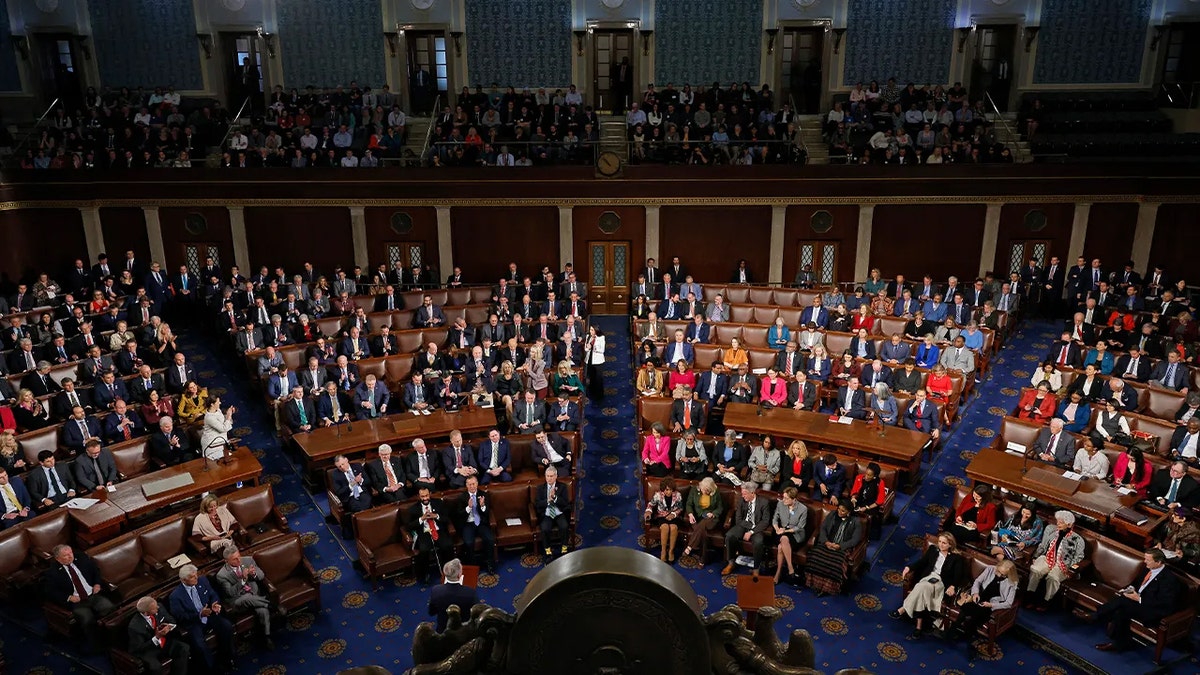
Rep. Massie similarly opposed the measure, stating, "We should not merge our military tech and supply chain with Israel's." However, House Armed Services Committee Chairman Mike Rogers, R-Ala., rightly defended the provision, stating it would improve oversight and efficiency by assigning responsibility for existing initiatives to a single official, emphatically adding, "In no way does it give away command and control of our military operations, personnel or equipment."
Beyond the Israel provision, the NDAA debate served as a crucial opportunity to push back against the Biden administration's relentless embrace of woke ideology within our military. House Republicans successfully adopted key amendments that directly address these concerns, signaling a return to common sense and military readiness.
In a decisive victory, the House voted 219-208 to prohibit Tricare from covering certain gender-transition procedures and treatments, with five Democrats supporting this vital amendment. Lawmakers further prohibited transgender girls from participating in girls sports at War Department schools, passing the measure 221-203. Additionally, a common-sense amendment making it easier for qualified service members and civilian War Department employees to carry personal firearms on military installations narrowly passed 215-214, affirming the Second Amendment rights of those who serve our nation.
These amendments represent a powerful rebuke of the radical left's attempts to undermine our military's focus and cohesion with divisive social experiments. They prioritize the mission, readiness, and traditional values that truly strengthen our armed forces, rather than diluting them with progressive dogma.
In a bold maneuver that underscored the America First commitment to election integrity, Republican leaders revived the Trump-backed SAVE America Act. This crucial legislation, which requires documentary proof of citizenship to register to vote and identification to cast a ballot in federal elections, was ingeniously attached to the NDAA. This strategic move, despite initial resistance from some Republicans who later relented, ensures that the fight for secure and fair elections remains front and center, even as Democrats in the Senate attempt to obstruct common-sense reforms.
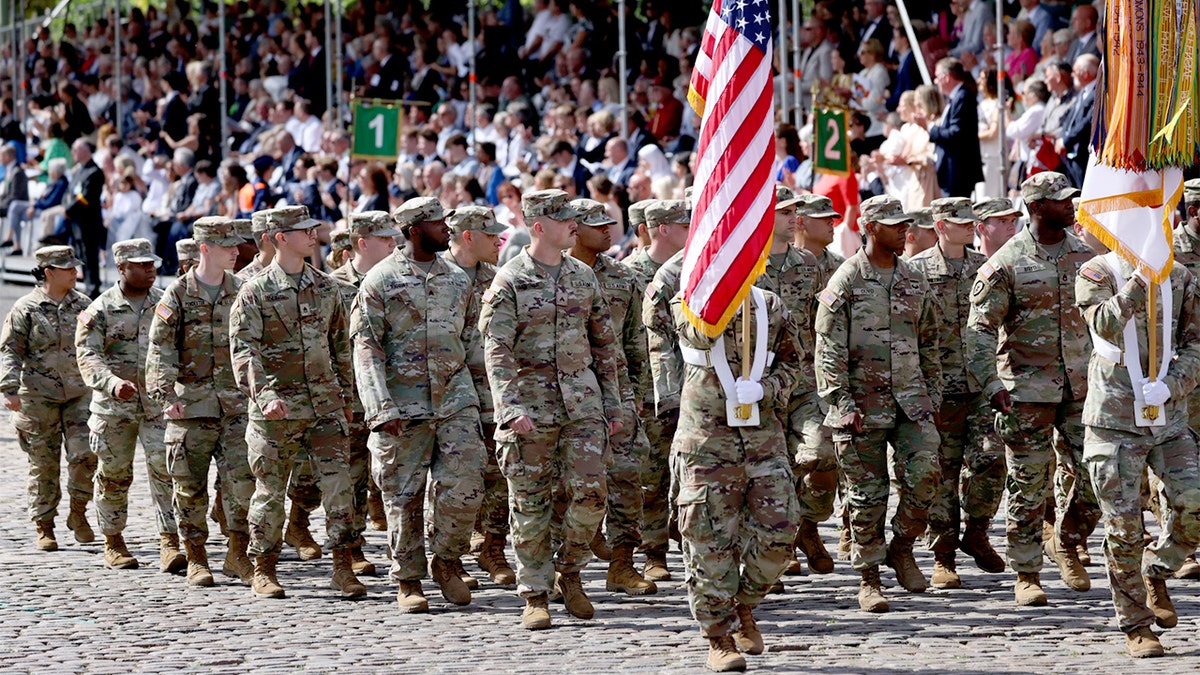
The underlying NDAA itself authorizes roughly $1.15 trillion for national defense, including much-needed pay raises for service members, expanded weapons production, and investments in critical technologies. Notably, the bill would also formally change the Department of Defense's name to the Department of War, a symbolic but significant move reflecting a clear-eyed understanding of the global landscape.
As this combined defense and election package faces an uncertain future in the Democrat-controlled Senate, the House has sent a clear message. It is a message of resolve, a commitment to a strong military free from woke distractions, unwavering support for our allies like Israel, and an unyielding dedication to ensuring the integrity of American elections. This vote underscores the ongoing battle for the soul of the nation, where America First principles continue to lead the charge against the forces of division and weakness, demanding accountability and protecting our precious freedoms.