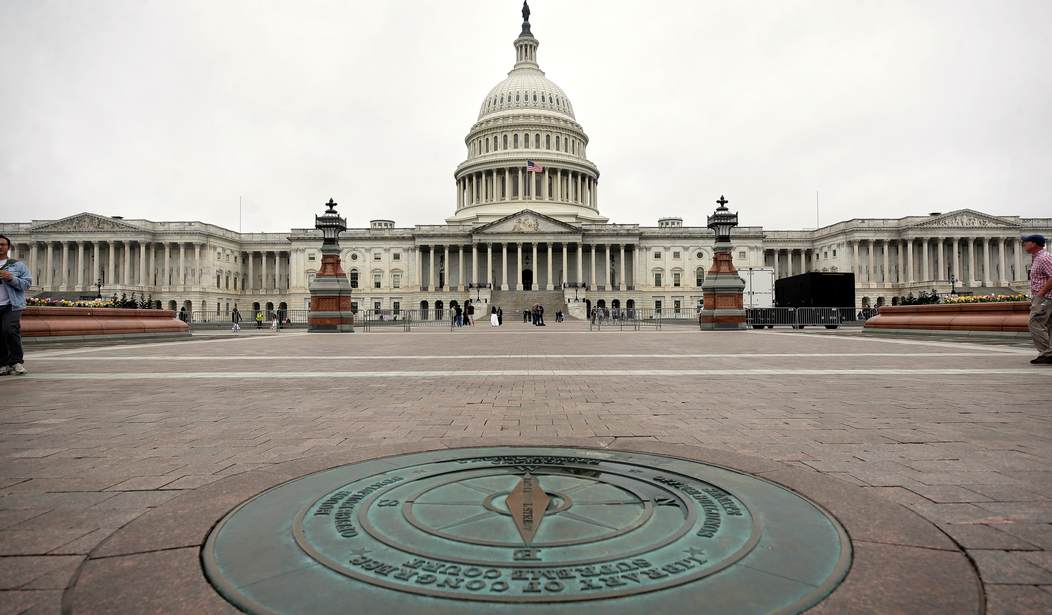
The House of Representatives voted Thursday against a short-term extension of Section 702 of the Foreign Intelligence Surveillance Act (FISA), leaving one of the federal government’s most controversial surveillance authorities set to expire Friday unless lawmakers take further action.
The measure failed by a vote of 198-218. Seven Democrats joined Republicans in supporting the extension, while 19 Republicans broke ranks and voted against it.
Yes. 19 republicans.
Section 702 provides legal authority for U.S. intelligence agencies, including the National Security Agency (NSA) and the FBI, to conduct warrantless surveillance targeting non-Americans located outside the United States. The program has long been defended by national security officials as a critical intelligence tool but has also faced criticism from civil liberties advocates and lawmakers concerned about government overreach.
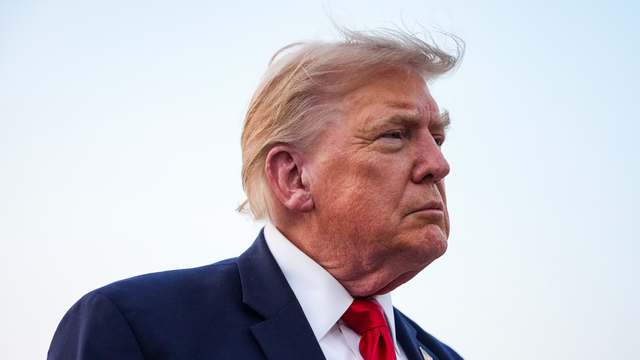
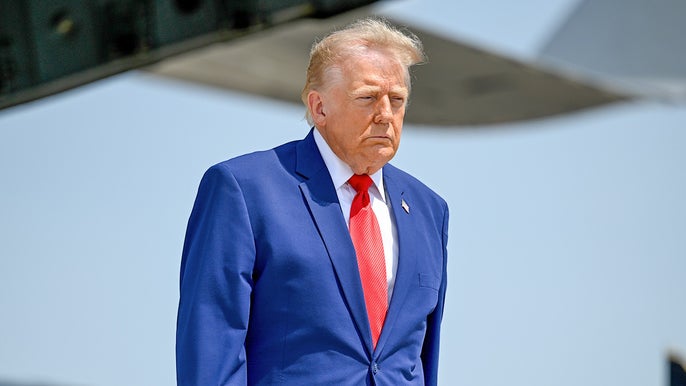
The vote took place amid political tensions surrounding President Donald Trump’s decision to appoint Bill Pulte as Acting Director of National Intelligence following the departure of Tulsi Gabbard. Gabbard stepped down after her husband was diagnosed with a rare form of bone cancer.
Critics of the surveillance program have pointed to past controversies involving intelligence agencies, including the surveillance of former Trump campaign adviser Carter Page. A Justice Department inspector general report found significant problems with the FBI’s Crossfire Hurricane investigation, which examined allegations of Trump-Russia collusion. Although that surveillance was conducted under a different section of FISA requiring warrants, the episode remains a frequent example cited by opponents of expanding intelligence powers.
The defeat of the extension reflects growing skepticism toward warrantless surveillance among lawmakers from both parties. In recent years, concerns about privacy, government accountability, and the potential for abuse have united an unusual coalition of conservatives and civil libertarians.
For many Americans, the debate comes down to a simple question: how much surveillance power should the government possess, and what safeguards should exist to prevent misuse? Apparently, that question remains difficult for Congress to answer—even as lawmakers head home for another recess.
With Section 702 now approaching expiration, pressure will likely increase on Congress to determine whether the program should be renewed, reformed, or allowed to lapse. The debate is expected to remain at the center of ongoing discussions about national security, privacy rights, and government accountability.