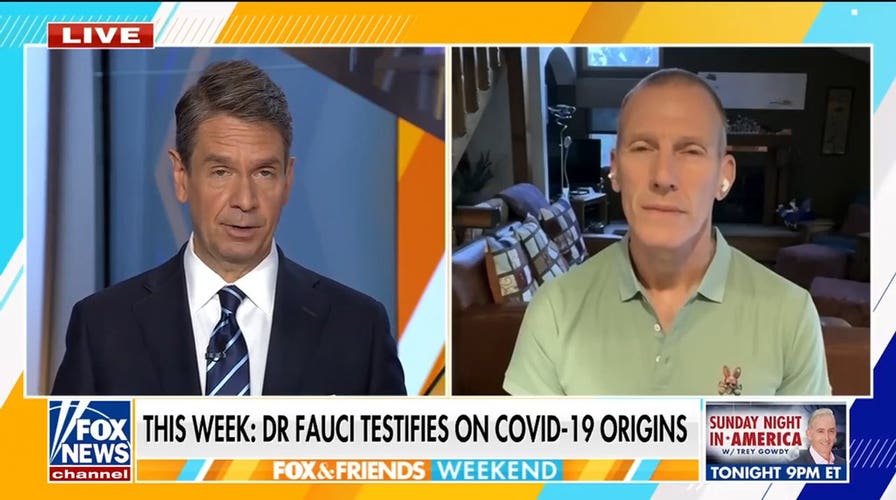
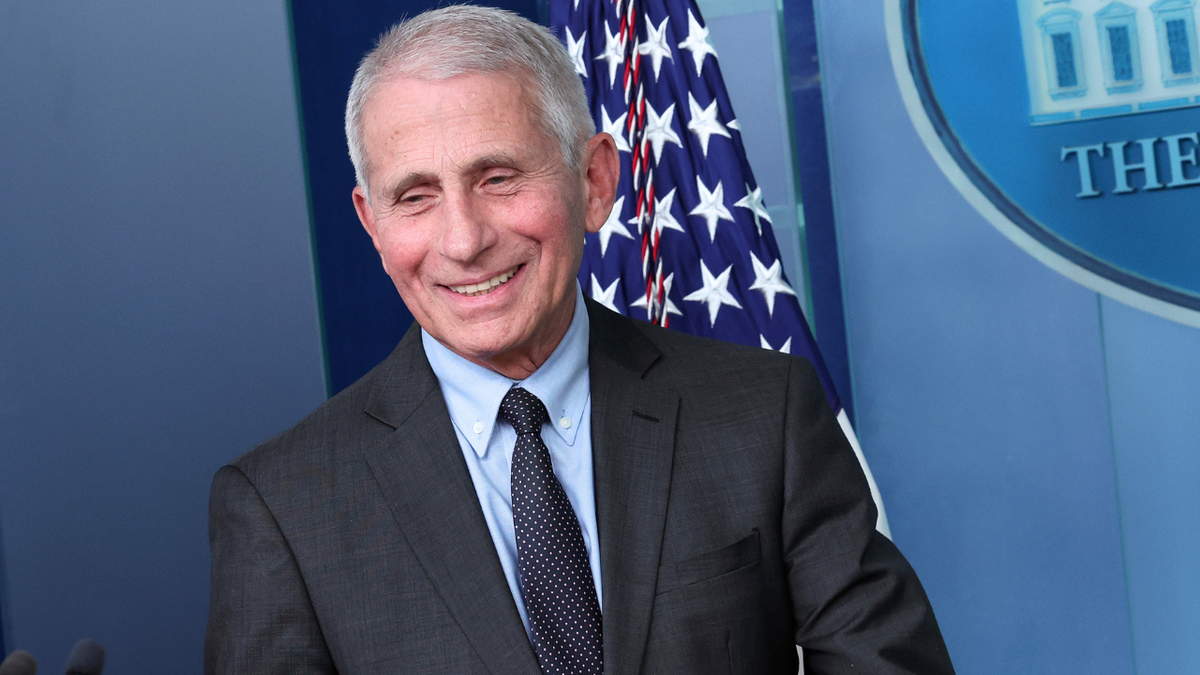
The man who dictated America's pandemic response, Dr. Anthony Fauci, has had his private world ripped open, revealing an unfiltered look at the politicians, media personalities, and celebrities who filled his orbit during the COVID-19 era. Thanks to Senate Homeland Security Committee Chairman Rand Paul, R-Ky., these newly released diary entries offer a telling glimpse behind the curtain of the self-proclaimed 'science' authority.
These aren't sanitized public statements; they are Fauci's raw, day-to-day observations, chronicling meetings, phone calls, and candid personal thoughts. This extraordinary release comes just days before Fauci is set to testify before the Senate, subpoenaed by Senator Paul – a lawmaker relentlessly pursuing accountability for the nation's pandemic leadership.

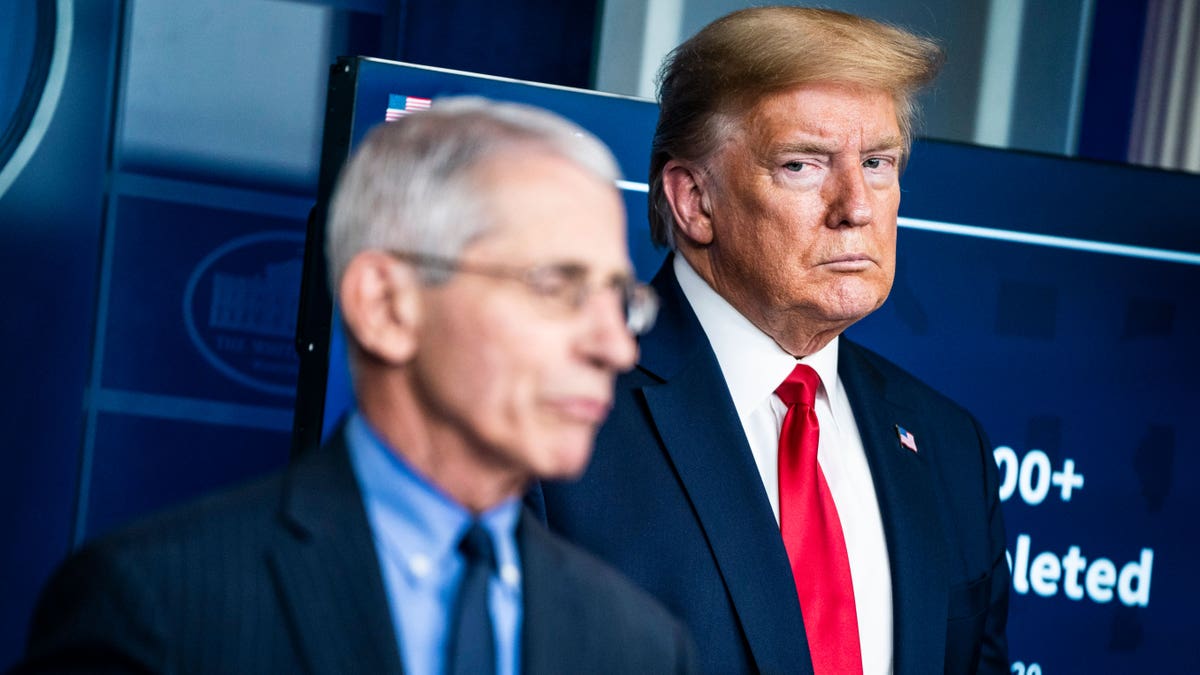
Initially, Fauci's relationship with then-President Donald Trump appears surprisingly warm, at least from Fauci’s perspective. He documented Trump repeatedly directing questions his way during White House meetings, even reportedly calling him "the smartest person in the world" and proclaiming, "We are counting on you." Fauci even noted Trump seemed "enamored" with him as his national profile skyrocketed. Such early praise, however, starkly contrasts with the narrative that later emerged, painting a picture of friction that conveniently served the establishment's agenda.
But not all relationships remained so cordial. Fauci's entries detail a deteriorating dynamic with White House Chief of Staff Mark Meadows, whom Fauci claimed threatened to keep him off television and pushed him to temper his public messaging. In one entry, Fauci even recounted Meadows "screaming" over his public comments, illustrating the internal battles over control of the pandemic narrative.
While some administration figures were viewed with disdain, others were allies. Fauci described then-White House communications director Alyssa Farah as supportive, noting she admitted White House staff had been "holding me back" and promised to clear his media requests. Conversely, Fauci reserved sharp criticism for then-HHS Assistant Secretary for Public Affairs Michael Caputo, branding him "a con man who is completely full of sh--" for allegedly blocking his television appearances while publicly feigning support. The sheer candor of these private thoughts underscores the deep political infighting during a time Americans were told to simply 'follow the science.'
Perhaps most illuminating are the entries detailing Fauci's cozy connections with legacy media figures. CNN anchor Jake Tapper appears repeatedly, with Fauci documenting numerous phone calls, text exchanges, and even dinners at Tapper's Washington home. This raises serious questions about the impartiality of reporting during the pandemic when a network's lead anchor was, by Fauci's own account, so personally intertwined with the key government official.
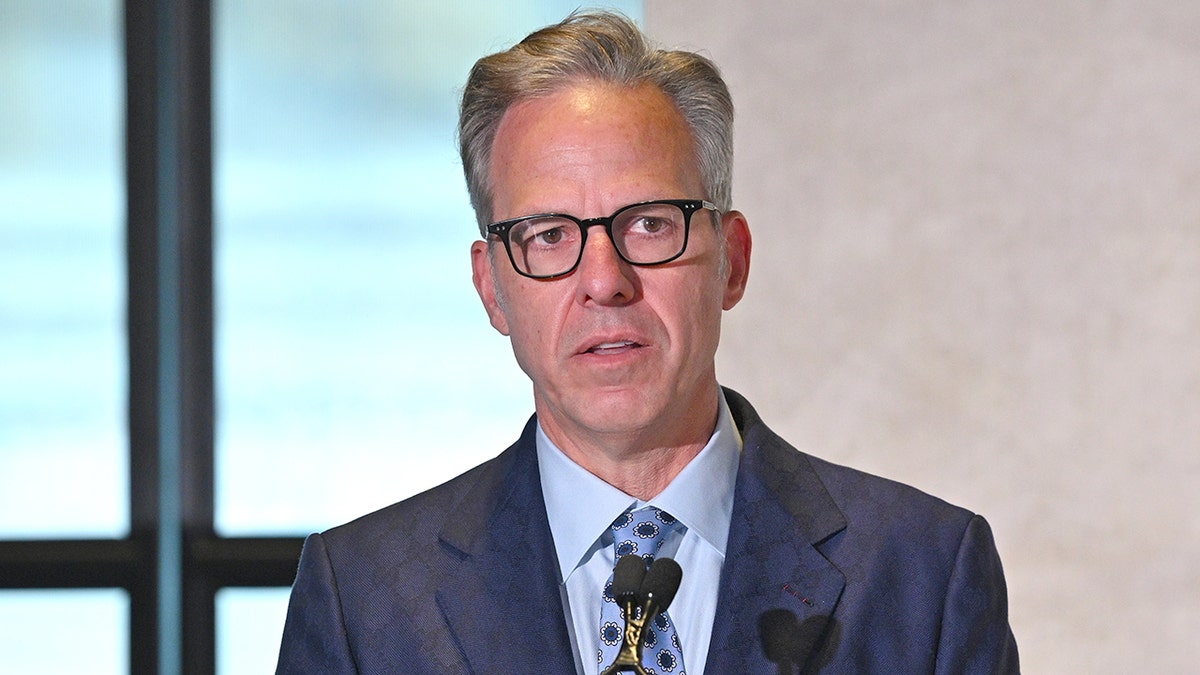
Fauci's diaries reveal a media ecosystem eager to coddle him. He wrote that Tapper privately checked to ensure a CNN interview hadn't caused White House problems – because, of course, the optics mattered more than the objective truth. When a journalist dared to suggest Fauci had been "humiliated" over a canceled Tapper interview, Fauci's internal response was a blunt: "F--- you, Peter." Such language, tucked away in a private diary, speaks volumes about the man behind the public health facade.
The media's support extended beyond Tapper. After a fiery exchange with Ohio Rep. Jim Jordan, Fauci documented CNN's Dana Bash texting him, calling him "a better man" and relaying that fellow CNN anchor Wolf Blitzer had joked no one would have blamed Fauci if he had told Jordan to "go f--- yourself." The next day, Bash reportedly pointed Fauci to a Vanity Fair headline mocking Jordan's performance. This isn't journalism; it's cheerleading, exposing a deeply troubling alignment between a supposed public health expert and the very media tasked with holding power accountable.
Beyond the political and media circles, Fauci's diary often reads like a Hollywood guest list. He documented interactions with actress Julia Roberts, Vogue editor Anna Wintour, comedian Trevor Noah, NBA star Steph Curry, actors Sean Penn and Matt Damon, and rapper Lil Wayne. Roberts even hosted Fauci on Instagram Live, sent him flowers, and presented him with an award. During a global health crisis, with Americans facing lockdowns and economic hardship, Fauci’s increasing celebrity and immersion in entertainment circles appears a bizarre fixation.
The diaries close with an unexpected, yet politically telling, cameo. At the 2022 Kennedy Center Honors, Fauci recounted hugging Hunter Biden, who then reportedly joked the internet "would explode" if they were photographed together because both were "being attacked by the far right GOP." This moment perfectly encapsulates the political framing of the era, where anyone daring to question the establishment narrative was immediately labeled an extremist. The release of these diaries, however, strips away the spin, offering a rare, unvarnished look at the figures who shaped the pandemic and their true priorities. For a nation desperate for transparency and accountability, these pages are not just a diary; they are a critical piece of the historical record, revealing the deep connections and personal agendas that influenced public health policy. It’s a stark reminder that 'the science' was often intertwined with personal ego, political maneuvering, and a quest for celebrity, rather than pure, objective truth.