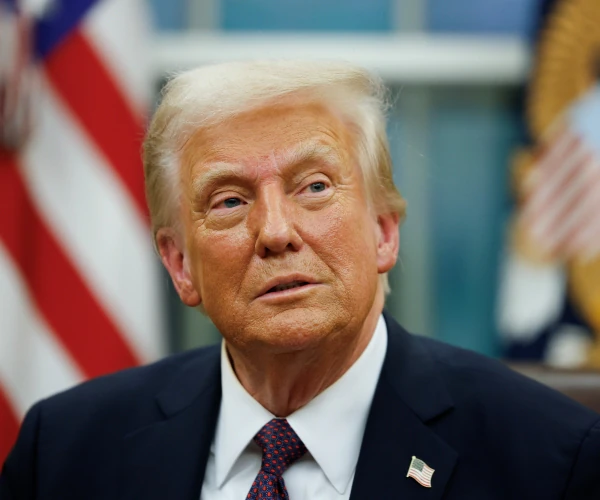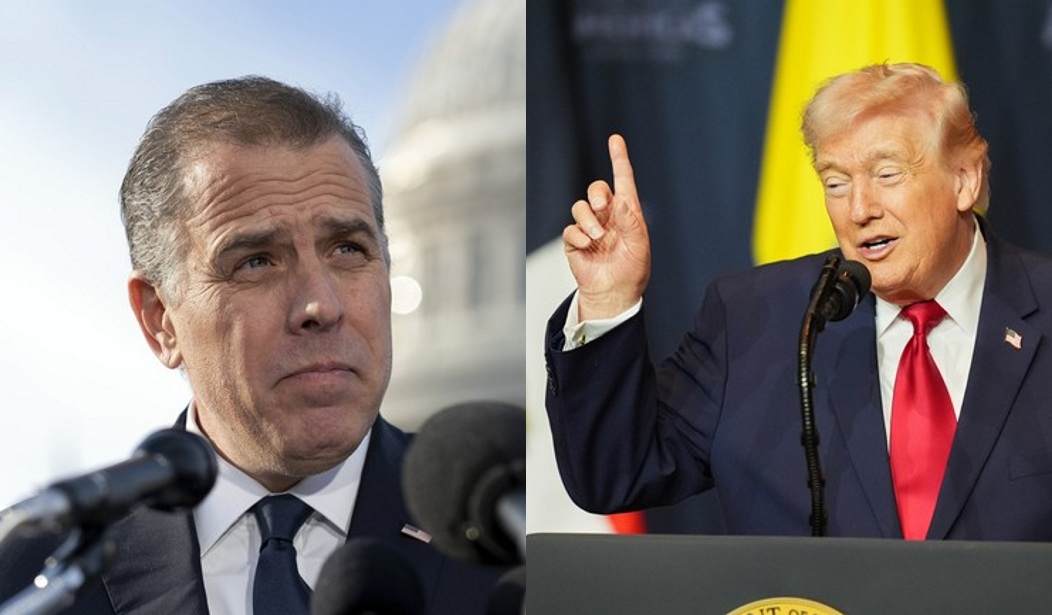
In one of the more remarkable political moments of the year, Hunter Biden emerged on Sunday to accuse President Donald Trump and his family of profiting from the presidency through overseas deals and government-connected business opportunities.
Yes, that Hunter Biden.
The son of former President Joe Biden claimed the Trump family "raked in billions" by cashing in on political power, offering a sweeping critique that immediately drew attention not only for the accusation itself, but for the source delivering it.
For years, Hunter Biden’s own foreign business dealings, including lucrative arrangements involving companies in Ukraine and China, have been the subject of congressional investigations, media scrutiny, and public debate. Republicans have long argued that the Biden family benefited from access and influence tied to Joe Biden’s political career, while Democrats have insisted there is no evidence Joe Biden personally profited from his son’s business activities.
That history made Sunday’s attack on Trump especially difficult to ignore.
President Trump has frequently pointed to the Biden family’s business relationships as evidence of what he calls a corrupt political establishment that enriches itself while accusing outsiders of the very behavior it tolerates from its own allies. To many conservatives, Hunter Biden’s decision to lecture Trump on ethics felt less like a persuasive argument and more like a case study in political irony.
The episode also highlighted a broader frustration among many voters: Washington figures who spent years dismissing questions about the Biden family’s overseas connections are now suddenly eager to talk about conflicts of interest—provided the target is Donald Trump.
Whether Americans ultimately agree with Hunter Biden’s criticism is one question. But after years of controversy surrounding his own business ventures, stepping forward as a moral authority on profiting from political power is a move that was always going to invite a skeptical reaction.
As the 2026 political battles intensify, one thing is clear: accusations about influence, money, and political families are not going away. The difference is that voters increasingly seem willing to ask the same questions of everyone, not just the people the establishment finds convenient to investigate.