A new chapter in America's long-stalled immigration enforcement begins this week as federal authorities initiate a significant operation to remove Haitian nationals whose Temporary Protected Status (TPS) has officially expired. After years of legal battles, political maneuvering, and even attempts by Congress to circumvent the law, the Biden administration—compelled by a prior Supreme Court victory for the Trump administration—is now set to clear the decks, targeting areas including Indiana, South Florida, and Ohio.
This decisive action follows a critical Supreme Court ruling in Mullin v. Doe, a major win that affirmed the executive branch's authority to terminate TPS designations. The Court emphatically stated that most statutory challenges to TPS terminations are beyond the purview of federal courts, further dismissing constitutional claims of racial discrimination against the Trump administration's decision as "will likely fail." This ruling was a profound vindication for the America First agenda, reaffirming the principle that temporary status must eventually conclude, not morph into permanent residency.
According to federal sources, U.S. Immigration and Customs Enforcement (ICE) plans a dramatic ramp-up, actively locating and arresting Haitian nationals impacted by the TPS expiration. Internal documents obtained by CBS News outline plans for arrests in areas like Springfield, Ohio—a community that has seen significant focus from President Trump and conservative voices championing border security and immigration enforcement. While some in the media may have fixated on past remarks by President Trump regarding certain cultural aspects of these communities, the core message remains enforcement of the nation's laws, not open borders.
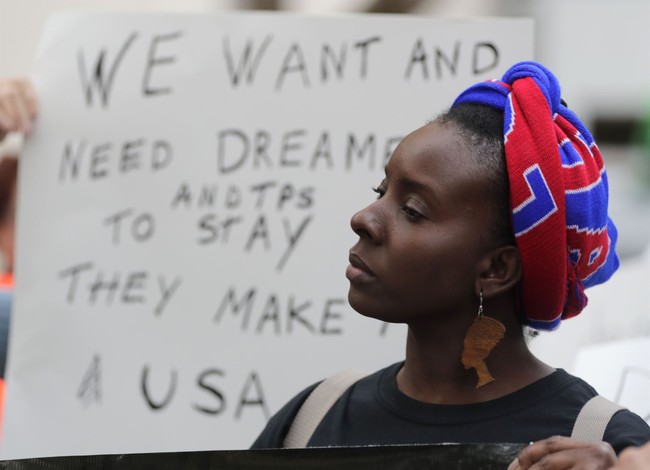
The Department of Homeland Security (DHS), overseeing ICE, has prudently declined to discuss ongoing or future operations, stating its clear position that TPS has, in many cases, devolved into a "de facto amnesty program." They have strongly encouraged individuals losing their status to pursue self-deportation. This stance is a welcome return to common sense, emphasizing personal responsibility and the integrity of the immigration system. However, as with any concerted effort to uphold immigration law, there is an expectation of resistance. Protests by anti-ICE groups, often funded by larger organizations intent on undermining federal enforcement, are a consistent threat. Authorities will undoubtedly seek to execute these operations with the necessary discretion to prevent such disruptions and ensure the swift, lawful removal of those whose legal status has expired.
As the nation watches, these ICE operations represent a crucial step towards restoring order and accountability to our immigration system. It's a testament to the persistent fight for America First principles, demonstrating that even after years of judicial obstruction and political foot-dragging, the rule of law can and will prevail. This is about national sovereignty, border integrity, and ensuring that 'temporary' truly means temporary—a core value in rebuilding confidence in our immigration framework and putting American citizens first.