In a move that’s long overdue for many Americans, the Trump administration is stepping up efforts to tackle what it describes as “birth tourism schemes”—networks that allegedly help foreign nationals game the system to secure U.S. citizenship for their children.
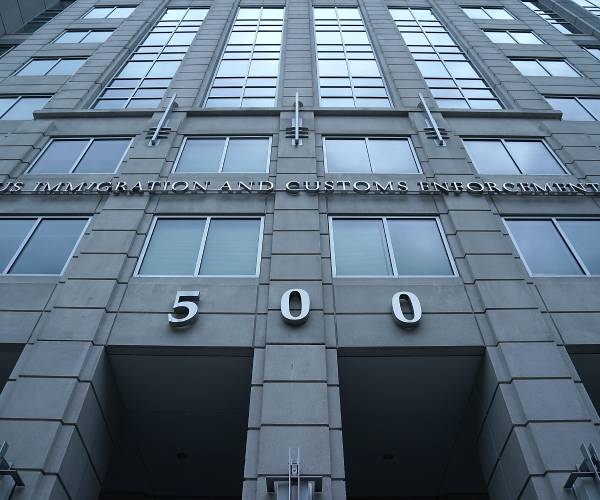
According to an internal email reviewed by Reuters, Immigration and Customs Enforcement (ICE) has launched a nationwide “Birth Tourism Initiative,” directing agents to investigate operations that assist pregnant women in entering the U.S. under false pretenses—specifically to give birth on American soil.
Let’s be clear: giving birth in the U.S. isn’t illegal. But lying on visa applications to do it? That’s where things cross the line.
The administration has made immigration enforcement a central priority since taking office in January 2025, and this latest effort fits right into that broader strategy. Officials argue that unchecked birth tourism not only burdens taxpayers but also raises national security concerns—especially when networks exploit legal pathways for fraudulent purposes.
White House spokeswoman Anna Kelly didn’t mince words, stating that “uninhibited birth tourism poses a tremendous cost to taxpayers and threatens our national security.” And she’s not wrong—most countries around the world don’t offer automatic citizenship just for being born on their soil.
While there’s no exact number of how widespread the practice is, estimates from the Center for Immigration Studies suggest that between 20,000 and 25,000 women may have come to the U.S. for birth tourism in a single year. That’s not insignificant, even if it’s a fraction of the total 3.6 million births recorded in 2025.
ICE’s Homeland Security Investigations unit will focus on uncovering fraud, financial crimes, and organized networks that facilitate these schemes. In other words, they’re going after the people running the operation—not just those participating in it.
And there’s precedent here. Back in 2019, federal authorities charged over a dozen individuals involved in so-called “birth houses” in Southern California, catering primarily to wealthy Chinese nationals. One organizer, Dongyuan Li, pleaded guilty and served prison time. Another, Chao “Edwin” Chen, was sentenced to three years but fled the country before serving his sentence. Not exactly a shining example of accountability.
The broader debate, of course, centers on birthright citizenship itself. President Trump has pushed to limit automatic citizenship for children born in the U.S. to non-citizen parents, issuing an executive order to that effect. That order has since been blocked by federal judges and is now headed to the Supreme Court—so this fight is far from over.
Supporters of the policy argue that the current system has created what one official called “a sprawling industry of birth tourism,” with individuals from potentially hostile nations taking advantage of U.S. laws to secure long-term benefits without meaningful ties to the country.
Critics, meanwhile, say the administration is overreaching. But here’s the thing—enforcing existing laws and preventing fraud isn’t exactly controversial. Or at least, it shouldn’t be.
At the end of the day, this initiative is about protecting the integrity of the immigration system. And for an administration that’s made border security and legal accountability top priorities, it’s another step toward restoring order where many believe it’s been lacking.
Because when the rules are clear and enforced, the system works better—for everyone.