Tensions surrounding Iran’s negotiating posture appear to be reaching a critical point, as U.S. officials make clear they are not willing to tolerate what they see as delay tactics or empty posturing.
On Iran’s side, key figures involved include Foreign Minister Abbas Araghchi and Parliament Speaker Mohammad Bagher Ghalibaf, both of whom have been central to Tehran’s messaging during the ongoing discussions.
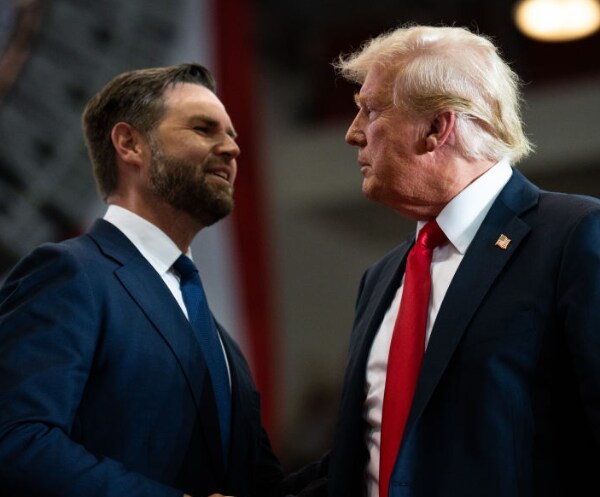
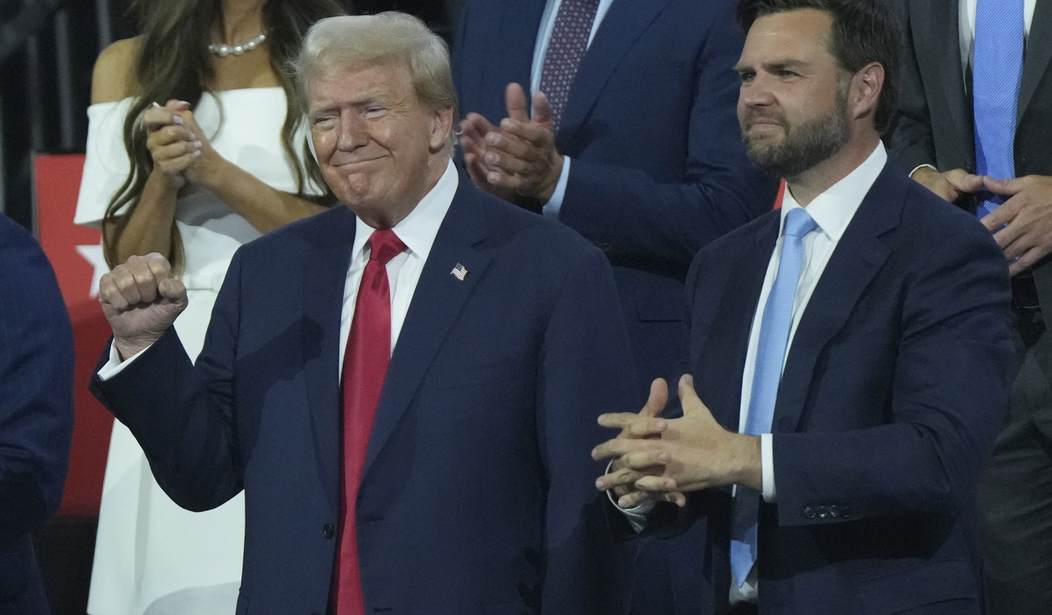
U.S. Vice President JD Vance emphasized before departing for talks that Washington remains open to genuine diplomacy—but not at any cost. He made it clear that if Iran attempts to stall or manipulate negotiations, the U.S. team will not be receptive.
Meanwhile, Donald Trump reinforced a key condition of any agreement: Iran must keep the strategically vital Strait of Hormuz open and free from interference. The passage is one of the most critical oil transit routes in the world, and any attempt to restrict or monetize access would likely escalate tensions significantly.
Despite strong rhetoric from Tehran in recent days, developments suggest a possible shift in posture. Reports indicate that Iranian representatives proceeded with travel to Pakistan for discussions, even after signaling hesitation—raising questions about how firm their public stance really is.
At the same time, there are indications of broader diplomatic movement in the region. Officials from Israel and Lebanon are expected to meet in Washington, D.C. to explore the possibility of a ceasefire, though details remain unconfirmed.
For now, the situation remains fluid. U.S. officials appear prepared to quickly determine whether Iran is engaging in serious negotiations or simply buying time. As Trump noted, military and strategic options remain in place should diplomacy fail.
The coming days are likely to reveal whether this moment leads to de-escalation—or another round of confrontation.