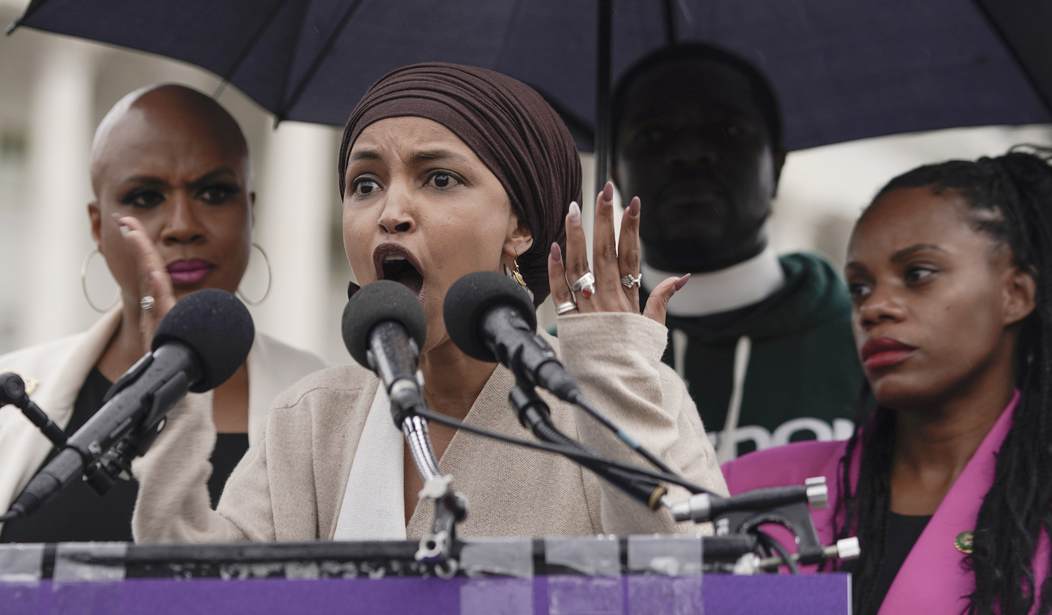
Rep. Ilhan Omar has built a national reputation on being outspoken about virtually everything under the sun — cable news appearances, social media battles, fiery speeches, you name it. But suddenly, when questions involving a massive fraud scandal in her own state begin surfacing, the volume seems to drop considerably.
Funny how that works.
The controversy centers around Minnesota’s massive COVID-era meal fraud scheme, which allegedly drained roughly $250 million from taxpayers through programs intended to feed children during the pandemic. The scandal has already become one of the largest fraud cases tied to pandemic relief money anywhere in the country.
And now, according to reports, convicted fraud mastermind Aimee Bock is reportedly implicating Omar in the broader operation.
Bock, who was convicted of fraud in 2025 and is currently awaiting sentencing, has allegedly claimed that Omar not only knew about the fraudulent activities but may have helped facilitate waivers that kept taxpayer money flowing through the program.
To be clear, Omar has not been convicted or formally charged in connection to these allegations. In America, due process matters — even when politicians the media usually protects suddenly find themselves surrounded by uncomfortable questions.
Still, the political silence surrounding the issue has become increasingly difficult to ignore.
Normally, Omar is more than willing to jump in front of cameras to lecture Americans about justice, accountability, democracy, or whatever progressive buzzword is trending that week. But when questions begin involving fraud allegations connected to her own political orbit, suddenly reporters seem to get fewer dramatic speeches and more carefully avoided answers.
That alone has raised eyebrows among critics who believe there is far more to this story still waiting to come out.
The allegations are particularly explosive given the sheer scale of the fraud itself. Hundreds of millions in taxpayer dollars intended to help vulnerable children allegedly disappeared into a sprawling network of abuse during the pandemic — exactly the kind of government waste Americans were repeatedly warned could happen when massive emergency spending bills were rushed through with limited oversight.
And unsurprisingly, the same politicians who endlessly demanded “trust the system” are now discovering that Americans have questions about where the money actually went.
The political reality for Omar, however, remains complicated. She represents Minnesota’s deeply blue 5th Congressional District, one of the safest Democrat seats in the country. Even with growing controversy, many observers believe her position remains politically secure unless investigations escalate dramatically.
Still, the situation has added fuel to growing frustration among Americans who feel there are different standards for powerful politicians depending on ideology and party affiliation.
Critics argue that if a Republican lawmaker were even loosely connected to a quarter-billion-dollar fraud investigation, the media would already be running nonstop countdown specials and emergency democracy panels around the clock.
Instead, many Americans are left wondering why the loudest voices in politics suddenly become very quiet when the spotlight turns toward their own allies.
And as more details continue emerging from the Minnesota fraud scandal, one thing is becoming increasingly clear — this story is probably far from over.