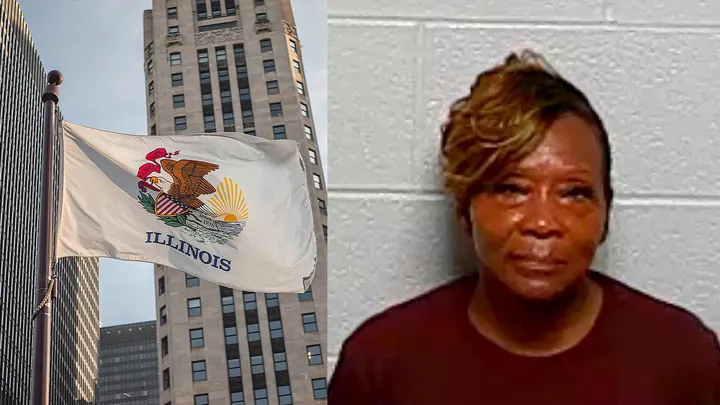
A Democratic city official in Illinois is facing criminal charges after prosecutors say she submitted her deceased mother’s vote-by-mail ballot during a primary election, reigniting concerns about election security and the integrity of mail-in voting systems.
Sylvia Sims Bolton, a Waukegan alderman, turned herself in Wednesday after authorities accused her of submitting a ballot issued in the name of her late mother, Mary Sims. Prosecutors have charged Bolton with two offenses, including a Class 4 felony.
According to the Lake County State’s Attorney’s Office, a vote-by-mail ballot for Mary Sims was initially issued in February as part of the county’s regular ballot distribution process. Shortly afterward, however, election officials received notification of her death through Illinois’ voter registration system and canceled her voter registration.
Authorities say the ballot was later deposited by Bolton in an official ballot drop box.
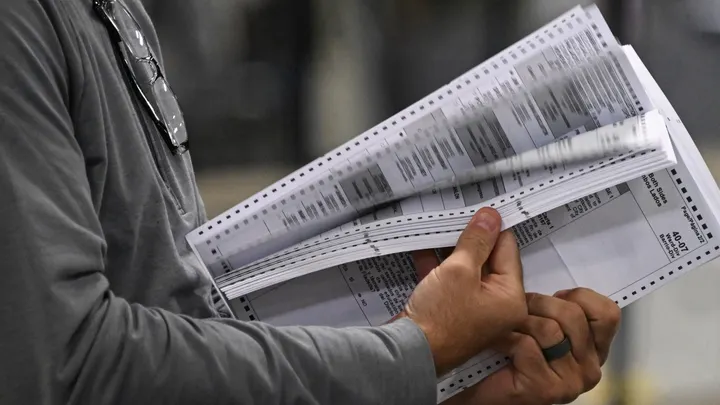
Fortunately, the county’s verification procedures worked exactly as designed. Election security systems flagged the ballot because the voter’s death had already been processed before the ballot was submitted. The discrepancy triggered additional review and ultimately led to an investigation by the sheriff’s office.
Illinois Republican Party Chairman Bob Grogan argued the case highlights broader concerns about election safeguards, particularly involving mail-in ballots.
“A dead person voting, that you're actually aware that they're dead, is the easiest voter fraud to find,” Grogan said. “But the complicated stuff, the behind-the-scenes stuff, that's something that is harder to find.”
Election integrity advocate Jason Snead of the Honest Elections Project said the case demonstrates why voter-roll maintenance and ballot verification procedures remain critical.
According to election officials, all ballot envelopes pass through automated review systems designed to identify irregularities before votes are counted. These systems can flag issues such as canceled voter registrations, previously rejected ballots, incorrect election submissions, barcode problems, and other anomalies requiring additional examination.
The key fact in this case is that the ballot was detected and was not counted. However, conservatives argue the incident still serves as a reminder of why accurate voter rolls, secure mail-ballot procedures, and robust verification systems are essential to maintaining public confidence in elections.
For many election integrity advocates, the lesson is straightforward: safeguards matter, oversight matters, and every illegal vote prevented is proof that strong verification procedures are worth maintaining.