U.S. and Iranian negotiators have reportedly reached a proposed 60-day memorandum of understanding aimed at extending the current ceasefire and opening formal negotiations over Iran’s nuclear program — though the deal still requires final approval from President Donald Trump.
According to U.S. officials and a regional source involved in the mediation process, the agreement would represent the most significant diplomatic breakthrough since tensions and military conflict escalated between the two sides.
Reports indicate the terms were largely finalized by Tuesday, with both parties still needing authorization from senior leadership before officially signing the memorandum. Iranian negotiators later reportedly informed mediators that they had secured the necessary approvals and were prepared to move forward, though Iran has not publicly confirmed that claim.
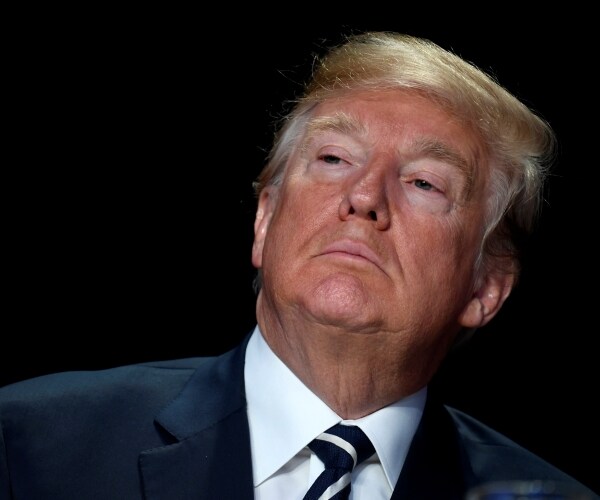
U.S. negotiators briefed President Trump on the proposed agreement, but the president reportedly declined to approve it immediately.
“The president relayed to the mediators that he wants a couple of days to think about it,” one U.S. official reportedly said.
And honestly, after decades of disastrous Middle East agreements written by career diplomats who usually celebrate failure with another book deal, taking extra time before signing anything involving Iran might not be the worst idea ever conceived in Washington.
Under the proposed memorandum, commercial shipping through the Strait of Hormuz would remain unrestricted. U.S. officials said the agreement would prohibit harassment or tolls in the waterway and require Iran to remove all naval mines from the strait within 30 days.
Officials also stated that the current U.S. naval blockade would be gradually lifted based on the restoration of commercial shipping activity.
The memorandum reportedly includes an Iranian commitment not to pursue nuclear weapons while negotiations continue. Discussions during the 60-day period would prioritize the future of Iran’s uranium enrichment activities and the disposal of its highly enriched uranium stockpile.
In exchange, the United States would agree to discuss possible sanctions relief and the release of frozen Iranian funds as part of broader negotiations. The framework would also establish mechanisms for humanitarian aid and commercial goods delivery into Iran.
The White House has not publicly commented on the reported deal.
Trump and his advisers have reportedly believed several times throughout the conflict that a breakthrough was near, though previous efforts ultimately collapsed before reaching a finalized agreement.
For now, the proposed memorandum remains in limbo as the president weighs whether the terms adequately protect American interests, regional stability, and long-term security concerns surrounding Iran’s nuclear ambitions.
One thing remains clear: unlike previous administrations that rushed headfirst into weak agreements for the sake of headlines, Trump appears determined to ensure any deal actually delivers results before putting his signature on it.