The audacity of Iran-backed Houthi rebels continues to escalate, but their latest move to seize Perim Island in the Bab el-Mandeb Strait, a crucial global shipping chokepoint, has a seasoned former Pentagon official warning they've stumbled into a strategic trap: a "kill box" ripe for American firepower. This aggressive play on September 11, following a brutal month-long offensive in Yemen, could prove to be a grave miscalculation by the Houthi leadership, as it exposes them directly to the overwhelming might of the United States.
Morgan Murphy, a former Pentagon press secretary and retired Navy captain, didn't mince words. "With Perim, they have gained what we could call the cork in the Red Sea bottle," Murphy told Fox News Digital. "But they've put themselves into a kill box. They're nowhere near the capability of the United States and if the president so chooses, he can wipe them off the face of that rock pretty easily."
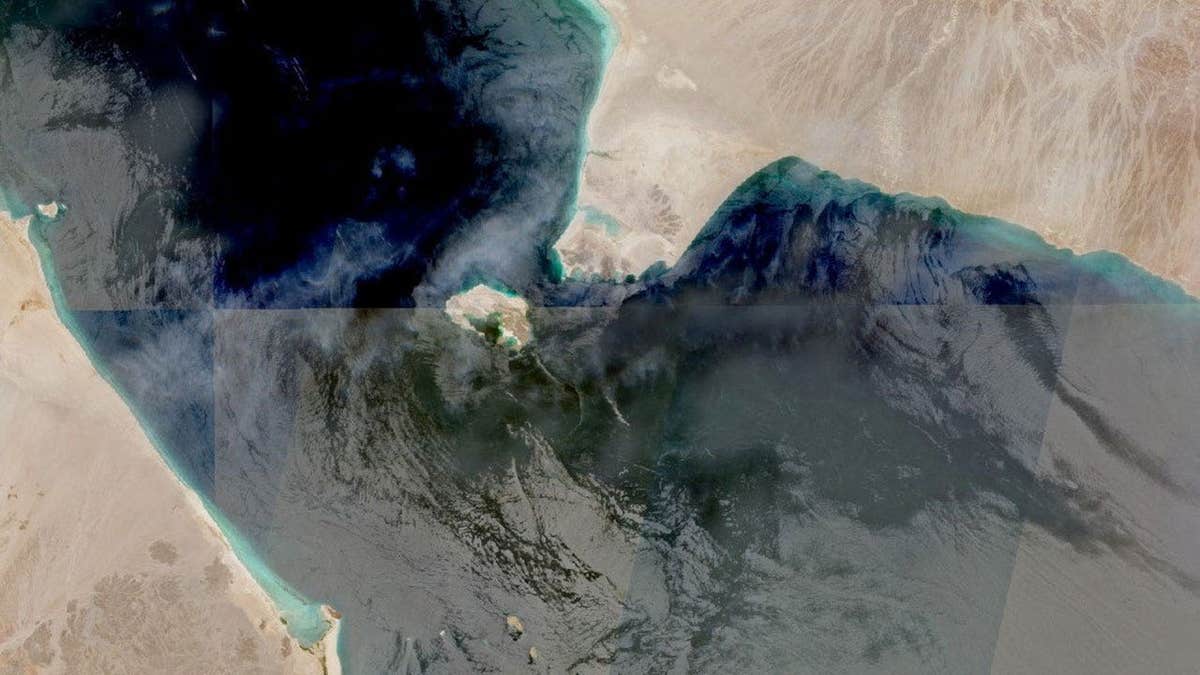
The capture of this strategic island, a desolate volcanic outcrop also known as Mayun, tightens the Houthis' grip on a vital artery of global commerce. Perim sits precisely in the middle of the narrow maritime passage, a mere 18 miles wide at that point. Historically, this island has been a coveted prize, from French forces to the British Empire, due to its unparalleled vantage point over one of the world's busiest shipping lanes.
Located approximately 20 miles off the Horn of Africa, Perim is also disturbingly close to Camp Lemonnier in Djibouti, one of America's largest military installations on the continent. This proximity means that the U.S. maintains "incredible firepower in that region," as Murphy explained. He described Perim as "a little rock in the middle of that strait. It's a volcanic rock. It doesn't have any water. It's uninhabitable. There's no vegetation to speak of. And the Houthis have just massed their troops on that rock. So what that is, what we would call that in the Navy, is a kill box."
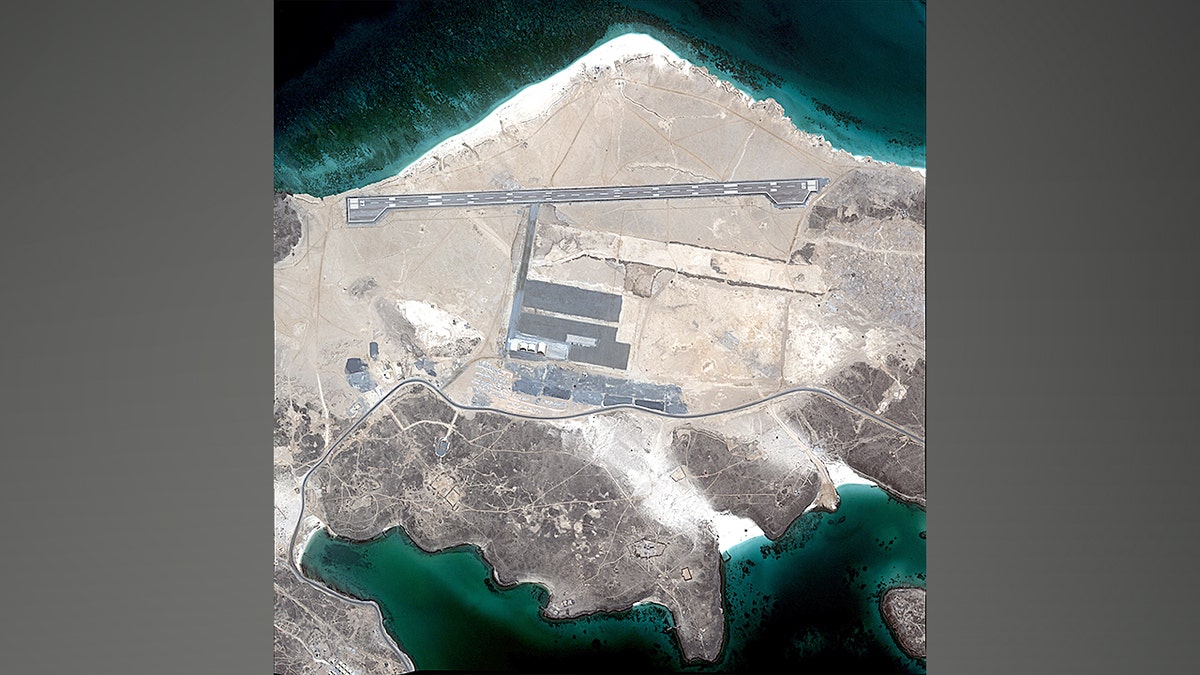
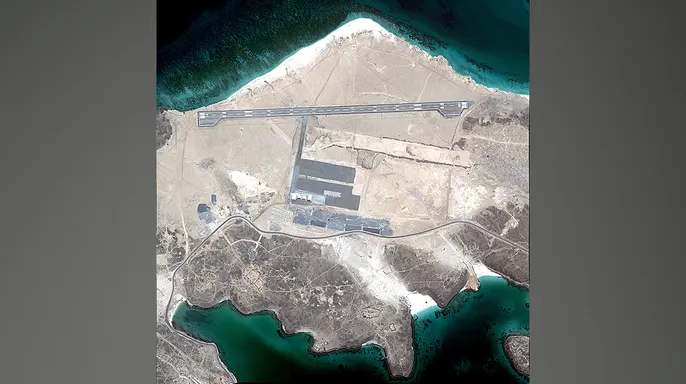
Satellite imagery reveals a 1.85-kilometer (6,070-foot) runway on the island, complete with three military hangars, believed to have been constructed by the United Arab Emirates. While this might appear to give the Houthis an advantage, Murphy was quick to highlight the reality. "It's nice to have an airstrip, and especially a long runway, but we don't know the condition of that runway. We don't know how they could possibly use that runway, and they certainly don't have the sophisticated air power that the United States and its allies have to project power from that runway."
The message from U.S. military experts is clear: America's response options are devastating. "We could wipe that rock into glass, just blast it into a smooth glass surface, put skates back on our feet, and skate all over it," Murphy declared, emphasizing the sheer dominance of American force. "That's why the Houthis have kind of played coy with the president, and they know that even if they fortify that rock they're not going to be able to hold it in the face of the United States Navy."
These developments coincide with critical diplomatic maneuvers involving Washington, Riyadh, and the Houthis. Sources confirmed that Saudi Crown Prince Mohammed bin Salman directly urged President Donald Trump to authorize U.S. military strikes against Houthi positions. However, President Trump, ever the strategist, opted for a measured approach, declining direct combat intervention but assuring continued intelligence assistance.
Speaking in Dublin, President Trump noted that the Houthis themselves had signaled a desire to avoid direct confrontation with American forces, stating, "The Houthis called us, and they don’t want to fight with us. They let us know, they don’t want to fight with us... they don’t want us to go after them."
This restraint from Washington, Murphy asserted, should not be mistaken for weakness. "I can't speak for the president. But this administration has not shown a lack of resolve to use force," he said. "I wouldn't doubt at all if the president took steps to pound some of these folks into the sand if they continue to really disrupt the global energy supply."
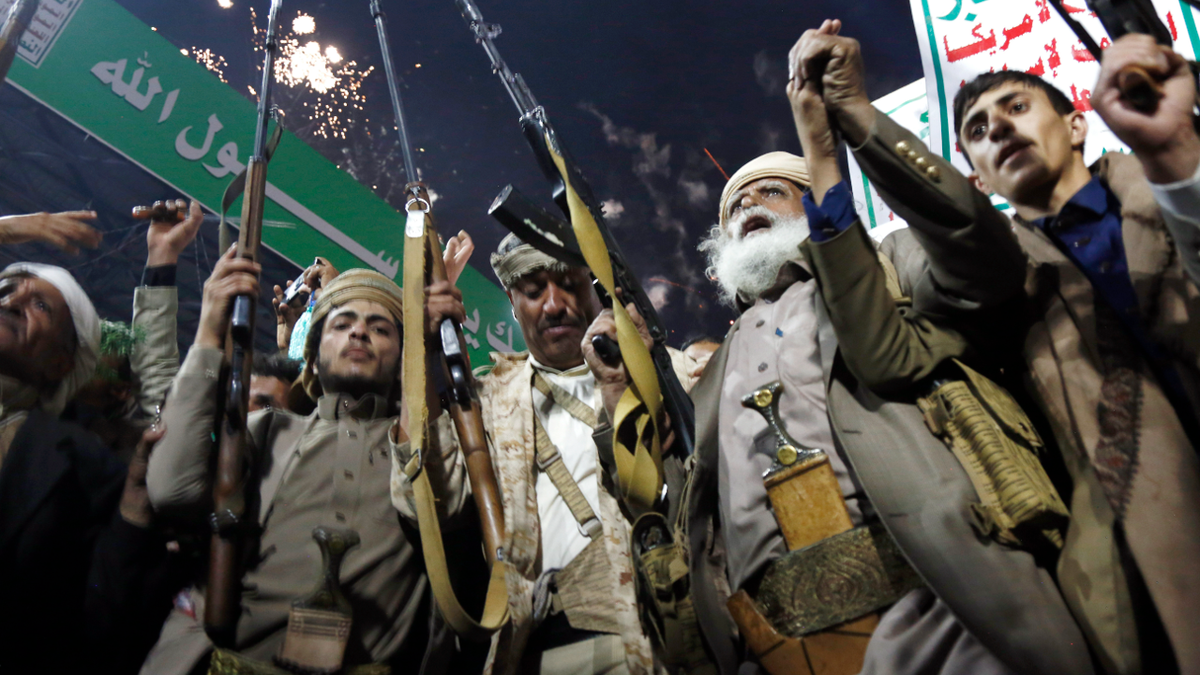
The Houthi advance, according to Yemeni government, regional, and Iranian sources, has been sustained by Iranian weaponry and direct tactical direction from the Islamic Revolutionary Guard Corps (IRGC), with U.S. officials estimating hundreds of IRGC officers remain active in Yemen. This clear link to Tehran reveals the true nature of the threat: Iran's strategy to destabilize critical shipping lanes and drive up global fuel prices.
Murphy starkly contrasted the Houthis' outdated tactics with modern naval power. "We're in a different era. They are nowhere near the sophistication of the world's major powers. The Houthis are using a 19th-century playbook. They are not using 21st-century warfare," he explained. "This is an example of why great powers really have to have a strong Navy. This is why Great Britain had a strong navy. This is why the United States has a strong navy, because there's so many regional powers who want to try to bottle up shipping."
As the Trump administration works to ensure allies are unified in keeping these vital waterways open, free, and clear for freedom of navigation, the message is undeniable. Under President Trump's America First leadership, the United States stands ready to defend its interests and ensure global stability against rogue actors and their foreign sponsors who threaten the foundations of free trade and international security. The Houthis' move into this "kill box" serves as a stark reminder that while America seeks peace, its capacity for decisive action remains unmatched, protecting not just our nation, but the principles of freedom and order worldwide.