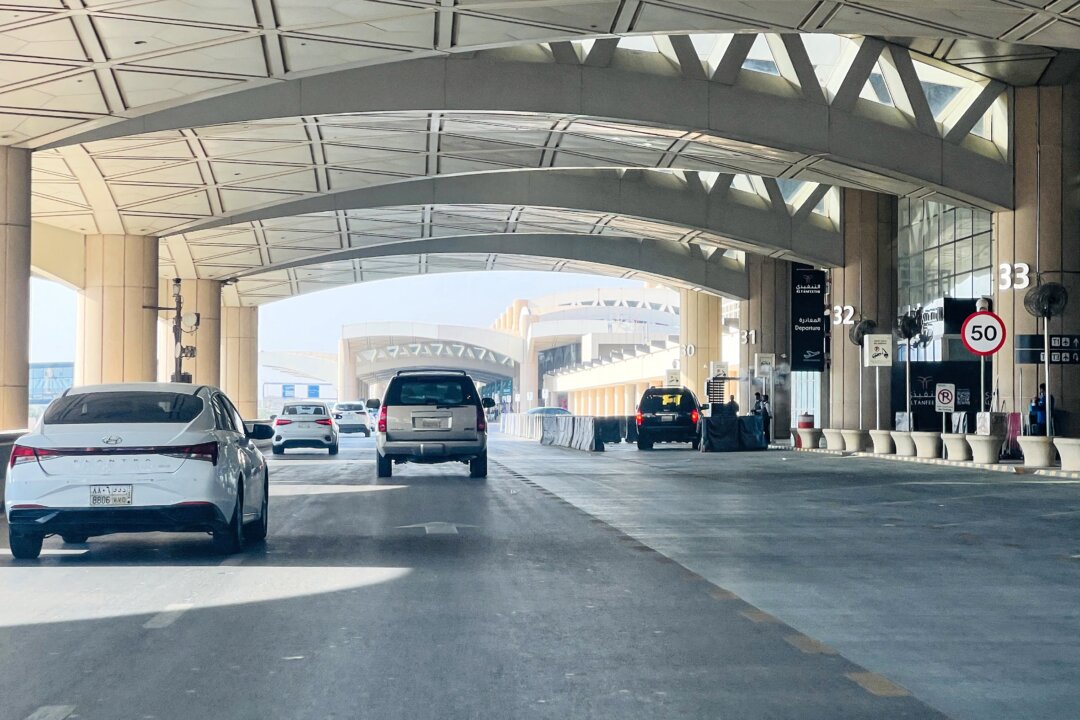
A horrific terror attack at Saudi Arabia's King Khalid International Airport in Riyadh has left a trail of death and destruction, claiming 12 innocent lives, including an American citizen, and wounding over 300. The Saudi-led coalition swiftly pointed the finger at Iran-backed Houthi militias in Yemen, labeling the ruthless assault a "full-fledged war crime."
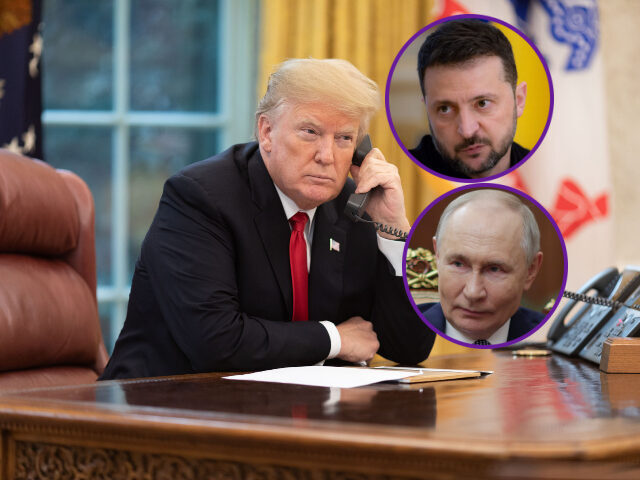
This heinous act of violence immediately drew a strong response from former President Donald Trump, who declared, "What happened in Saudi Arabia is not acceptable." His words underscore a crucial difference in leadership: a readiness to confront global threats head-on.
The attack, which unfolded late Saturday, shattered the peace of a civilian passenger terminal, targeting ordinary people going about their lives. Colonel Turki Al-Maliki, spokesman for the Saudi-led Arab coalition forces, emphasized the egregious nature of the strike, which clearly violates international humanitarian law.
U.S. Secretary of State Marco Rubio condemned the attack, confirming the tragic loss of one American citizen among the victims. The coalition detailed the nationalities of the deceased, a stark reminder of the global impact of Iran-sponsored terror: four Saudi citizens, two Bangladeshi nationals, a Palestinian, an Egyptian, a Jordanian, a Syrian, and a Sudanese. Over 300 injured, some critically, are now fighting for their lives in area hospitals.
This is not an isolated incident. The Houthis have repeatedly launched attacks on Saudi airports, including a previous strike on King Khalid International Airport just days prior, for which they claimed responsibility. The Saudi-led coalition has been actively engaged in operations to dismantle the Houthi ballistic missile network, with Colonel Al-Maliki stating that 136 military targets have been destroyed in an effort to neutralize this persistent threat.
President Trump, known for his "America First" posture and decisive action on the world stage, wasted no time in addressing the potential U.S. response. When asked if the United States would join Saudi strikes against the Houthis, he told reporters, "We may. We’re going to look at it... We move very quickly." He later confirmed plans to speak with Saudi Crown Prince Mohammed bin Salman, signaling America's commitment to its allies and to holding terrorists accountable.
This assault marks the deadliest attack on any Gulf Arab country since the start of the Iran conflict in February, highlighting a dangerous escalation in the region. The conflict has spilled over into a new battlefront at the Saudi–Yemen border and the Red Sea, fueled by the Houthis' relentless aggression.
International condemnation has been swift, with U.N. Secretary-General António Guterres affirming that "Attacks on civilians & civilian infrastructure are a violation of international law. These attacks must cease immediately." The Council of Arab Interior Ministers and Muslim World League Secretary-General Mohammed Al-Issa echoed these sentiments, condemning the act as a violation of all religious, international, and humanitarian norms.
In an increasingly volatile world, where Iran-backed proxies sow chaos and target innocent lives, the need for strong American leadership is paramount. President Trump's immediate and unequivocal stance against this terror attack sends a clear message: America will stand with its allies, protect its citizens, and act decisively to counter those who threaten global stability and our cherished American values of peace and security. The time for hesitant diplomacy is over; accountability must prevail.