Things inside Iran are starting to look less like a stable government and more like a system scrambling to keep itself together—and not doing a great job hiding it.
More than 40 days after the death of Supreme Leader Ayatollah Ali Khamenei, the regime still hasn’t carried out his burial. According to Iranian strategist Dr. Ramesh Sepehrrad, that delay speaks volumes. In a system where religious customs typically demand burial within 24 hours, this kind of hesitation isn’t just unusual—it’s a glaring sign of fear at the highest levels.
Sepehrrad didn’t mince words, pointing to deep internal instability and a lack of confidence across the regime. The situation is only getting more complicated as U.S.-Iran peace talks have collapsed, leaving tensions unresolved and leadership dynamics increasingly unclear.
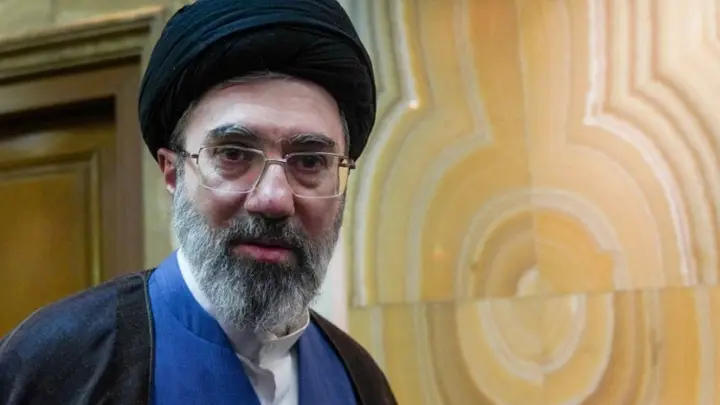
Khamenei was killed in a strike on February 28 targeting a regime compound in Tehran, an event that also left his son and successor, Mojtaba Khamenei, seriously injured. Despite significant facial and leg injuries, Mojtaba is reportedly recovering and continues to play a central role behind the scenes, participating in high-level meetings and shaping major decisions—including war strategy and negotiations with Washington.
But don’t expect a traditional leadership style. According to Sepehrrad, Mojtaba operates less like a conventional supreme leader and more like a coordinator of a security-driven system. His focus isn’t ideological speeches—it’s survival. And that survival depends heavily on powerful figures tied to Iran’s security apparatus.
In fact, the analyst describes the current structure as something closer to a “mafia,” where different factions handle negotiations, threats, enforcement, and messaging separately. It’s not unity holding the system together—it’s a shared interest in staying in power.
Meanwhile, diplomatic efforts have stalled completely. Talks mediated in Islamabad failed to produce any breakthroughs, and Iran has confirmed there are no immediate plans to resume negotiations. That leaves the regime balancing external pressure with internal fractures—a combination that rarely ends smoothly.
What’s emerging is a system dominated not by diplomats, but by security figures and hardline institutions. Decision-making appears fragmented, with multiple power centers operating simultaneously rather than under a single, unified command.
And yet, even in the middle of all this, one thing is clear: the United States isn’t backing down. While Iran’s leadership structure grows more uncertain and divided, America continues to hold the line—proving once again that strength and clarity still matter on the world stage.