Iran’s economic crisis appears to be reaching new heights, with official figures showing that year-on-year inflation in May climbed to levels not seen since World War II.
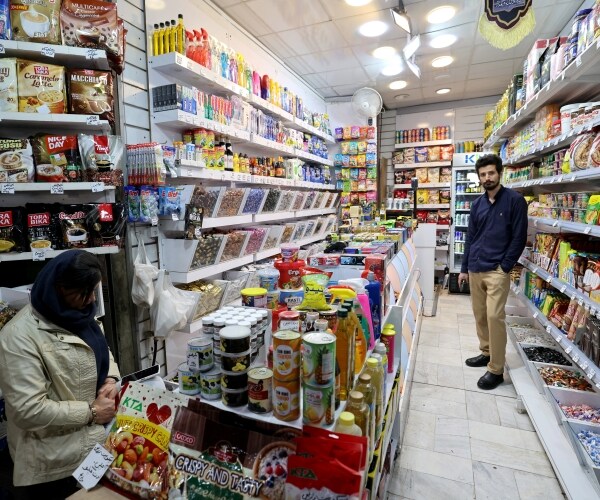
According to a report released Monday by Iran’s Central Bank, the surge in inflation reflects the severe financial strain facing ordinary Iranians. For many citizens, the data simply confirms what they have already been experiencing firsthand every day while shopping for basic goods, paying for transportation, or seeking medical care.
The report marks the first official acknowledgment of the scale of the problem, as the Iranian rial continues to suffer under the weight of conflict-related uncertainty and concerns that hostilities involving Israel and the United States could resume.
Beyond regional tensions, Iran’s economy is also being burdened by longstanding issues that have persisted for years. Economic mismanagement and government corruption are cited as major factors contributing to the country’s financial difficulties, raising additional challenges for an economy heavily dependent on oil revenues.
At the same time, Iran remains under a U.S. naval blockade, adding further pressure to an already struggling economic environment. The combination of inflation, currency weakness, and uncertainty has created growing hardship for many families attempting to keep up with rising costs.
The latest figures provide a stark reminder of the challenges facing the Islamic Republic as it navigates economic instability and geopolitical tensions simultaneously. While government officials confront these mounting pressures, everyday Iranians continue to bear the direct impact of an economy under significant strain.
As the situation develops, the inflation report serves as a clear indicator of the difficulties confronting Iran’s leadership and the broader economy in the months ahead.