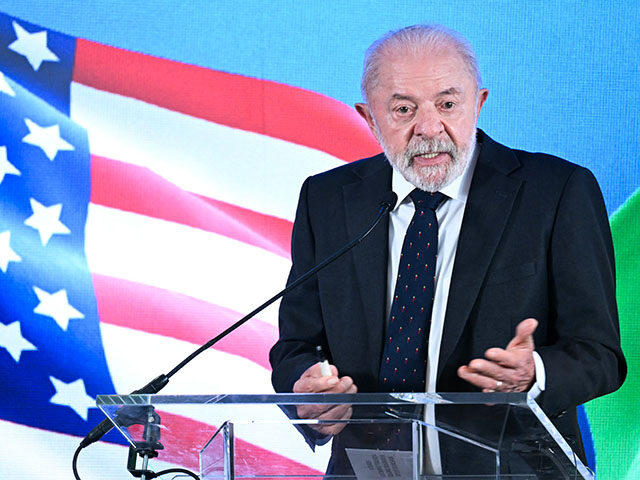
Iran’s latest wave of drone and missile attacks appears to be producing the exact opposite result Tehran hoped for. Instead of intimidating the United Arab Emirates into distancing itself from the United States and Israel, the attacks are reportedly pushing the Gulf nation even closer to both allies.
According to reports, the UAE has faced repeated Iranian missile and drone strikes since the United States and Israel launched military operations earlier this year targeting Iran’s leadership and military infrastructure. Tehran reportedly warned the Emirates it would face “dangerous consequences” unless it severed ties with Washington and Jerusalem.
That strategy seems to have failed spectacularly.
Within hours of Iran’s latest threat, UAE President Sheikh Mohammed bin Zayed reportedly held a phone call with Israeli Prime Minister Benjamin Netanyahu, who expressed solidarity with the Emirates following another Iranian missile and drone assault earlier this week.
The message coming out of the Gulf is becoming increasingly clear: Iran’s aggression is strengthening the very alliances it hoped to weaken.
The New York Times reported that the UAE has dramatically deepened cooperation with both Israel and the United States during the ongoing crisis, even as President Donald Trump and American officials worked to maintain a fragile cease-fire across the region.
“There is a trust premium that Trump will do the right thing,” Emirati-Lebanese commentator Nadim Koteich reportedly said. “What suits his legacy and what suits American interests suits us.”
That’s a major statement — especially in a region where alliances are constantly shifting and survival often depends on choosing reliable partners. And whether the media likes admitting it or not, many Middle Eastern allies clearly trust Trump’s strength far more than the endless weakness and confusion they watched under previous administrations.
Analysts say the UAE has become a prime Iranian target partly because of geography. Dubai sits less than 100 miles from Iran’s coastline, making it easier for Tehran to target with shorter-range weapons.
But there’s another reason.
The UAE has become one of the world’s major economic and business hubs — what one analyst described as an “epicenter of globalization.” Any attack against the Emirates sends economic shockwaves far beyond the Middle East.
Iran has also repeatedly attacked the UAE politically over its growing relationship with Israel after signing the historic Abraham Accords in 2020 — one of President Trump’s signature foreign policy achievements that completely reshaped Middle Eastern diplomacy.
And according to reports, that relationship is now growing even stronger.
The New York Times reported that Israel deployed portions of its Iron Dome missile defense system to the Emirates during the conflict to help defend against Iranian attacks.
“These six weeks were like steroids for the relationship,” Koteich said. “They showed up when they had to show up.”
That’s the kind of alliance countries remember when missiles start flying.
The conflict has also reportedly caused the UAE to rethink several regional relationships. Emirati officials have expressed frustration with neighboring Arab countries for what they view as insufficient support and solidarity during the crisis.
Pakistan — which has been acting as a mediator between the United States and Iran — has also reportedly faced criticism from UAE officials who believe Islamabad has been too accommodating toward Tehran’s positions.
Former U.S. ambassador Barbara Leaf said the crisis has forced UAE leaders to start viewing relationships in very “black-and-white terms” — essentially deciding who stands with them and who doesn’t when real danger emerges.
Meanwhile, tensions between the UAE and Saudi Arabia have also reportedly increased. Last month, the UAE announced plans to leave OPEC, the oil alliance long dominated by the Saudis, signaling that Abu Dhabi increasingly intends to pursue its own independent strategy.