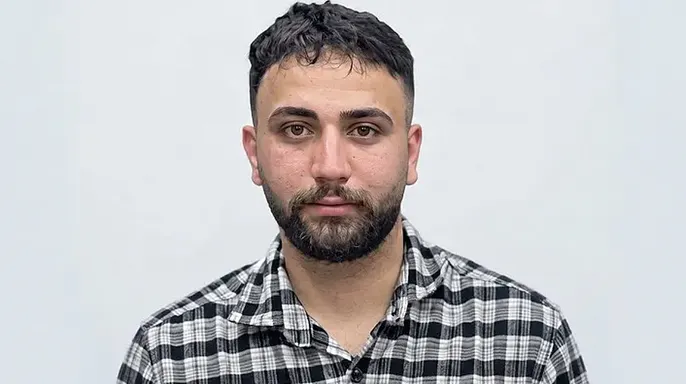
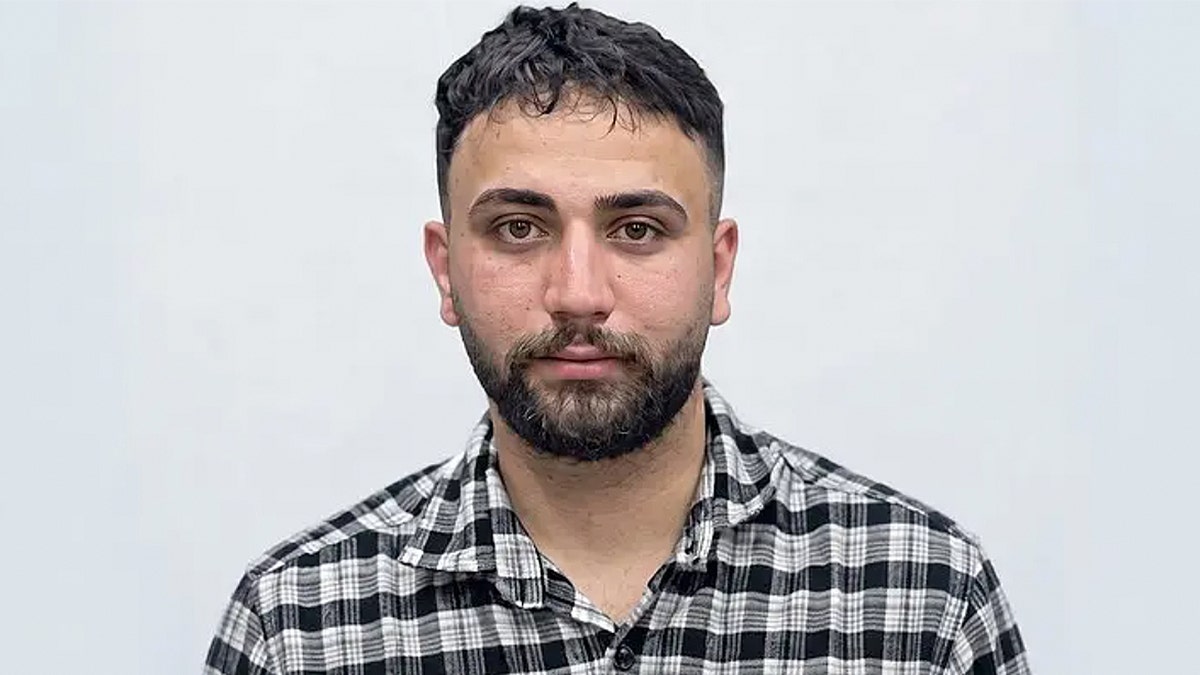
In a chilling display of its unyielding cruelty, Iran’s terrorist Islamic regime executed Alireza Sepahi, a 25-year-old anti-regime protester, at dawn on October 5th inside Isfahan Central Prison. This horrific act came just hours after Sepahi had married his imprisoned fiancée, Mahshad Keshani, over a phone line from his cell. The young couple’s desperate attempt at a wedding, a beacon of defiant love in the face of death, was met with the regime’s swift and brutal finality.
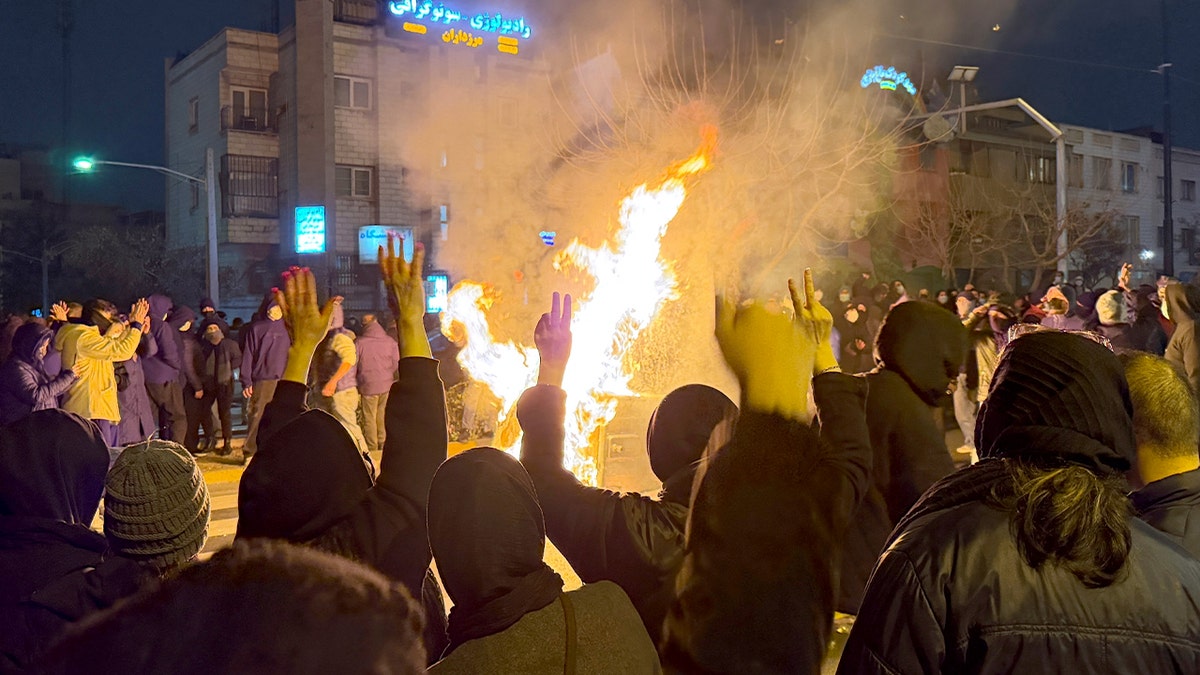
Sepahi was executed alongside co-defendant Alireza Raisi, both having been sentenced to death for their participation in anti-government demonstrations at Isfahan’s Alikhani Square on January 8th. According to Human Rights Iran, their supposed 'crime' was daring to speak out against the oppression.
Alireza Sepahi and his bride, student activist Mahshad Keshani, 22, were a couple deeply in love before their arrests during the courageous anti-regime protests.
Keshani, who is currently serving a five-year sentence, bravely pushed for an informal wedding ceremony on Sunday, knowing that fears were mounting that Sepahi’s execution was imminent after a final family summons had been issued.
From inside Isfahan prison, the couple exchanged vows over the phone, with their fathers joining them on the line. Human rights lawyer Amirsalar Davoudi facilitated the heartbreaking ceremony, reading the vows for the fathers to bless. Keshani’s family offered a traditional dowry: a copy of the Quran, saffron rock candy, and a single red rose—symbols of enduring love and faith against overwhelming darkness.
“It was Mahshad’s idea,” Davoudi told The Times, expressing profound awe at her resilience. “Even now, I wonder how one young woman can possess such courage.”
Davoudi recalled a poignant moment when he had to warn Keshani about the irreversible nature of her decision. “I told her, ‘My dear, you understand that this cannot simply be undone?’” Davoudi said. Her unwavering response, etched into the memory of those present, was simply, “She said, ‘Mr Davoudi, I love Alireza.’”
When Davoudi presented the proposal to Sepahi, the young man broke down in tears. “Alireza was crying, and something deeply painful and beautiful happened. Even the prison officers began to cry,” Davoudi revealed. Such raw emotion, even from the hardened officials, speaks volumes about the human cost of the regime’s tyranny. The ceremony, however, held no formal authority to halt the execution. Sepahi had already survived a scheduled hanging in July after suffering a heart attack on his way to the gallows, only for authorities to reschedule his execution after he regained consciousness. This is the definition of state-sponsored barbarity.
On Monday morning, mere hours after he and Mahshad exchanged their vows, Alireza Sepahi was hanged. He is one of seven defendants executed in the Alikhani Square case, where 12 men were accused in the deaths of four security personnel.
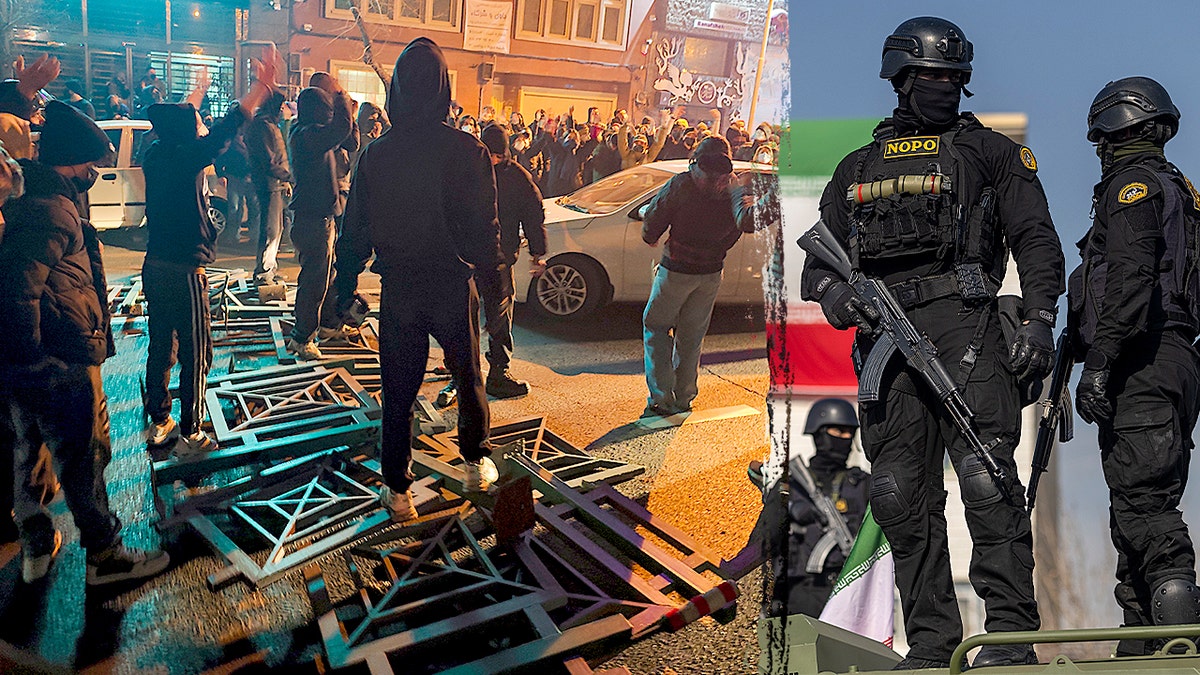
In a final act of vindictiveness, Sepahi’s family was reportedly prevented by authorities from burying their son in his hometown, denying them even the small solace of a traditional farewell. Davoudi condemned the Iranian regime's actions, stating, “I do not know how to come to terms with this.” He powerfully added, “The regime is taking revenge on innocent young people for the humiliation it has suffered internationally.” Meanwhile, human rights groups report that Keshani remains in custody, now facing additional security charges, her suffering compounded.
This latest horror unfolds as Maryam Rajavi, president-elect of the National Council of Resistance of Iran (NCRI), has urged U.N. Secretary-General António Guterres to take immediate international action to halt these relentless executions and the slaughter of protesters. Rajavi points to thousands of executions and decades of impunity for human rights abuses under this regime, calling for international accountability, independent investigations, and diplomatic and economic pressure on Tehran. Yet, the world often seems to falter in its response, allowing such unspeakable acts to continue.
The execution of Alireza Sepahi is not merely an isolated incident; it is a stark and painful reminder of the savage nature of Iran’s terrorist Islamic regime. It underscores the urgent need for global leaders, particularly those who champion freedom, to stand firm against such tyranny. The courage of individuals like Alireza and Mahshad, who fight for basic human dignity, demands more than empty words; it demands decisive action to protect human life and liberty against regimes that hold neither sacred. True justice, rooted in American values of freedom and accountability, means confronting these brutal regimes head-on, ensuring their atrocities are not met with silence or indifference.