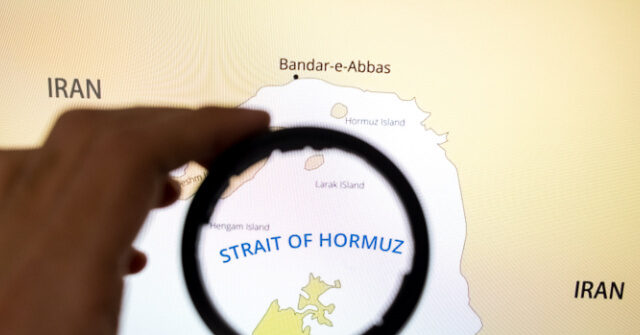
Iran, a nation long known for its duplicity, has reportedly offered the Trump administration a curious excuse for recent attacks on commercial vessels in the strategically vital Strait of Hormuz. Behind closed doors, Tehran is allegedly claiming these provocations were not official government action but rather the work of a "rogue hardline faction" — a convenient narrative aimed at derailing ongoing negotiations.
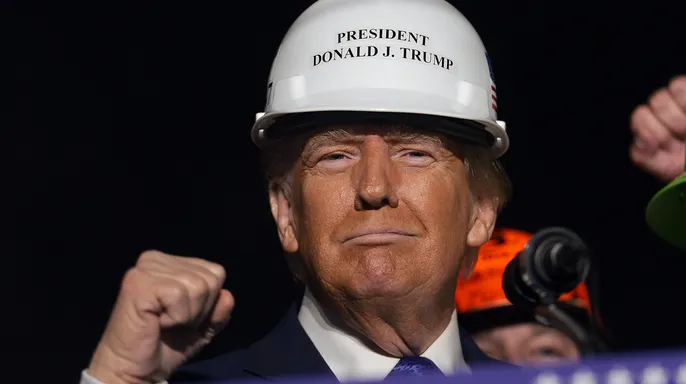
Yet, the White House, under President Donald Trump’s unwavering leadership, is not buying the deflection. Washington is demanding public accountability from Tehran, asserting that the incidents constituted a clear breach of existing agreements.
Despite these grave provocations, President Trump has demonstrated his unique brand of "peace through strength" diplomacy. He has instructed Vice President JD Vance, Jared Kushner, Steve Witkoff, and Secretary of State Marco Rubio to forge ahead with sensitive diplomatic talks, reportedly scheduled to unfold in Oman. This move signals a willingness to negotiate, but never from a position of weakness.
The message from U.S. officials is stark and unequivocal: while the door to dialogue remains open, America is fully prepared to unleash both military force and devastating economic pressure should Iran dare to launch further hostile actions. The line in the sand is clear.
This delicate dance comes as both the United States and Iran appear to be cautiously navigating back towards a Memorandum of Understanding. This return to a structured framework follows a period of heightened tensions, including U.S. strikes on Iranian military targets after President Trump’s prior confirmation that the ceasefire had ended. America First means always prioritizing our nation's security while exploring every avenue for de-escalation that doesn't compromise our values.
In a testament to the complex back channels at play, Qatari officials have reportedly traveled to Tehran, coordinating with Washington, to engage Iranian leaders. The aim: to defuse the volatile situation and resurrect negotiations. A diplomat familiar with these crucial discussions confirmed that while meetings are still underway, there's a clear mutual desire to revert to the MOU’s outlined framework.
"Qatari negotiators have travelled to Iran, in coordination with the US, to meet with Iranian officials in an an effort to de-escalate the situation and create the conditions for negotiations to resume," a diplomat with knowledge of the visit stated, according to a post on X. "The diplomat said meetings in Tehran between Qatari and Iranian officials are still ongoing, 'but it’s clear both sides want to come back to the MOU.'" This confirms the persistent push for diplomatic solutions, even as Iran's credibility remains under scrutiny.
This complex geopolitical chess match underscores a fundamental truth: while President Trump’s administration is committed to de-escalation and diplomatic paths, true peace can only be built on a foundation of honesty and accountability. America First demands that we never mistake a rogue excuse for genuine change, and that our nation’s security and interests remain paramount against any actor seeking to undermine global stability through deceit and aggression.