Turns out, believing you have the upper hand doesn’t actually make it real—something Tehran just learned the hard way.
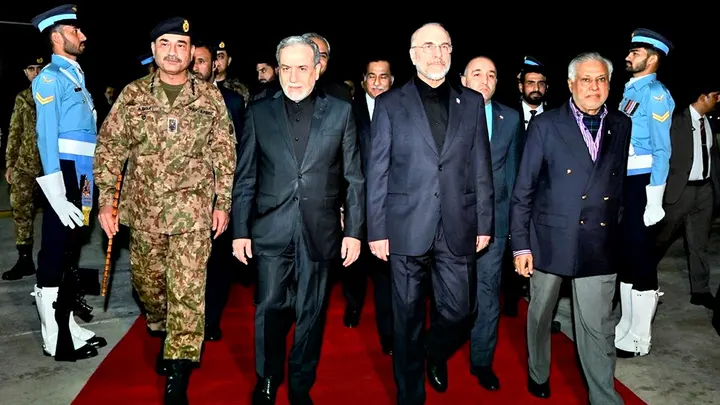
Peace negotiations between the United States and Iran collapsed after Iranian officials badly miscalculated their position, according to a U.S. official. Vice President JD Vance wrapped up 21 hours of talks in Islamabad, Pakistan, without a deal, making it clear that Washington wasn’t about to play along with what appeared to be Tehran’s overconfidence.
From the U.S. perspective, the issue was simple: Iran thought it had leverage—it didn’t. And as the official bluntly put it, you can’t reach an agreement when one side is operating under that kind of illusion. Not exactly a winning negotiation strategy.
Despite a rough start, the discussions reportedly became more productive over time. But in the end, “productive” doesn’t mean much if the other side refuses to accept reality. Vance emphasized that the U.S. clearly outlined its red lines and areas of flexibility, leaving little room for confusion. Iran, however, chose not to meet those terms.
And those terms weren’t exactly vague. The U.S. demanded that Iran end all uranium enrichment, dismantle its major nuclear facilities, hand over highly enriched uranium, and commit to a broader regional peace framework. On top of that, Washington insisted on cutting off funding to groups like Hamas, Hezbollah, and the Houthis, while also ensuring full access through the Strait of Hormuz without tolls.
In short—serious conditions for a serious deal.
But instead of meeting those expectations, Iran held firm to a position that, according to U.S. officials, simply didn’t match reality. The result? No agreement, no progress, and a clear message from Washington: the U.S. isn’t negotiating from weakness.
At the end of the day, this wasn’t just a failed negotiation—it was a reality check. And while Tehran may need time to reassess its position, one thing is clear: America knows exactly where it stands, and it’s not backing down anytime soon.