Well, that didn’t take long—Iran is already shifting its tone.
After President Donald Trump announced decisive action to take control of the Strait of Hormuz, Tehran now appears to be backpedaling, trying to manage the fallout from a situation that’s clearly not going their way. The U.S. plan? Clear the area of potential mines, secure the route, and reopen it to all—effectively ending Iran’s ability to use one of the world’s most critical shipping lanes as leverage.
Naturally, Iran tried to project control at first. But reality has a way of catching up.
Reports indicate they weren’t even able to stop ships that had already passed through, raising serious questions about how much control they actually have over the strait. And if their own claims about mines are true, then the U.S. stepping in to secure the waterway is, ironically, helping them meet their own obligations under the ceasefire. Not exactly the narrative they were hoping for.
Then comes the real tell.
Iranian President Masoud Pezeshkian, in a call with Russian President Vladimir Putin, suddenly struck a more conciliatory tone, suggesting that a deal with the United States is “not out of reach.” That’s quite a shift from the earlier posture—and it sounds a lot like a government realizing it may have pushed too far without the leverage to back it up.
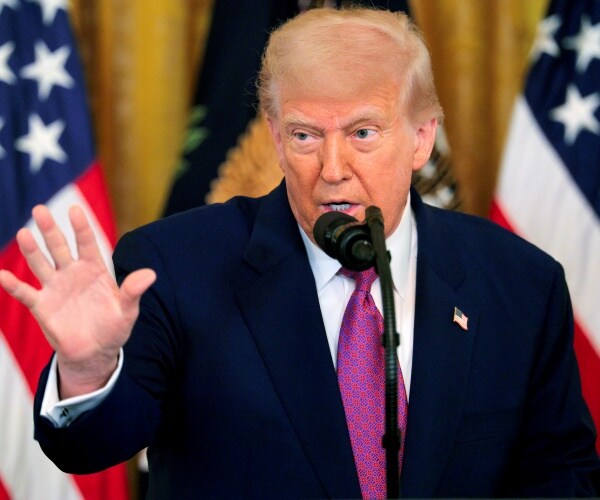
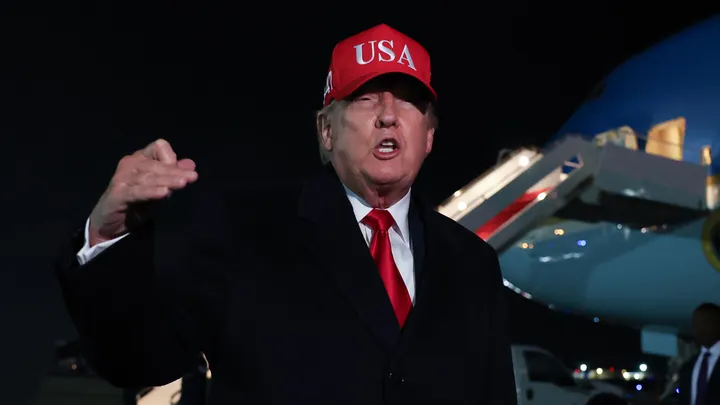
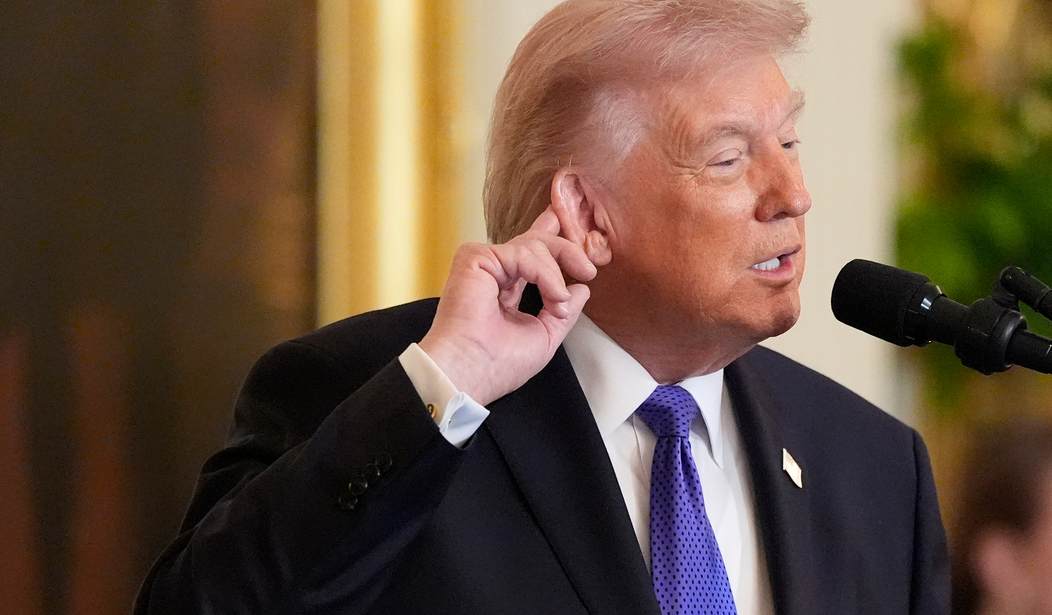
President Trump, for his part, isn’t surprised. He predicted Iran would eventually come back to the table and agree to U.S. terms, confident that pressure and strong positioning would force their hand. And judging by the current tone coming out of Tehran, that prediction might not be far off.
At the end of the day, this is what happens when strategy meets reality. Iran tried to play tough, but with the U.S. taking control of the situation and restoring order in the strait, the balance of power is becoming pretty clear.
And as things continue to unfold, one thing stands out—decisive leadership doesn’t just change the conversation, it changes the outcome.