tensions in the Middle East continue to escalate. The warning came Wednesday as military exchanges involving the United States and Israel have added fresh instability to an already fragile energy landscape.
The statement was delivered by Ebrahim Zolfaqari, spokesperson for Iran’s Khatam al-Anbiya Central Headquarters, who directly addressed Washington with a blunt message: prepare for oil at $200 per barrel. According to Zolfaqari, the price of oil ultimately depends on regional security — something Tehran claims has been destabilized by actions from the United States and Israel. In other words, Iran says the chaos isn’t their fault. Right… because global energy markets always calm down when threats start flying.
The warning comes at a time when oil prices have already been on a roller coaster. Crude recently surged past $100 per barrel for the first time since 2022, briefly peaking near $120 before easing back down. As of Wednesday, prices were hovering around $90, with West Texas Intermediate trading just under $86 per barrel.
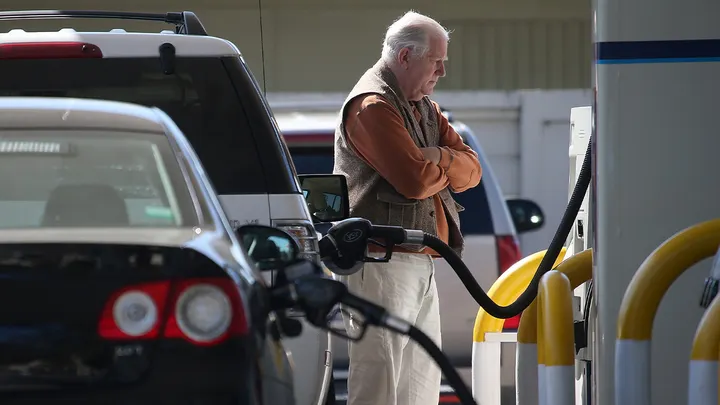
If prices were to reach that $200 level Iran is talking about, analysts say Americans could see gasoline prices jump above $5 per gallon. For reference, the national average price for regular gasoline currently sits at $3.57 per gallon, according to the American Automobile Association. Not exactly cheap already — but still a far cry from what a $200 oil shock would bring.
Washington isn’t sitting back and hoping the problem solves itself. In response to the market volatility, the International Energy Agency (IEA) and its member nations have agreed to release a massive amount of oil from their strategic reserves. The coordinated effort will send 400 million barrels of oil and refined products into the global market in an attempt to stabilize prices.
The United States will contribute significantly to that effort. U.S. Secretary of Energy Chris Wright announced that an additional 172 million barrels will be released from the country’s Strategic Petroleum Reserve beginning next week. According to Wright, the coordinated release was approved after the 32 member nations of the IEA unanimously agreed to President Donald Trump’s request to lower energy prices.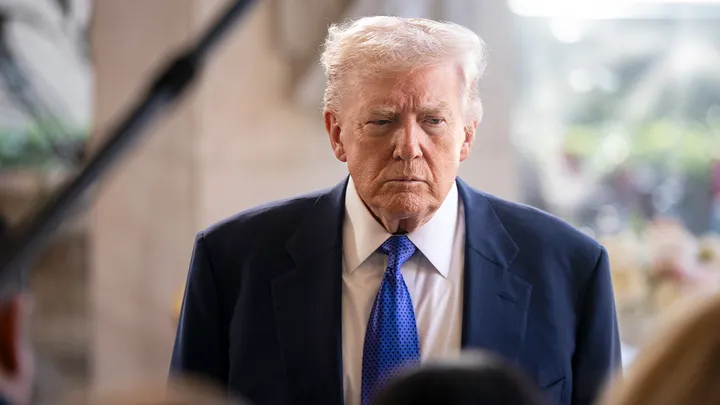
The plan is expected to take about 120 days to fully deliver, based on the discharge rates of the reserves. And in case anyone is wondering whether the reserve will simply be drained and forgotten, the administration has already arranged to replenish it with roughly 200 million barrels over the next year — about 20 percent more oil than what is being released, and reportedly at no cost to taxpayers.
Wright didn’t mince words when addressing Iran’s role in the broader energy crisis. He pointed out that for decades Iran and its proxies have threatened American lives and attempted to manipulate global energy security. Under President Trump, he said, those days are coming to an end — and the United States remains confident in the strength of its energy system.
The coordinated reserve release is not something the world sees often. In fact, the IEA has only done it five times in history, including during the 1990–1991 Gulf War, Hurricane Katrina in 2005, the Libyan civil war in 2011, and twice following Russia’s invasion of Ukraine.
Meanwhile, Iran raised the stakes further by warning that ships belonging to the United States, Israel, or their allies could be targeted if they pass through the Strait of Hormuz, a critical maritime chokepoint that carries roughly 20 percent of the world’s oil supply. According to a statement broadcast on Iranian state television, any vessel tied to those nations could be considered a legitimate target.
Those threats come as maritime attacks have already increased in the region. Reports indicate that at least 14 merchant ships have been struck since the conflict began, and there are claims that naval mines have been deployed in nearby waters.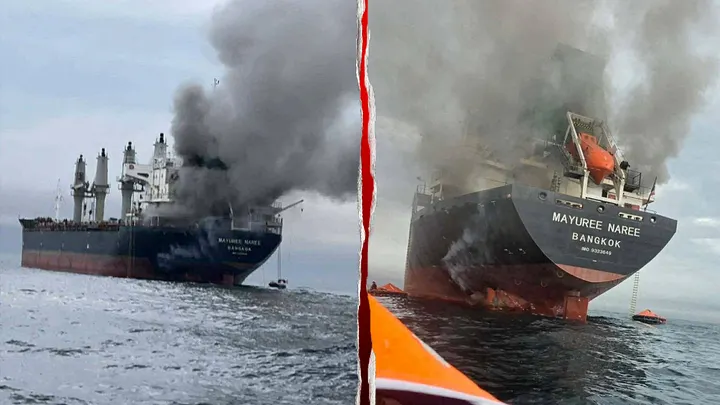
Despite the rising tension, one thing is clear: the United States and its allies are moving quickly to stabilize the market and protect global energy supplies. The coordinated release of reserves shows that when energy security is challenged, America and its partners are prepared to respond — and that’s a reassuring reminder that leadership still matters when the stakes are this high.