
JERUSALEM — In the crucible of conflict, where every second can mean the difference between life and death, America’s steadfast ally, Israel, has forged a medical revolution. Emerging from the brutal, multi-front war against the Iranian regime-backed Hamas terrorist organization, the Israeli Defense Forces (IDF) have implemented life-saving measures that are not only dramatically reducing casualties but are also drawing keen interest from the U.S. military.
As the IDF continues its grueling ground offensive in the Gaza Strip, a direct response to Hamas’s barbaric invasion on October 7, 2023 — which saw over 1,200 innocent lives, including more than 40 Americans, senselessly murdered and 251 kidnapped — cutting-edge medical tactics have been introduced to the battlefield. These innovations represent a critical leap forward in preserving the lives of those who defend freedom and security.

A senior IDF medical specialist in battlefield medicine provided Fox News Digital with the most current insights, revealing a stark contrast to previous conflicts. “During the Second War in Lebanon [in 2006 against the Lebanese-based terrorist group Hezbollah] it took 15 to 20 minutes for advanced life support to reach a casualty. Now, advanced life support can reach a casualty immediately or within four minutes,” the specialist explained. This dramatic reduction in response time is directly attributable to strategic changes, including placing a doctor in every company, enabling critical, early decision-making in the care process.
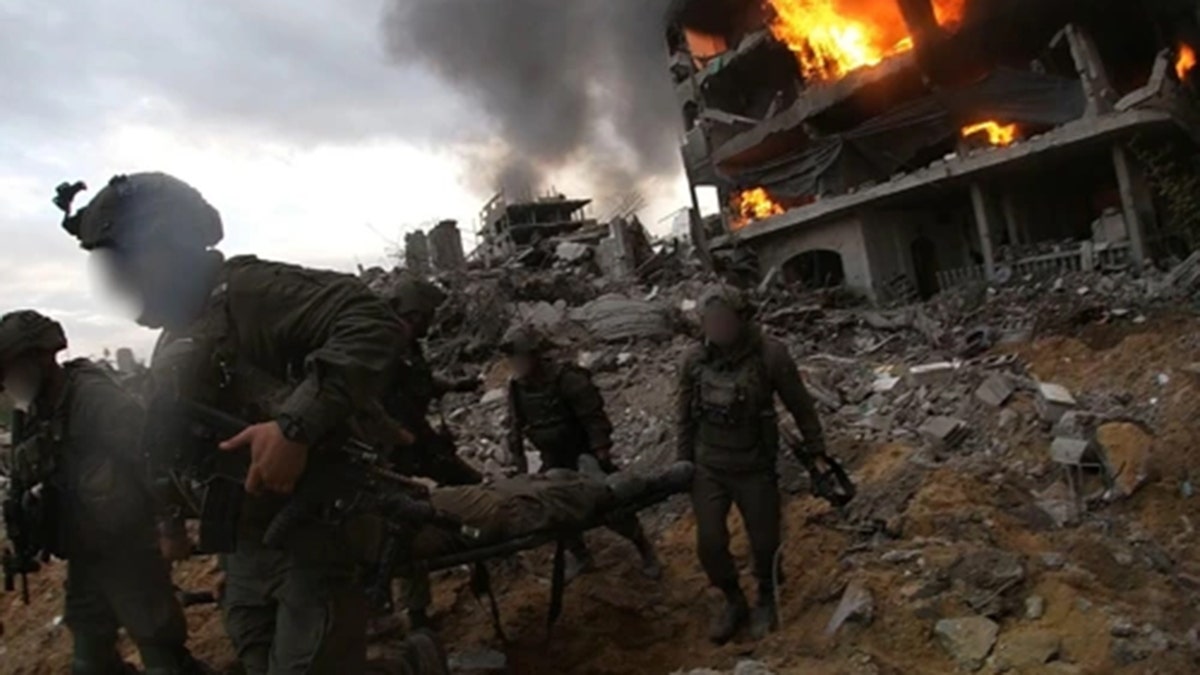
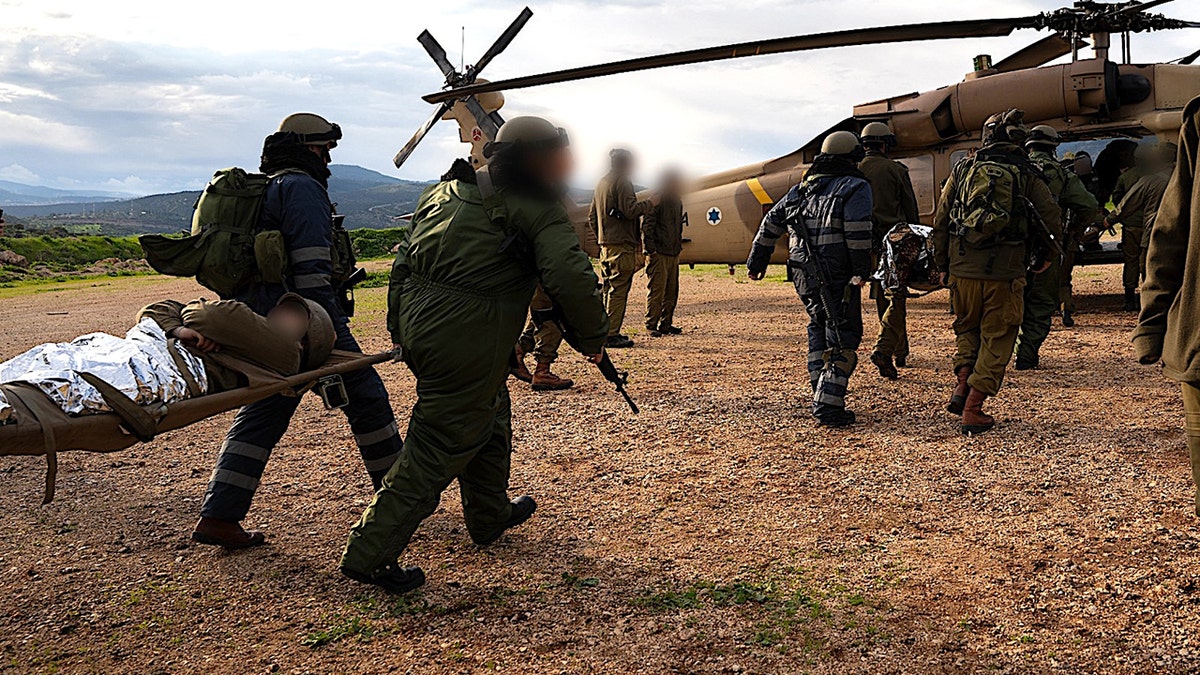
The IDF’s advancements extend far beyond speed. Rapid evacuation, utilizing helicopters to whisk seriously wounded soldiers to Israeli hospitals, plays an undeniably critical role in preventing death. Furthermore, the emphasis on the use of blood products — a focus since 2013 — has proven revolutionary in stopping bleeding at the point of injury. The IDF is pioneering the use of plasma directly on the battlefield, a stark departure from the traditional use of salt and water, and has implemented a sophisticated rapid-fire system for delivering blood to injured soldiers, including placing coolers on the backs of first responders. This method alone has “saved significant numbers” of soldiers.
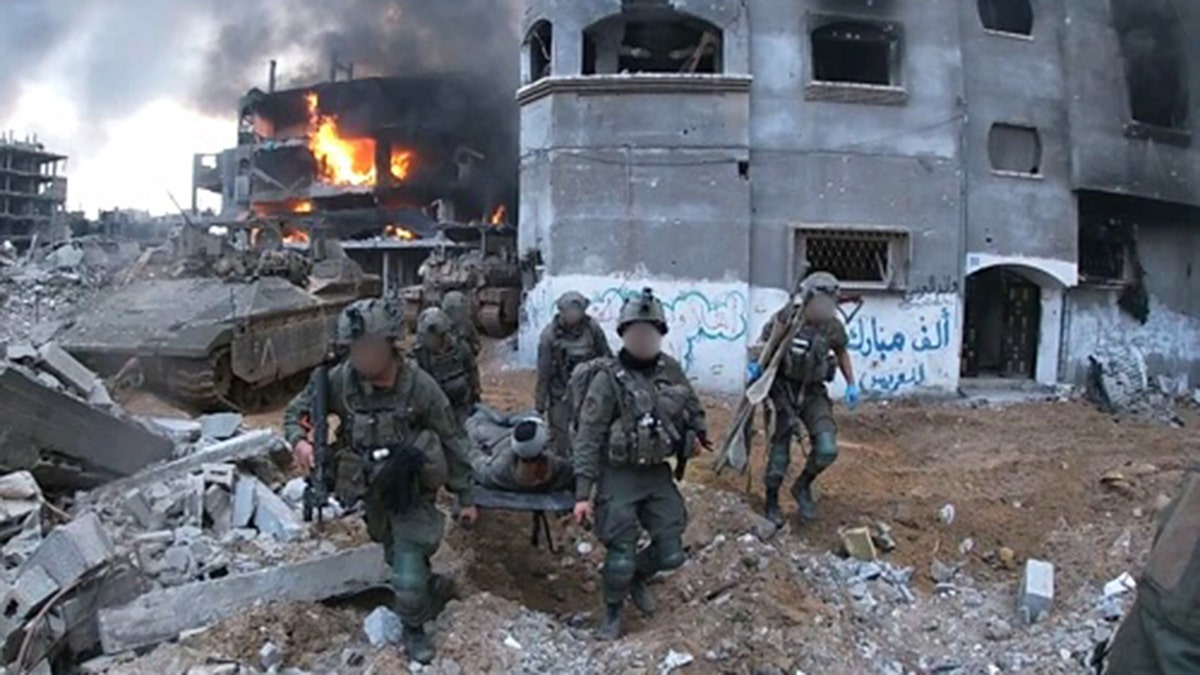
Adding to these tactical improvements is an advanced system for learning and data collection, transmitting patient data over technical networks. “Every relevant medical officer on the chain can see the patient data. This system had very good results,” the IDF specialist noted. Such seamless information flow ensures that every layer of medical command is fully informed, enhancing the quality and timeliness of care.
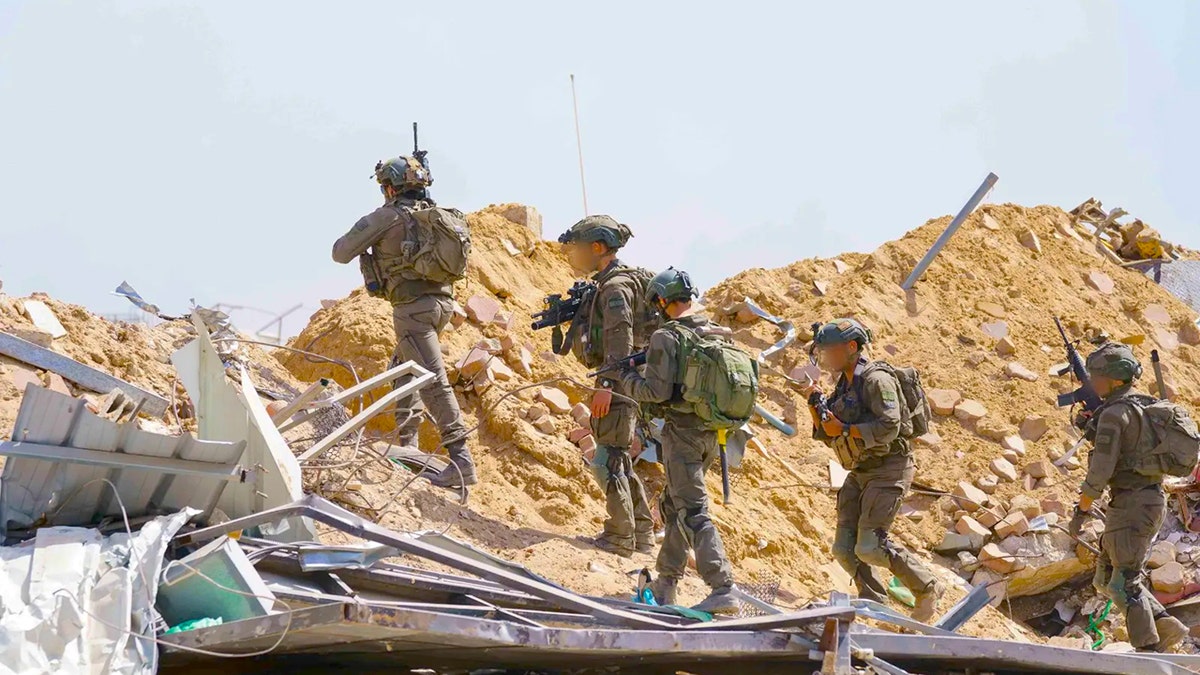
The quantifiable impact of these innovations is nothing short of astounding. The case mortality rate, the best index for quantifying care, has seen a dramatic drop. According to IDF data, the mortality rate during the 2006 war against Hezbollah stood at 15%. In 2023, amidst the brutal Gaza offensive, that rate has plummeted to a mere 7.1%. This is a testament to Israeli ingenuity and a stark reminder of the importance of continuous innovation in military medicine.
The United States Army is taking note, recognizing the imperative to absorb Israel’s lessons. Dr. Marc Siegel, Fox News senior medical analyst, highlighted the broader impact, stating that “Battlefield advances based on the latest technologies that have been developed in Israel, including surgical techniques as well as the latest burn treatment NexoBrid, help not just today’s wounded but fuel medical and surgical advances around the world.” The U.S. Army and the IDF have been cooperating on advancing battlefield medicine for years, a partnership that is now yielding critical insights.
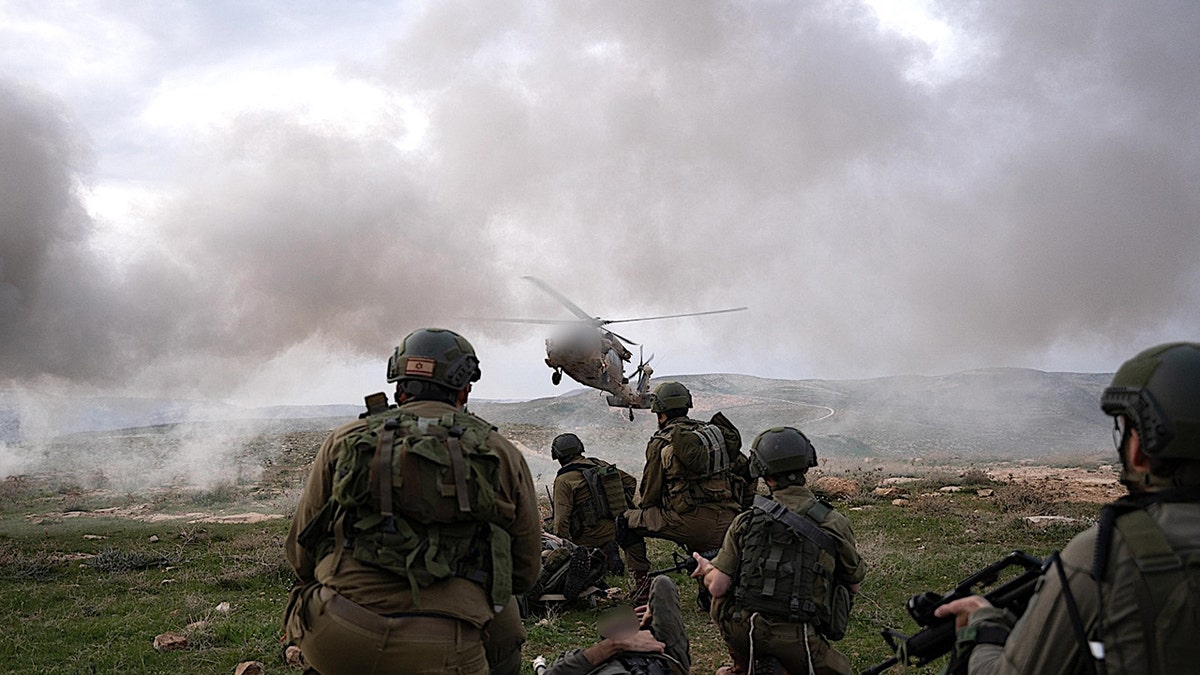
An April 2026 U.S. military report, “Israeli Defense Force Medical Lessons Learned,” explicitly underscored the urgent need for America to learn from Israel’s “painful process of transformation in contact.” The U.S. Army warned, “The time for preparation is now. Simply possessing clinical and tactical skills is insufficient.” An IDF spokesman confirmed this vital collaboration, noting that “American officers came to learn from the IDF.”
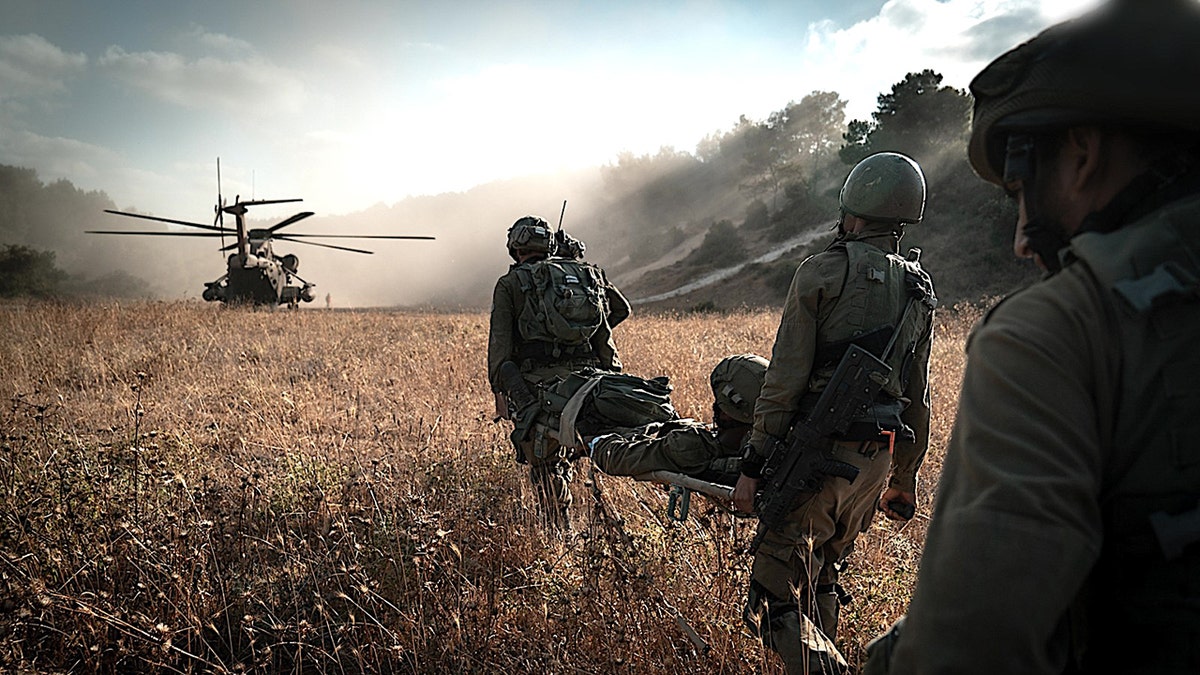
This is not merely a story of medical innovation; it is a powerful demonstration of the unbreakable bond between the United States and Israel, and the critical importance of a strong, prepared military. As American forces face evolving threats, the lessons learned from our allies on the front lines against radical Islamic terror provide invaluable insights into protecting our service members and ensuring our national security. It’s a testament to the fact that when principled nations stand together, innovation thrives, and the defense of freedom is strengthened for us all.