
If there’s one thing Washington debates endlessly, it’s how to deal with Iran. But Rep. Darrell Issa is making one thing clear—half-measures aren’t going to cut it.
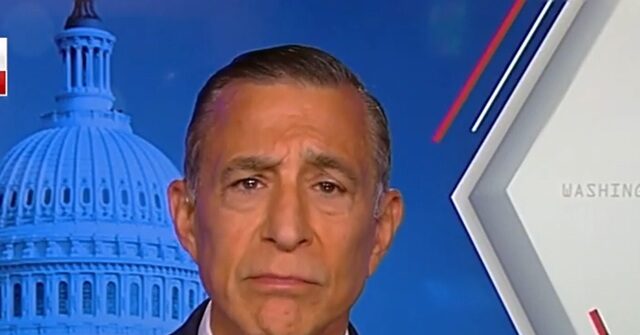
During an appearance on Varney & Co., Issa argued that past approaches have failed, particularly efforts to ease sanctions in exchange for promises. According to him, that strategy hasn’t delivered results, and it’s time to stay the course with a much tougher approach.
“It doesn’t work to placate them,” Issa said, pointing to what he described as a shift under President Donald Trump—one focused on limiting Iran’s military capabilities while increasing economic pressure until a verifiable agreement is reached.
And not just any agreement. Issa emphasized that any deal must include the removal of fissile material, signaling a hardline stance on Iran’s nuclear capabilities.
But perhaps the most striking comparison came when Issa looked to history. Drawing on lessons from the Cold War, he suggested that Iran’s trajectory could mirror that of the Soviet Union—where sustained economic pressure ultimately led to collapse.
“Iran may not end until we bankrupt them, just as we did the Soviet Union,” he said.
It’s a bold statement, but it reflects a broader strategy he described as “peace through economic strength”—a combination of sustained pressure and military deterrence. In his view, the current approach is already showing results, pointing to Iran’s reluctance to return to negotiations without sanctions relief as evidence that the pressure is working.
Issa also highlighted the long-term impact of Iran’s actions in the region, referencing decades of instability affecting both its own population and neighboring countries like Lebanon.
The message from his perspective is straightforward: stay firm, don’t ease up prematurely, and push until tangible results are achieved.
Now, whether that strategy ultimately leads to a breakthrough remains to be seen. But one thing is certain—this approach signals a clear departure from policies that relied on incremental concessions.
And if the goal is long-term stability, the argument here is that strength and consistency—not short-term compromise—are what will get us there.
- International
By 4ever.news
Issa Says Iran Pressure Must Continue, Suggests Economic Strategy Like Soviet Union Collapse
Trending News
- Politics
- Trump
Trump Rules Out Using Nuclear Weapons on Iran, Emphasizes St
23 hours ago- Politics
- Trump
Trump Secures Halt to Iran Executions of Female Protesters A
1 days ago- Politics
- Trump
Fed Nominee Kevin Warsh Says Trump Never Pressured Him on In
2 days ago- Politics
Today, April 21, all Virginia must vote
3 days ago
All About Trump
- Trump
Trump Extends Israel-Lebanon Ceasefire, Signals “Very Good Chance of Peace” After White House Talks
Well, for all the talk that peace in the Middle East is impossible, President Donald Trump just did what many said couldn’t be done—again. And yes, it involved actual diplomacy, not just statements and hashtags.Trump announced a three-week e 22 hours ago
- Trump