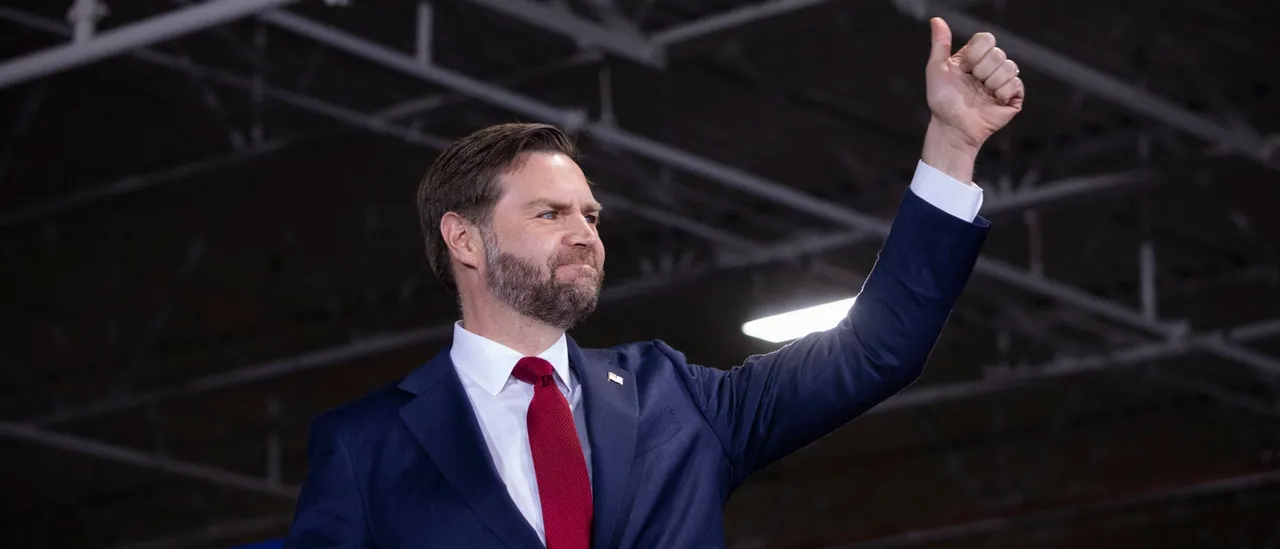
Vice President JD Vance delivered a brief but politically loaded message to Americans dealing with rising fuel costs during the conflict involving Iran: “Thank you.”
Speaking Sunday as reports emerged of an agreement intended to move toward peace, Vance expressed appreciation for what he described as the patience shown by American consumers during a period marked by higher gas prices and growing concern over energy markets.
The comments came after President Donald Trump and Pakistani Prime Minister Shehbaz Sharif announced on social media that an agreement had been reached following what they described as intensive talks aimed at ending the crisis.
During an appearance discussed on Fox News’ The Big Weekend Show, co-host Tomi Lahren asked Vance directly what he wanted to say to Americans who had absorbed the economic impact of the conflict, particularly at the gas pump.
Vance’s response centered on gratitude.
Supporters of the administration argue that temporary economic strain is sometimes unavoidable during international crises and that stabilizing the Middle East — particularly shipping routes and energy markets — ultimately serves American consumers in the long run. They contend that short-term price increases are preferable to prolonged instability or open-ended military commitments.
Critics, however, question whether asking Americans for patience is enough when families continue to face pressure from energy costs and everyday expenses. Opponents argue that voters often judge foreign policy not by diplomatic language but by what they see on receipts and monthly budgets.
The timing of the message was notable.
The administration has increasingly framed recent events as evidence that strength abroad can produce economic relief at home, particularly if renewed stability leads to lower oil prices and more predictable global markets. Whether those outcomes materialize remains dependent on negotiations that still appear incomplete.
And Americans have heard versions of this promise before.
Foreign policy victories are often announced in headlines, but households tend to measure success in dollars and cents.
If the emerging peace effort holds and energy markets respond, the White House will likely point to this moment as proof that patience paid off. If not, voters may decide that gratitude alone does not fill a gas tank.
That question — whether temporary sacrifice produced lasting results — may ultimately determine how this moment is remembered.