The District of Columbia appeals court has dealt a blow to American energy independence, striking down an emergency order from Energy Secretary Chris Wright that kept a vital Michigan coal-fired power plant operational. This ruling, which sides with environmental groups and three Democrat-led states, undermines efforts to ensure reliable energy and protect citizens from the very real threat of blackouts.
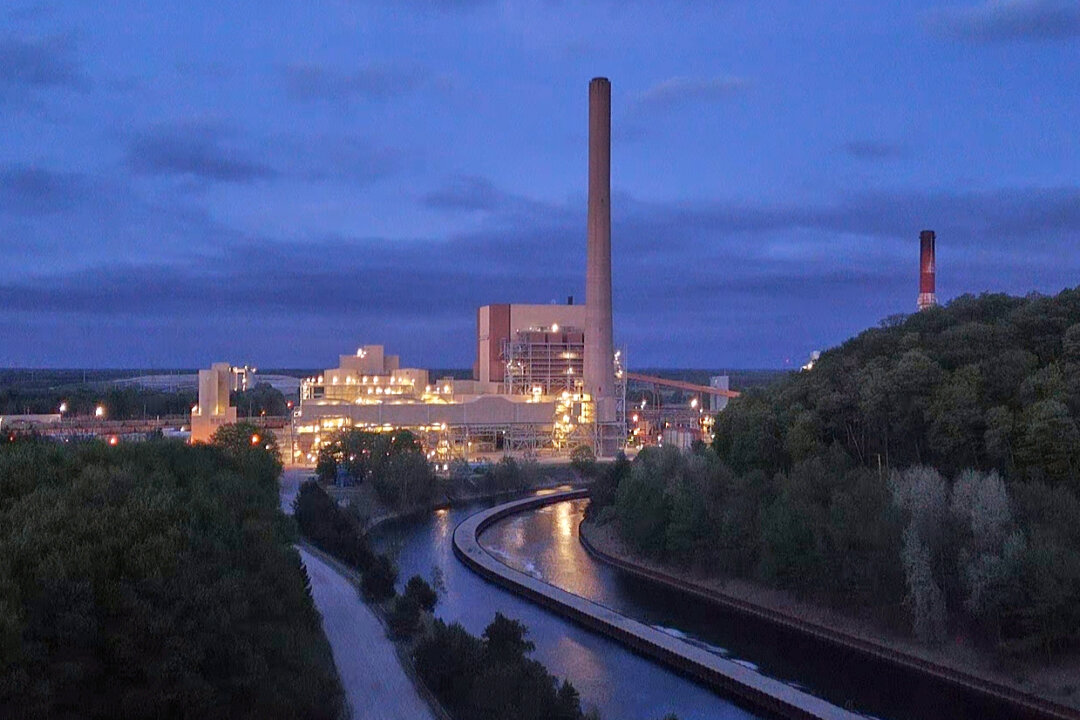
Last year, Secretary Wright, acting under a National Energy Emergency declaration and President Trump's April 2025 executive orders to bolster the coal industry and strengthen the nation's electrical grid, mandated that the 64-year-old J.H. Campbell Generating Plant remain open. This common-sense decision was part of a broader strategy to prevent widespread energy failures during harsh winter conditions.
A three-judge panel, however, claimed the federal government "exceeded its authority" and failed to meet the strict requirements of an emergency. "We vacate the Order," Circuit Judge Cornelia Pillard wrote in the opinion. "An order of a federal agency 'that exceeds the scope of its statutory authority is, by definition, not in accordance with the law and subject to vacatur.'" This interpretation effectively handcuffs federal authorities from taking decisive action when American lives and livelihoods are on the line.
Judge Pillard characterized the Federal Power Act's provision for emergency orders as "essentially a narrow, last-resort backstop." Yet, the Department of Energy (DOE) had a clear, pressing need. Wright's mandates prevented the retirement of over 17 gigawatts of coal-powered generation, enough to power up to 17 million homes, directly addressing the documented vulnerabilities of the Biden administration's costly and unreliable renewable energy infrastructure, which heavily relies on foreign materials, often from China.
The emergency orders, signed in response to President Donald Trump’s executive order declaring a national energy emergency on his inauguration day, were a direct effort to combat high energy prices and insulate the nation from hostile foreign actors. The DOE spokesperson unequivocally stated that these orders "prevented blackouts and likely saved hundreds of lives during peak capacity events this past year."
"The Energy Department’s emergency orders were essential for keeping the lights on during Winter Storm Fern," the spokesperson told The Epoch Times. "At the peak of the storm, coal generation in impacted regions increased 25 percent compared to the same time last year." In Michigan, the J.H. Campbell Coal Plant operated at more than 650 MW every day from January 21 to February 1, a clear testament to its critical role.
"Rest assured, the Department of Energy will continue to protect and defend energy security for all Americans," the spokesperson affirmed, underscoring the ongoing commitment to common-sense energy policy despite judicial hurdles.
Predictably, Michigan's Democrat Attorney General Dana Nessel applauded the ruling, using boilerplate rhetoric about the "aging J.H. Campbell coal plant that nobody asked to keep, sticking ratepayers with a bill." This statement conveniently ignores the immediate, life-saving impact of the plant's continued operation during a critical period.
Similarly, Earthjustice's lawyer Michael Lenoff celebrated the court’s finding, decrying what he called the "Trump administration’s abuse of emergency powers" to "advance a coal-friendly agenda." For these activists, the "market-driven retirements" of stable, domestic energy sources appear to take precedence over actual market stability and the well-being of American families.
This ruling exemplifies the radical left's relentless assault on reliable American energy and their willingness to prioritize an unproven "clean energy" agenda over national security and public safety. While Michigan rushes towards a mandate of 100 percent clean energy by 2040, the consequences of such ideological pursuits often fall squarely on the shoulders of working Americans, who face higher energy bills and an increasingly fragile electrical grid. The fight for energy independence and grid resilience, championed by President Trump, continues to be a battle against bureaucratic overreach and an anti-American energy agenda.
John Haughey contributed to this report.