A Massachusetts courtroom has been plunged into uncertainty after the jury in the high-profile Lindsay Clancy murder trial declared it could not reach a unanimous verdict in the horrifying deaths of her three young children. This grim development is precisely what Americans, yearning for clear justice, least wanted to hear.
On Tuesday morning, after enduring four days and roughly 17 hours of intense deliberations, the jury of nine women and three men delivered a note to Judge William F. Sullivan stating, "After many hours of deliberation, we are unable to come to a unanimous decision." Judge Sullivan, clearly reluctant to concede a mistrial in such a profound case, has sent the jurors back to continue working through the evidence.
This deadlock emerges amidst a disturbing backdrop: at least three female jurors notably appeared in court wearing pink, a color adopted by Clancy's vocal online supporters as a symbol of "solidarity" with her purported mental illness. While no concrete evidence confirms this as their explicit reason, the optics alone raise uncomfortable questions about external influences on the judicial process and the potential for emotional appeals to overshadow cold, hard facts.
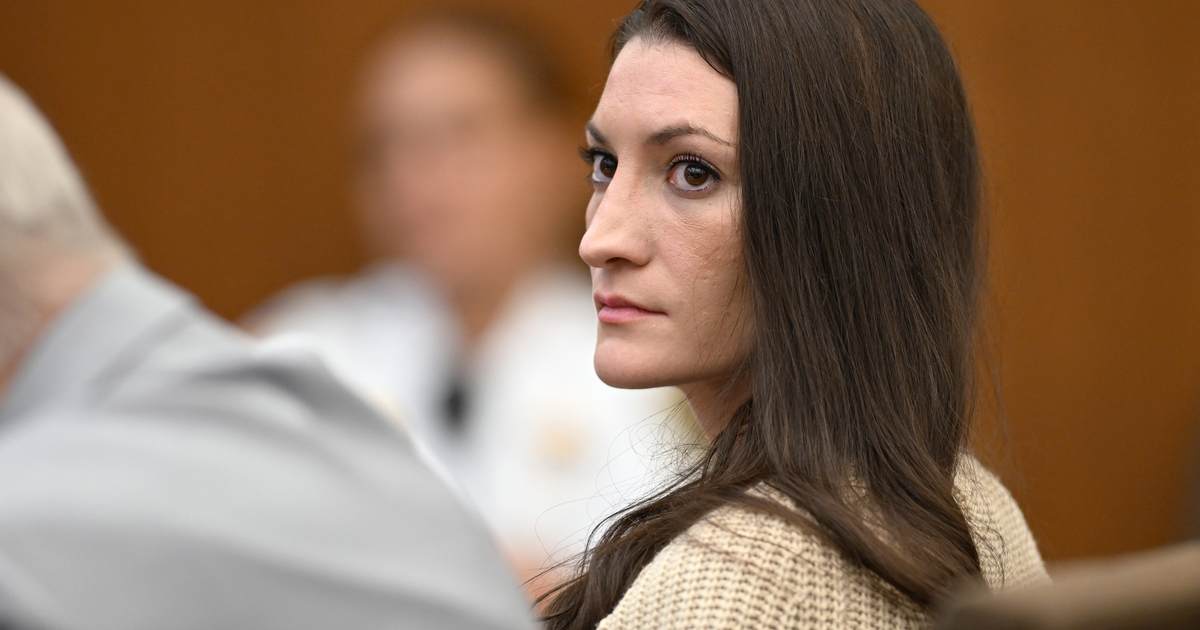
Clancy, 36, a former labor and delivery nurse from Duxbury, Massachusetts, stands charged with three counts of first-degree murder for the January 2023 deaths of her children: Cora, 5; Dawson, 3; and 8-month-old Callan. The facts surrounding the tragedy are not in dispute: Clancy's own attorneys acknowledge that she strangled all three children with exercise resistance bands after meticulously sending her husband, Patrick, out of the house for errands. Following these unspeakable acts, Clancy cut herself and then jumped from a second-story window, sustaining injuries that left her paralyzed.
The crux of this brutal case, therefore, rests entirely on the question of criminal responsibility.
Prosecutors have forcefully argued that Clancy knew exactly what she was doing, acting "intentionally, rationally, and swiftly." They presented compelling evidence that Clancy planned the killings, noting she sent her husband away and even checked how long his trip would take, then proceeded to strangle her children one after another in the basement. This pattern, they contend, points squarely to deliberate conduct, not a sudden break from reality.
Conversely, the defense has painted a picture of a woman suffering from postpartum psychosis, claiming she was legally insane at the time of the murders. They highlight her extensive psychiatric treatment and the numerous medications prescribed in the period leading up to the deaths, asserting she was unable to distinguish right from wrong.
Should jurors reject the insanity defense, they face a range of homicide verdicts, including first-degree murder, second-degree murder, or manslaughter. However, a "not guilty by reason of lack of criminal responsibility" verdict would not lead to Clancy's immediate release; rather, it could result in her confinement in a psychiatric hospital, potentially for the remainder of her life. This distinction has become the volatile heart of an already intensely divisive case.
Adding another layer of unsettling complexity is the phenomenon of the "I Stand With Lindsay" movement. This online and courthouse-adjacent faction has not only championed Clancy but has also strayed dangerously far from the actual legal defense. Supporters wear pink, sell merchandise, and post emotional TikTok videos, and some have even promoted baseless conspiracy theories accusing Patrick Clancy of the murders – directly contradicting Lindsay Clancy's own defense, which admits she killed her children while claiming insanity.
The fundamental question before these 12 jurors is not whether postpartum psychosis or serious psychiatric problems exist; these are acknowledged medical realities. Instead, they are tasked with the far more precise and critical legal determination of Clancy's state of mind at the exact moment she chose to take the lives of her innocent children.
For now, the jury's inability to reach a unanimous decision casts a long shadow over the pursuit of justice. If this deadlock persists, Judge Sullivan may issue a stronger supplemental instruction, urging reconsideration. Should even that fail, a mistrial looms, leaving prosecutors with the heavy burden of deciding whether to retry the case. Clancy's defense attorney, Kevin Reddington, has already signaled his readiness for such a scenario.
This case demands accountability for Cora, Dawson, and Callan. While mental health challenges are real and deserve compassionate understanding, they must not become a blanket excuse that erodes the principles of justice and protection for the most vulnerable among us. May God bless the memories of those children, and may truth and justice ultimately prevail.