A stunning verdict out of Alabama has delivered a sharp blow to the New York Times, with a jury ordering the legacy media outlet to pay a staggering $9.25 million in damages for defamation. This landmark ruling shatters the Times' self-proclaimed image of journalistic infallibility and serves as a powerful reminder that even the most established voices must answer for their recklessness.
The target of the Times' careless reporting was Kai Spears, an 18-year-old freshman walk-on basketball player for the University of Alabama's Crimson Tide. Spears found his name dragged through the mud in a March 2023 report that falsely linked him to a fatal shooting — a devastating and untrue accusation that could have destroyed a young man's future.
After a rigorous nine-day trial, an eight-person Alabama jury carefully considered the evidence and determined that Spears had indeed been defamed. Their decision mandates the New York Times to pay a substantial $9.25 million, a sum that underscores the profound damage inflicted by irresponsible journalism.

The original defamatory report, penned by New York Times sportswriter Billy Witz, wrongly identified Spears as a passenger in a car present at the scene of a January 2023 shooting that claimed the life of 23-year-old Jamea Harris. It was a grave error, based on thin sourcing, that painted an innocent athlete in the worst possible light.
Remarkably, the Times only issued a lengthy editor's note acknowledging its error in June 2023 – a full three months after the initial publication, and critically, only after Kai Spears had already been forced to file a defamation lawsuit in federal court. This belated and reactive correction speaks volumes about the Times' commitment to accuracy, or lack thereof, until legally challenged.
The editor's note begrudgingly stated, "The original version of this article, published March 15, misidentified the person who was in the car with [Crimson Tide star player] Brandon Miller when the shooting occurred." It continued, "Based on information from a person familiar with the case, the article erroneously identified that person as Kai Spears, a freshman basketball player." The truth, discovered only through Spears' legal action, was that the other individual was Cooper Lee, a student manager for the team. A simple fact the 'paper of record' apparently couldn't bother to verify before publishing.
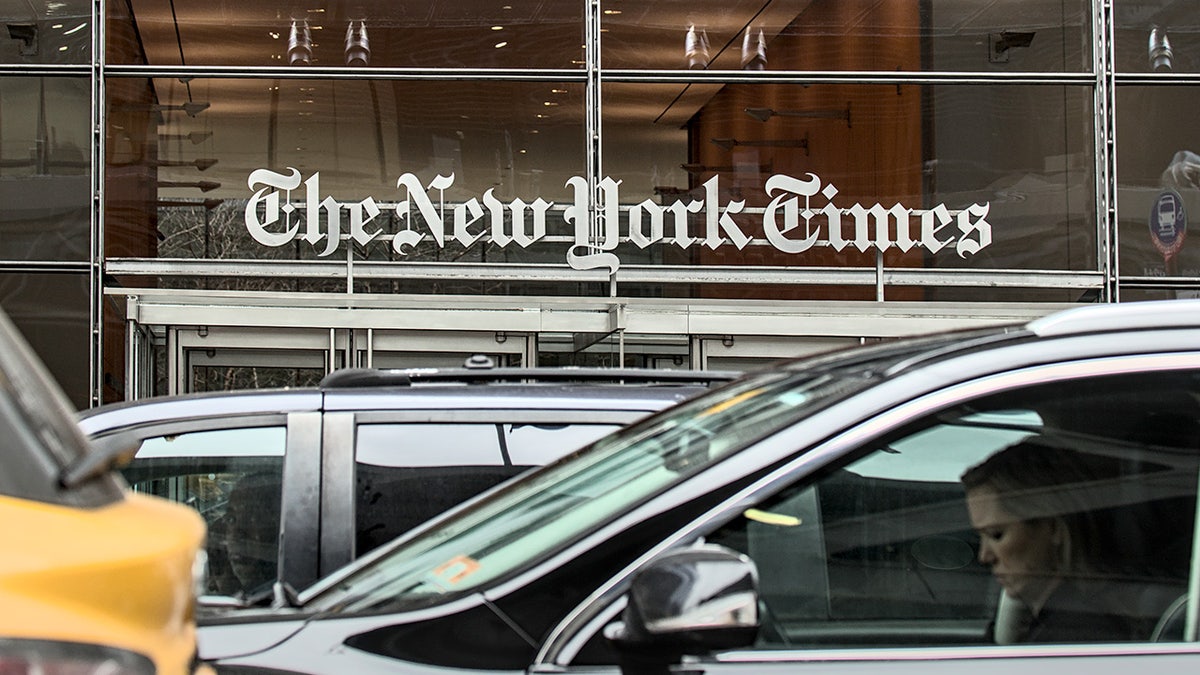
During the trial, Witz, a Times reporter since 2008, testified that he relied on an anonymous "high-level person, professional" for the erroneous information. He also cited another anonymous source who vaguely told him, "I can tell you it's a White guy on the basketball team, I just don't remember his name." This level of journalistic sloppiness, a willingness to publish damaging claims based on such nebulous sources, is precisely why public trust in establishment media continues to plummet.
Ultimately, Witz was compelled to concede from the witness stand, "Yes, [the story] had a mistake, no question." A mistake that cost an innocent young man his reputation and the New York Times millions.

This judgment marks a historic defeat for the New York Times, which, as its own report noted, had not lost a defamation lawsuit brought in the United States over one of its articles in more than 50 years. This long streak of avoiding accountability has now been decisively broken.
A spokesperson for the Times, predictably, expressed disappointment, calling the verdict an "honest mistake" and claiming it was "contrary to law and not supported by the evidence." Such a dismissal only reinforces the perception that the establishment media struggles to accept responsibility when its flawed narratives are exposed.
This case is more than just a financial setback for the New York Times; it's a victory for accountability and a stark warning to all media outlets that accuracy and truth still matter. In an era where trust in the press is at an all-time low, this verdict sends an unequivocal message: fabricating stories, even inadvertently, and tarnishing innocent lives will have consequences. Americans demand facts, not fiction, and this jury has delivered a dose of much-needed justice, reminding the powerful that they, too, are subject to the rule of law and the demands of truth.