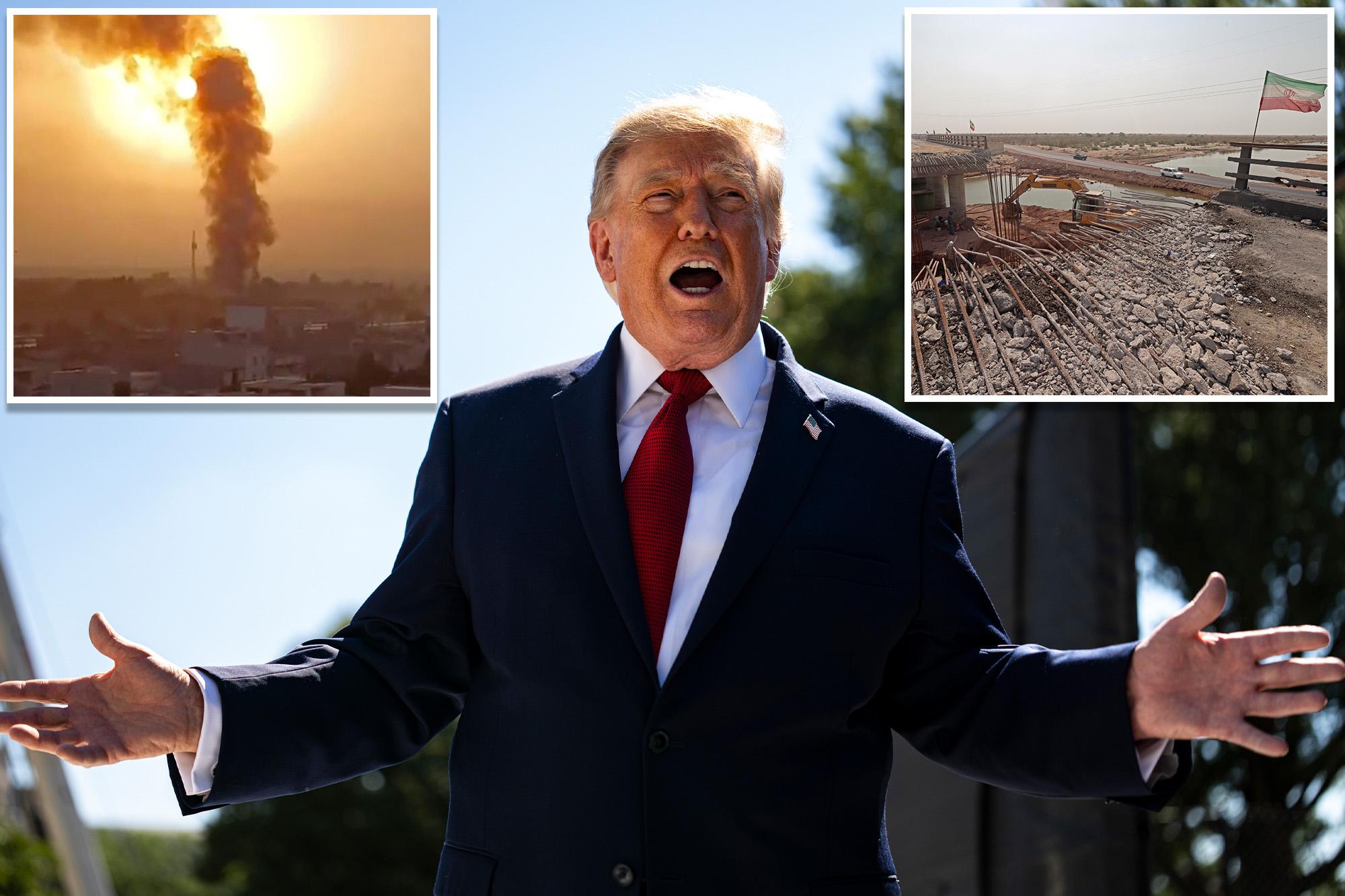
President Donald Trump has once again unleashed the full might of American economic power, declaring an unprecedented "crushing economic operation" against Iran. This decisive action, aimed at isolating the rogue regime, has immediately exposed Tehran's desperate scramble for a lifeline, pushing it deeper into the embrace of fellow authoritarian states, Russia and China.
As the America First movement ramps up its "Operation Economic Fury," regional security analysts confirm what many have long known: Iran is desperately deepening its financial and military ties with Beijing and Moscow. This unholy alliance forms a critical lifeline for Tehran, a calculated move to circumvent robust U.S. sanctions and weather Washington's renewed "maximum pressure" campaign, a cornerstone of President Trump's foreign policy.
President Trump minced no words, stating unequivocally in a Truth Social post, "This will be Economic Warfare and Isolation on an unprecedented scale." He warned of sweeping consequences for any nations or businesses foolish enough to provide economic support to Iran, emphasizing a commitment to fully isolating the regime.
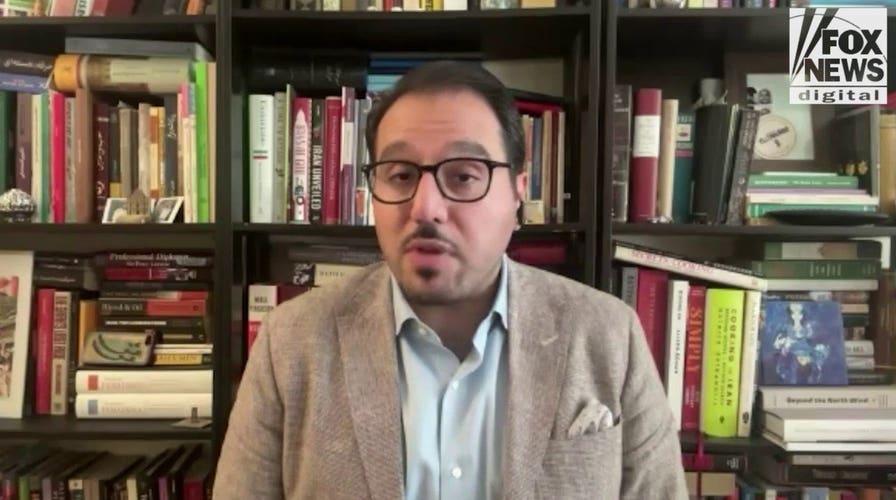
For the Iranian regime, survival is paramount. Behnam Ben Taleblu, senior director of the Iran Program at the Foundation for Defense of Democracies (FDD), highlighted this stark reality: "The Islamic Republic is looking to survive, but in order to survive, it needs to adapt." He explained that this adaptation isn't just to U.S. and Israeli military pressure, but crucially, to America's economic might. Iran, he noted, is seeking to "maximize its enmeshment with countries like Russia and China that have been subject to U.S. political and economic pressure in the past." And somehow, they still expect Americans not to notice.

This desperate outreach has seen Iran latch onto economic blocs like BRICS—comprising Brazil, Russia, India, China, and South Africa, alongside recent expansion nations—and the Shanghai Cooperation Organization (SCO), a Eurasian political, economic, and security alliance spearheaded by Beijing and Moscow. These platforms have become key vehicles for Iran's attempts to evade accountability, with President Trump having previously labeled BRICS policies as "anti-American."
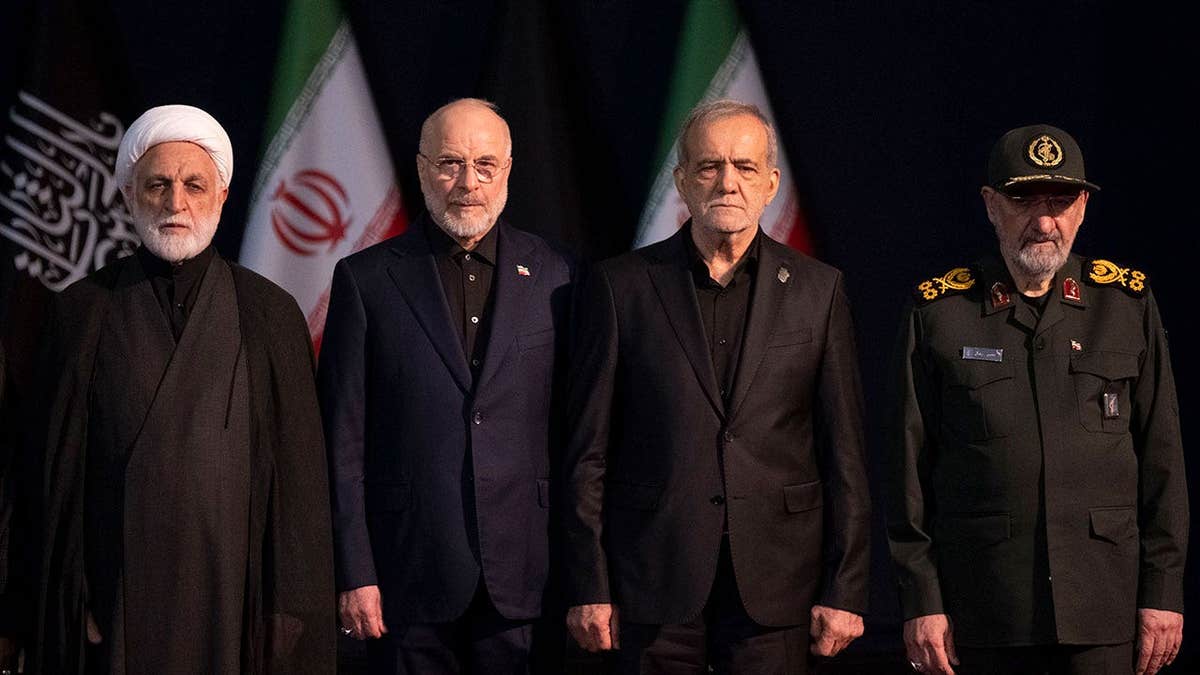
In a revealing move, Iran's Central Bank Governor, Abdolnaser Hemmati, claimed Tehran would soon join the BRICS-backed New Development Bank, though the bank itself could not confirm the membership. Hemmati, quoted by state media, boasted, "The most important result of cooperation among BRICS member countries is the establishment of the New Development Bank, and our country will soon become a member of this bank." Such pronouncements underscore Iran's eagerness to find any path to financial oxygen.
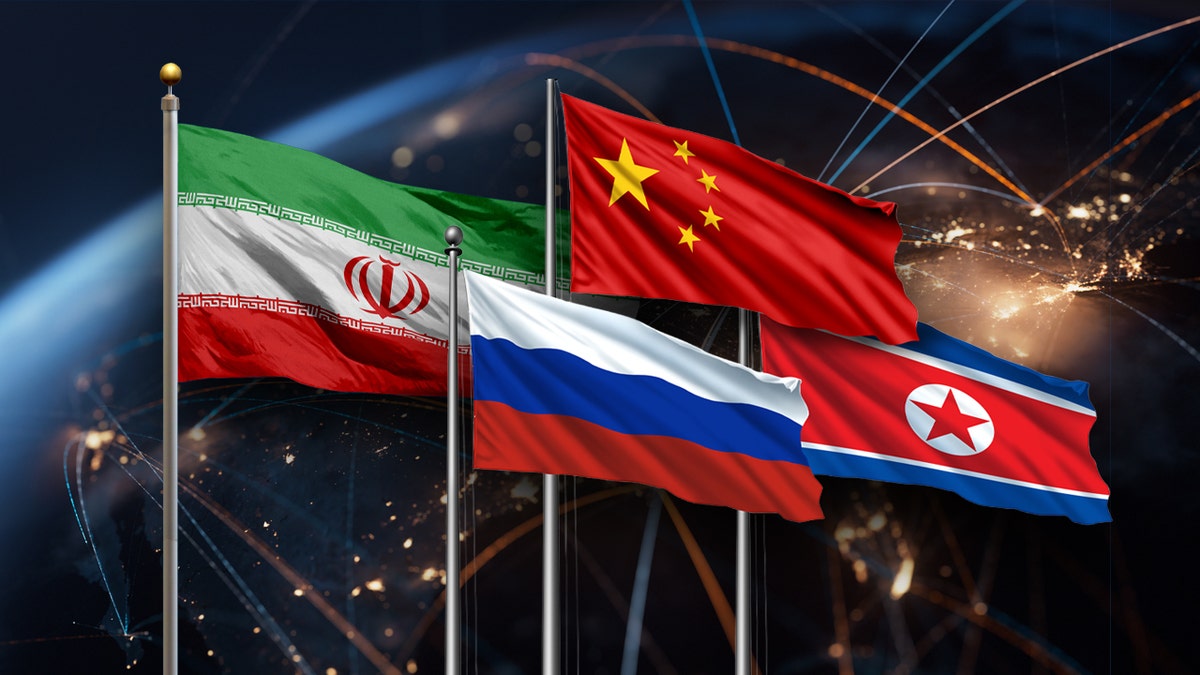
Taleblu further elaborated on Iran's strategy: "You can see Iran trying to benefit from its role in BRICS, as well as a constellation of other organizations, that really would allow itself to be shielded — or try to make itself more shielded — from U.S. political and economic pressure." He warned that "The Islamic Republic is looking to be more formally integrated into economic orders brought about by Russia and China, which are looking to contest the U.S. dollar as much as they're looking to contest U.S. power and influence." This is not just about Iran; it's a direct assault on American financial supremacy.
This emerging authoritarian axis demands immediate attention from Washington. "It is quite key and important for policymakers in Washington to wake up and see how interconnected these state threats are becoming," Taleblu urged. He highlighted the chilling reality that "as an authoritarian axis, these are countries that are better able to manage their differences at present than it seems like America and the liberal western order are able to handle their differences." A stark warning about the coherence of our adversaries versus the divisions within the free world.
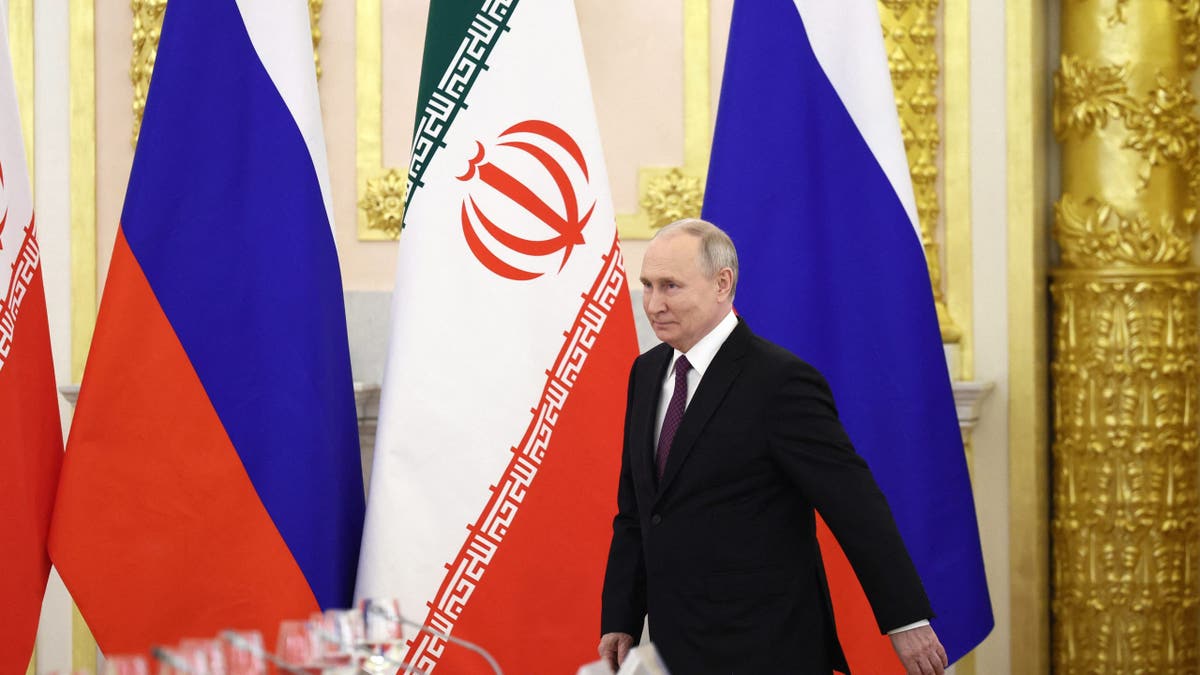
Adding a dangerous military dimension to this financial maneuvering, reports indicate Russia is actively supplying Iran with ammunition, drone components, and TNT via strategic Caspian Sea shipping routes. This direct military assistance, verified by Western officials, further demonstrates Tehran's reliance on Russian technology and support to resist U.S. military and economic pressure.
Taleblu underscored the gravity of this military lifeline: "Even limited technology and military flows from Russia to the Islamic Republic help it fight to survive, adapt and live another day to combat the U.S. order in the region." He painted a sobering picture: "In the short term, there is less transaction cost on this anti-American authoritarian order that is fast emerging than there is on the pro-American order."
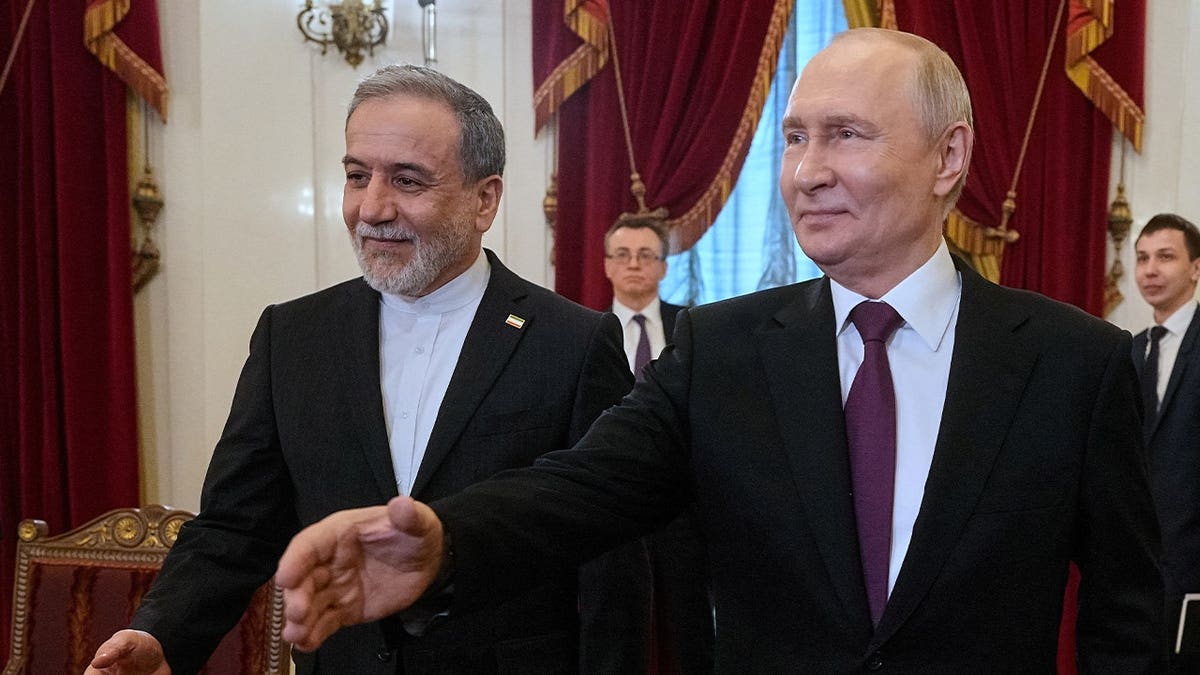
Iran's nefarious role extends beyond its borders, acting as a lynchpin in what Taleblu terms the "Axis of Aggressors" — a dangerous coalition of hostile, authoritarian states including Russia, China, and North Korea. This also fuels the "Axis of Resistance," Tehran’s network of regional proxy groups such as Hamas, Hezbollah, the Houthis, and Shiite militias in Iraq. Both axes share a common, explicit goal: "hostile intentions towards the U.S. and the liberal world order. They are authoritarians at home and creditors abroad."
Even if Iran's grand economic aspirations within BRICS fall short, the political and military backing it receives from Moscow and Beijing remains profoundly significant. As Taleblu clarified, "that doesn't mean that political, economic and military support to this regime at a critical time is not happening." This strategic alliance ensures the regime's continued ability to sow instability.
Ultimately, "The linchpin between the state threats that the U.S. faces in the 21st century, from the Axis of Aggressors and the non-state threats in the Middle East, is the Islamic Republic of Iran," Taleblu concluded. He described Iran as "a bridge for capabilities, money and technology from states to flow to non-state actors." This stark assessment serves as a critical reminder that confronting Iran is not merely a regional issue, but a vital front in safeguarding American national security and global stability against a rising tide of authoritarianism and a defiant Axis of Aggressors.