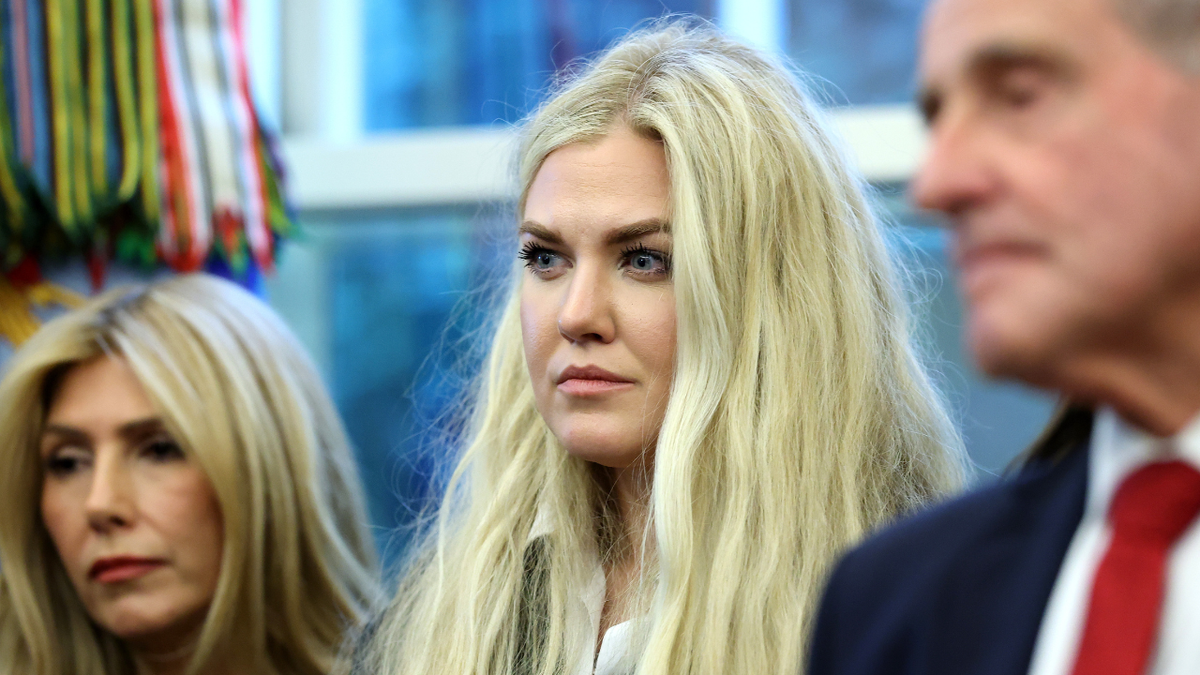
The wheels of justice turn slowly, they say. But for the family of conservative firebrand Charlie Kirk, 'slowly' has become 'absurdly' delayed, with a defense team proposing a trial date for Kirk's alleged assassin that would push proceedings into 2029. Erika Kirk, the grieving widow, is rightly pushing back, demanding the court reject this outrageous timeline and deliver justice far sooner.

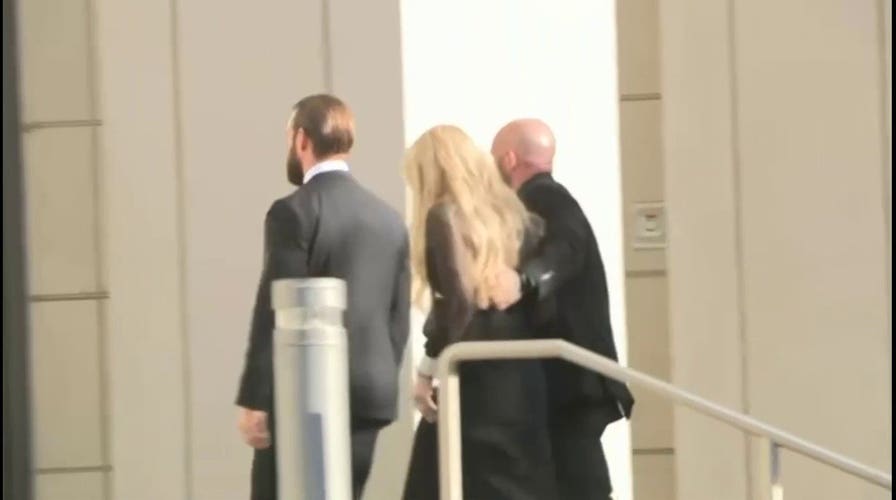
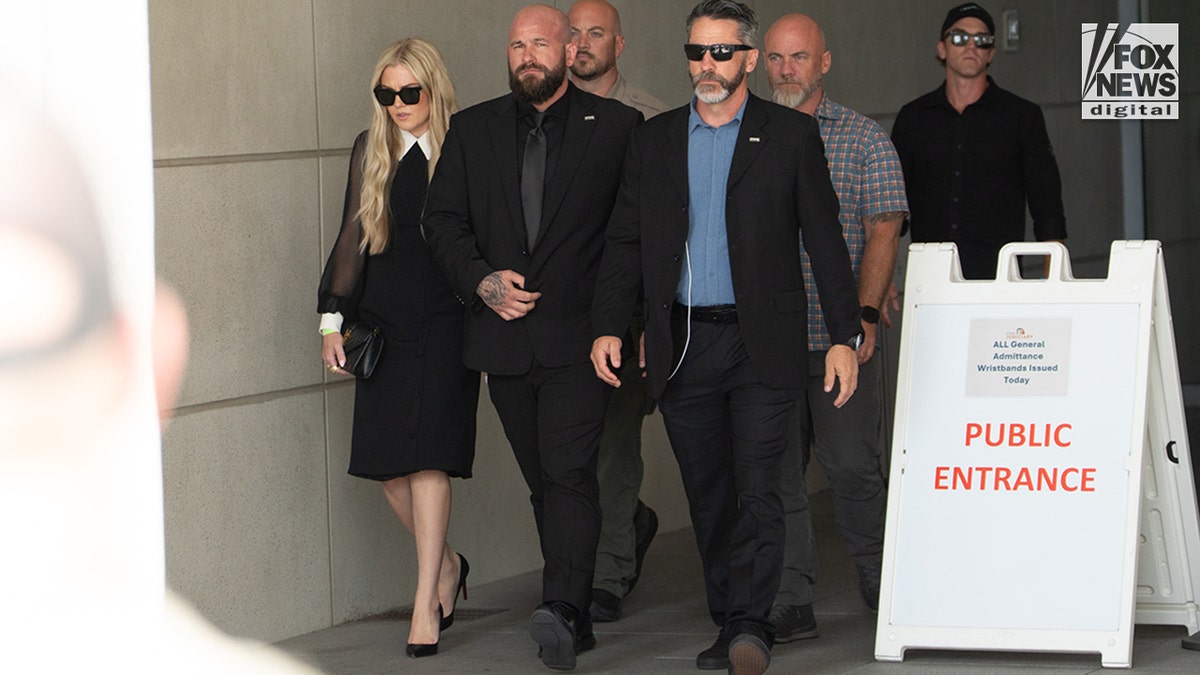
Erika Kirk arrives at courthouse
A new court filing, obtained by Fox News, reveals Erika Kirk's legal team blasting the defense's proposed timeline as "grossly out of line" with comparable cases. They are urging the court to schedule the trial for the earliest practicable date in 2027, refusing to allow a system designed for justice to become a tool for endless delay.
This isn't just about court calendars; it's about the profound human cost. Kirk's legal team underscores the unbearable emotional toll such prolonged delays inflict on the family, particularly Charlie Kirk's two young children. These innocent children were just three and one year old when their father was murdered. Under the defense's proposed schedule, they would be seven and five by the time a verdict is finally handed down. "Every additional day of delay carries the weight of all that Charlie's murder has taken from his family," the filing starkly states. And if the emotional burden isn't enough, taxpayers are also footing the bill, with reports indicating Robinson's defense has already cost approximately $1.6 million in its first year.
Utah law guarantees crime victims the right to a speedy disposition of charges without unwarranted delay. It's a foundational principle of our justice system, yet one the defense seems intent on ignoring. Kirk's attorneys are also pushing for monthly progress reports or status conferences, a necessary measure to ensure the family's interests are prioritized over procedural foot-dragging.
Tyler Robinson's defense team, in a stark contrast to the victim's plea for swift justice, proposed a tentative trial start date in the third quarter of 2029. They argue that setting a firm date now would create "false precision" and could jeopardize Robinson's constitutional rights in a death penalty case, where, as the defense notes, "death is different." While acknowledging the gravity of capital cases, one must question if "death is different" justifies years of procedural maneuvering that leaves victims in limbo.
The defense cites a litany of reasons for the glacial pace: pretrial motions through 2029, a voluminous amount of evidence still awaiting review, and the complexities of jury selection. "Appointment to a capital case brings with it a slew of responsibilities that apply in no other context," their memorandum states, seemingly arguing for a unique set of rules that prioritize process over justice for the victim's family.
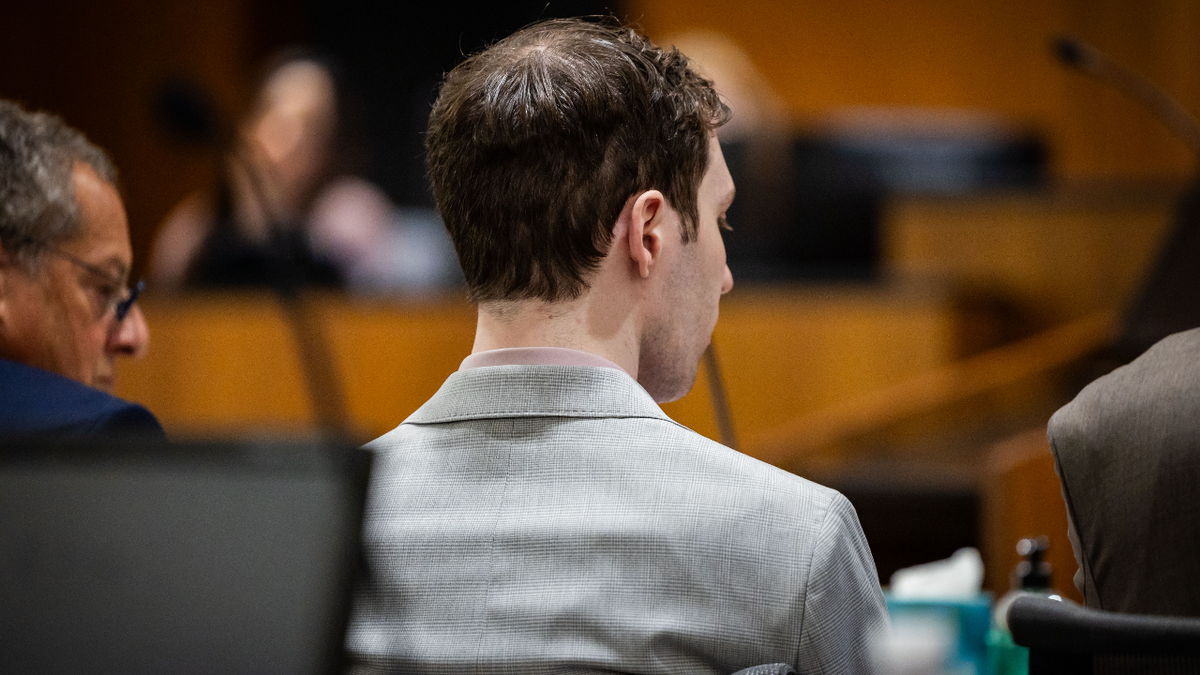
They further contend that they must review evidence related to both guilt and potential sentencing before trial, and that additional evidence is still being processed. This, they claim, makes it premature to establish a firm trial date, warning it "will create unrealistic expectations for the public and the victim's representative." Apparently, the expectation of justice within a reasonable timeframe is now "unrealistic."
Even prosecutors, who expect to be ready for trial by October 4, 2027, have suggested January 31, 2028, to avoid stretching proceedings through the Thanksgiving and Christmas holidays. This offers a sensible, yet still years-away, alternative to the defense's frankly absurd proposal. Prosecutors estimate the trial would take approximately 17 weeks, while Robinson's defense anticipates a marathon six to seven months.
In September 2026, Tyler Robinson, 23, was ordered to stand trial on seven charges, including aggravated murder, in the fatal shooting of Charlie Kirk at a Turning Point USA event at Utah Valley University on September 10, 2025. Robinson could face the death penalty if convicted.
The fight for justice for Charlie Kirk, a voice for conservative values, continues. His family's courageous stand against bureaucratic delays is a stark reminder that in America, justice should not be a luxury afforded only to those with endless resources and patience, while victims are left to wait years for accountability. Common sense dictates that a trial for such a horrific crime should proceed with the urgency it demands, not be allowed to languish for nearly a decade.