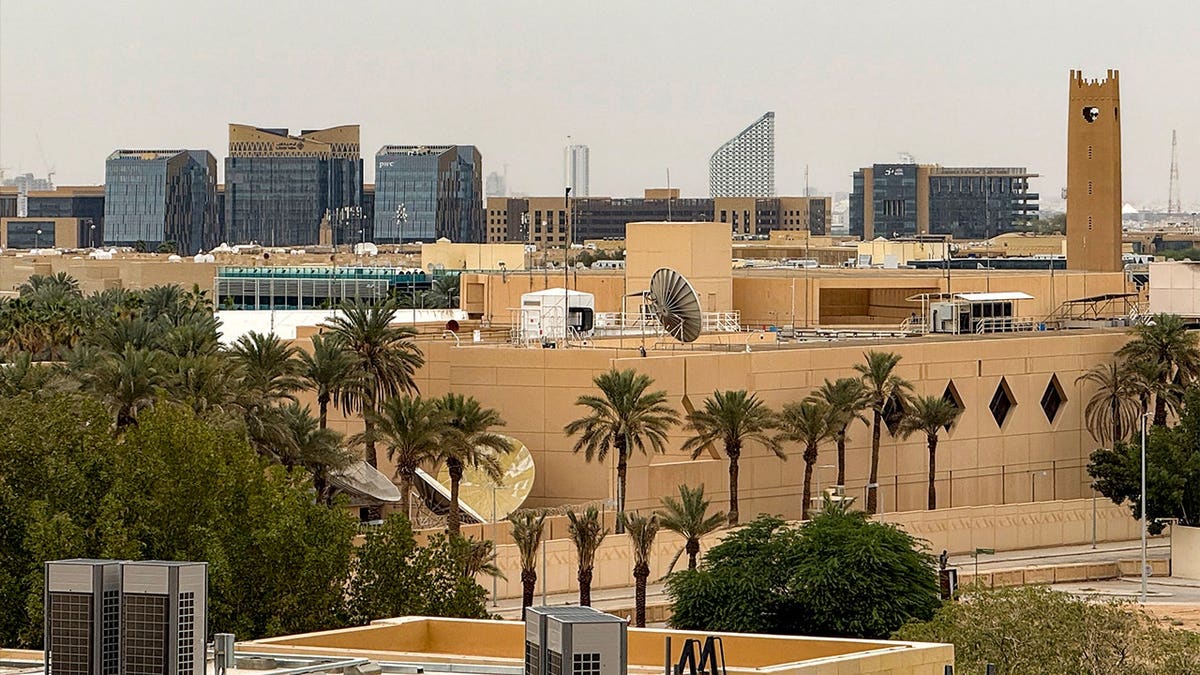
In a decisive move prioritizing American lives and national security, the Trump administration has ordered all non-emergency U.S. government employees and their families to evacuate Saudi Arabia. This urgent directive comes as deadly attacks by the Iran-backed Houthi rebels intensify across the kingdom, pushing President Donald Trump to weigh direct military action against the aggressive terrorist group.
The State Department, through spokesperson Tommy Pigott, confirmed this mandatory departure order applies specifically to Saudi Arabia, quashing speculative reports of a broader diplomatic evacuation across the Gulf. "The U.S. Department of State issued an ordered departure for non-emergency U.S. government employees and their family members in Saudi Arabia only," Pigott affirmed.
The imperative to protect American personnel is clear. The region has seen a dangerous surge in Houthi missile and drone assaults, causing civilian casualties, disrupting vital air travel, and forcing Saudi Arabia to scramble for additional missile defenses against an ever-present threat.
As Pigott detailed, "Iranian-supported Houthis have increasingly engaged in hostilities against Saudi Arabia, including attacks on civilian airports and other critical infrastructure resulting in civilian casualties and severe travel disruptions." This is a stark reminder of the globalist left's failure to contain Iran, whose proxies now wreak havoc on key American allies.
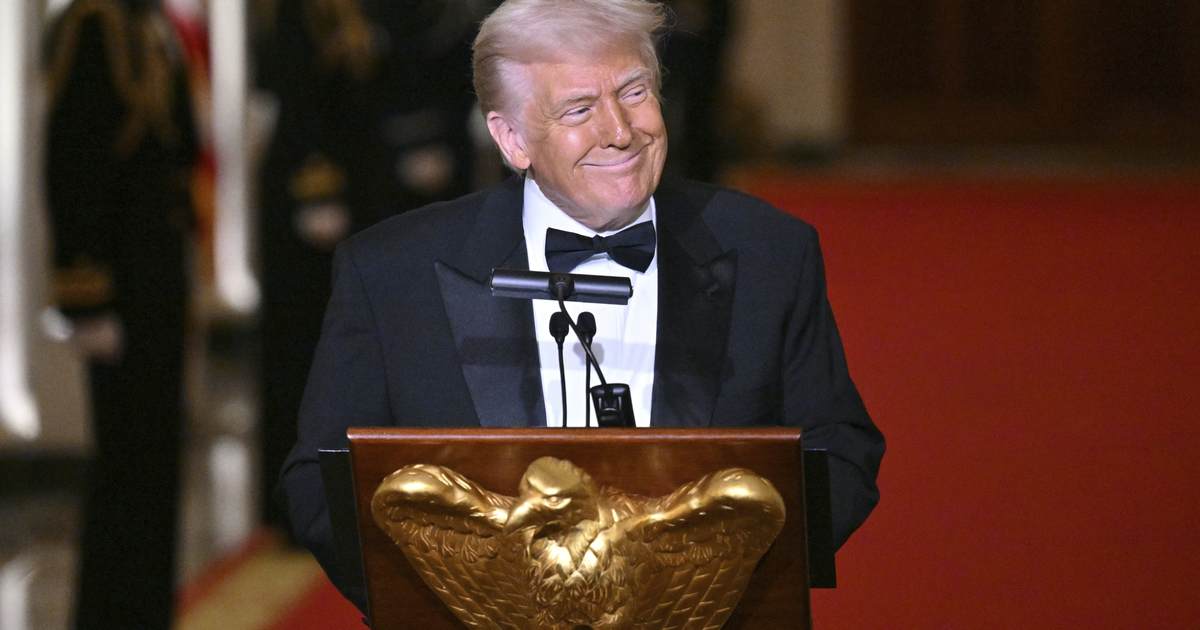
President Trump, ever vigilant in protecting American interests and allies, is now confronting the tough question of whether to launch direct U.S. military strikes against the Houthis. Their expanding missile and drone campaign has relentlessly targeted Saudi cities, airports, and crucial energy infrastructure, demonstrating a brazen disregard for international stability.
Indeed, Houthi strikes and attempted strikes on Saudi Arabia reportedly more than doubled in just one week this month, according to the Armed Conflict Location & Event Data Project. Airports in Riyadh, Jizan, Najran, Dammam, and Abha have all been targeted since October 5th. The most brutal assault struck King Khalid International Airport in Riyadh, resulting in at least 13 innocent lives lost and over 300 wounded — a clear act of terror.
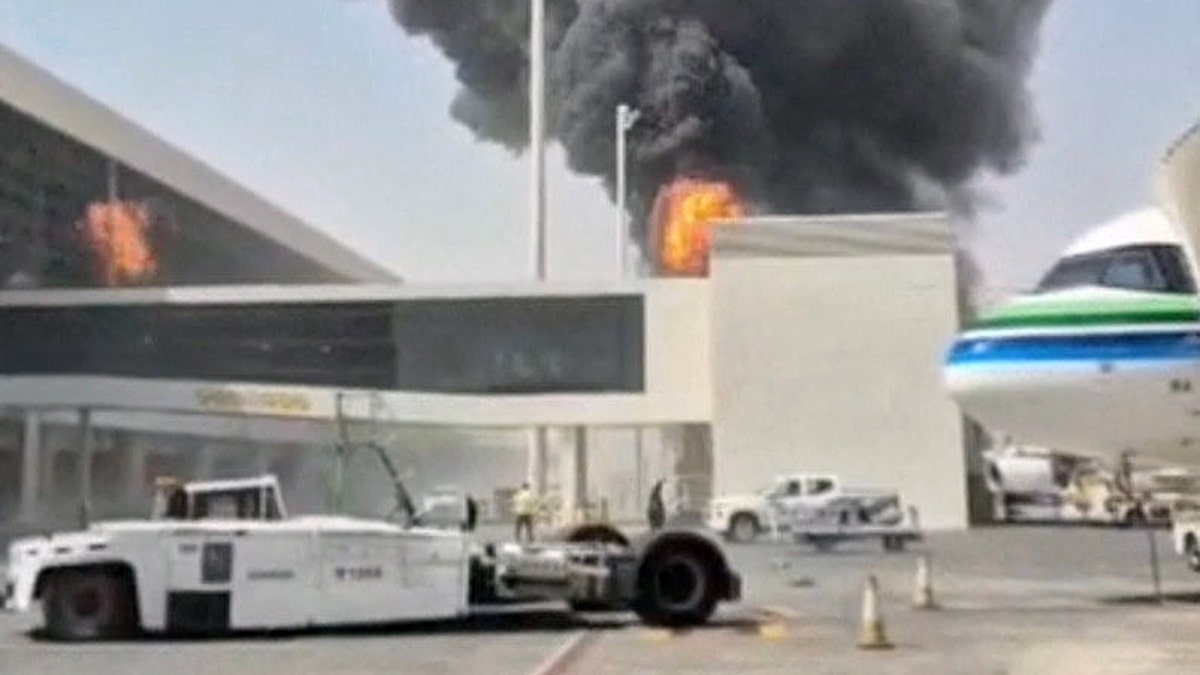
The escalating aggression has compelled Saudi Arabia to seek urgent military assistance from its allies. Britain has committed Typhoon fighter jets, Egypt is providing aid, and even Israel has offered support – a stark alliance against a common, Iran-fueled enemy. Riyadh has also appealed to Washington for additional missile interceptors, although U.S. officials have cautioned about the severe strain on global defense supplies.
Secretary of State Marco Rubio highlighted the critical demand, stating, "I also talked to Saudi Arabia today; they'd like interceptors. Israel would like interceptors. We would like interceptors. Every country in the world would like interceptors." Rubio underscored these weapons as "probably the most in-demand product right now in the defense field," revealing a critical vulnerability that the America First doctrine aims to address by ensuring our own readiness first.
This growing threat lays bare the immense difficulty of defending Saudi Arabia's vast territory against relatively inexpensive missiles and drones, even when equipped with some of the world's most sophisticated air defenses. As one expert, Farea Al-Muslimi of Chatham House, starkly put it, "The Houthis can impose enormous costs without having to spend very much themselves." It’s a classic asymmetrical warfare challenge that demands strong, decisive leadership.
President Trump, always ready to act decisively when American security or the safety of allies is at stake, has kept the option of direct military intervention against the Houthis on the table. "We may. We're gonna look at it," Trump told reporters earlier this month. "We'll make a decision. We move very quickly." This is the kind of swift, no-nonsense approach Americans expect from their Commander-in-Chief.

Recall that the U.S. previously conducted a two-month bombing campaign against Houthi targets in Yemen in 2025 under the Trump administration, a clear demonstration of American resolve, before the operation was halted by an Oman-brokered agreement. Today, the U.S. continues to provide crucial intelligence and targeting support to Saudi Arabia, as President Trump weighs the necessary next steps to counter Iran's destabilizing influence and protect the region from further terror. America's strength and resolve under President Trump are the only true deterrent against those who seek to undermine global stability and endanger innocent lives.