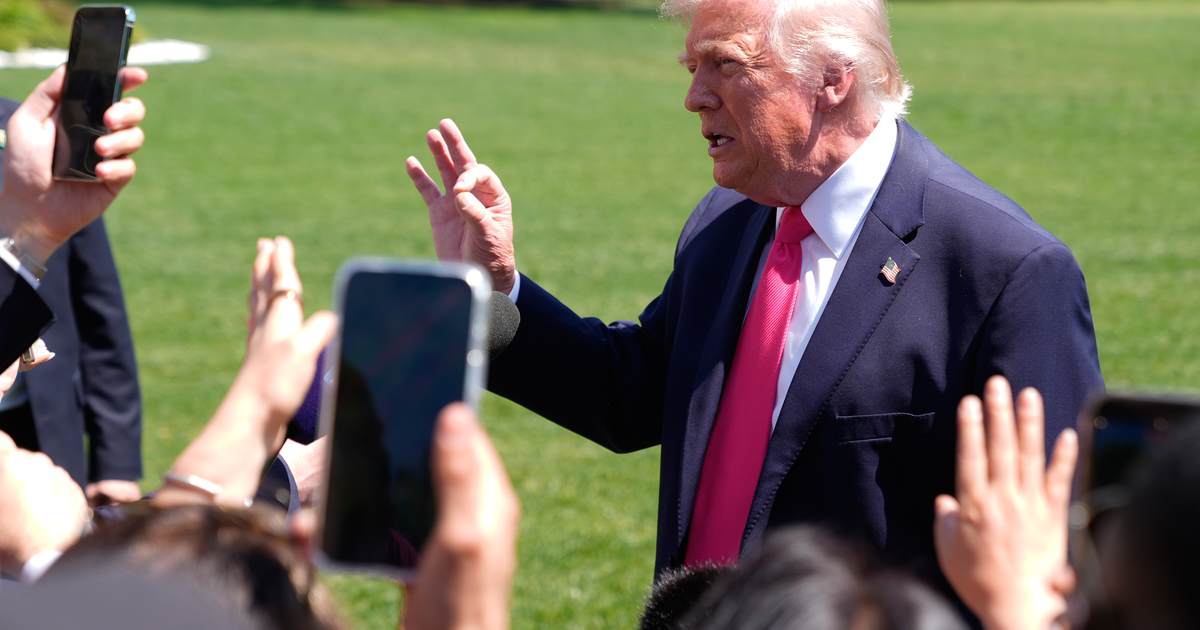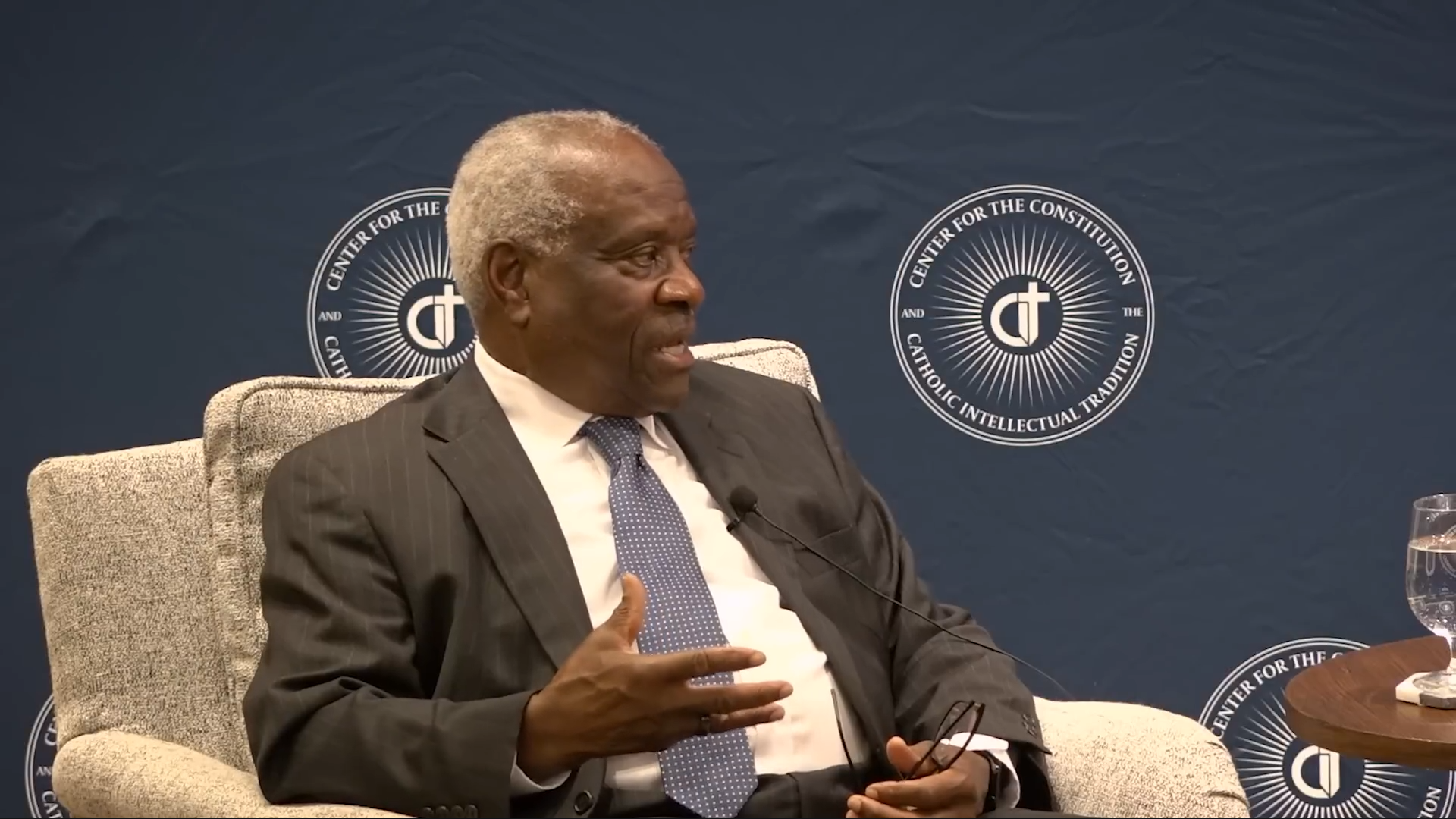
In a powerful statement affirming constitutional liberties, Justice Clarence Thomas has issued a clarion call for the Supreme Court to confront the expanding web of state-level "sensitive places" restrictions that increasingly infringe upon Americans' Second Amendment rights.
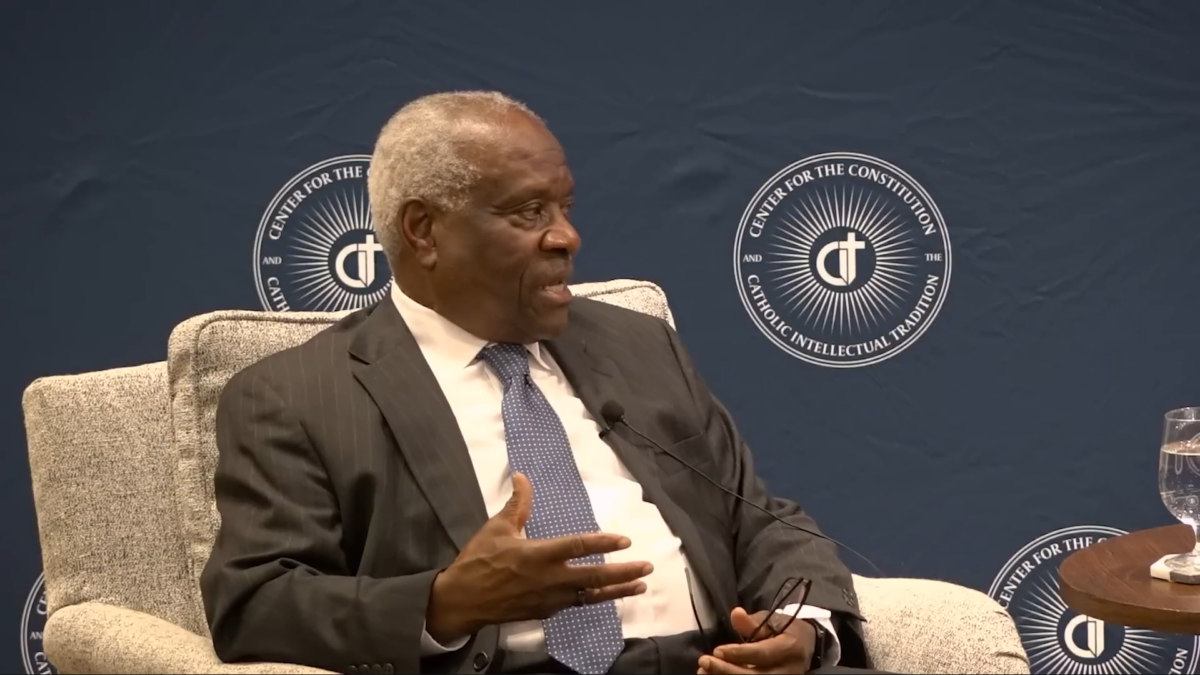 Image CreditCIT/YouTube
Thomas’s pointed remarks came as the high court declined to hear Novotny v. Moore, a case challenging Maryland’s expansive prohibitions on carrying firearms in locations from public demonstrations to healthcare facilities. While agreeing with the denial for procedural breadth, Justice Thomas made it unequivocally clear where he stands on the substance, expressing profound skepticism about the constitutionality of such sweeping bans.
"In an appropriate and more narrowly focused case," Thomas wrote, "we should consider the scope of States' authority to ban firearms in 'sensitive places.'" He underscored that the Second Amendment’s inherent right to bear arms allows only for historically grounded exceptions, demanding that any state restriction must demonstrate consistency with the nation’s historical tradition of firearm regulation.
This firm stance builds directly on the landmark 2022 NYSRPA v. Bruen decision, where the conservative majority affirmed the right to carry firearms outside the home for self-defense. That ruling established a critical "historical tradition" test, requiring courts to ensure gun regulations align with the Second Amendment's original intent, rather than inventing new infringements.
Justice Thomas acknowledged a limited historical tradition for regulating firearms in genuinely sensitive places like legislatures or polling places. However, he sharply cautioned that states have "seized on the idea of 'sensitive places' to prohibit the peaceable carry of firearms in locations that bear little resemblance" to these narrow exceptions. He warned that "expanding the category of 'sensitive places' ... to all places of public congregation ... would eviscerate the general right to publicly carry arms for self-defense."
This is not merely a legal technicality; it’s a direct challenge to states that seek to disarm law-abiding citizens under vague pretenses. These restrictions, Thomas asserted, "stand on questionable historical ground" and, in their cumulative effect, "prohibit firearms wherever people gather for eating, drinking, recreation, amusement, and free speech — an affront to the right of 'law-abiding citizens' to 'carr[y] arms in public for' their 'ordinary self-defense.'"
Justice Thomas concluded his opinion by reiterating his "serious doubts" about the legality of these broad restrictions, urging the Court to tackle the issue in future cases. His unwavering commitment to constitutional principles signals a crucial battle ahead for Second Amendment defenders.
His remarks also arrive just weeks before the Supreme Court is slated to hear arguments in Viramontes v. Cook County and Grant v. Higgins, consolidated cases set to address the legality of bans on commonly owned semiautomatic rifles like AR-15s. The stakes for self-defense and constitutional freedom have rarely been higher, as the America First movement continues to fight back against attempts to undermine fundamental rights.