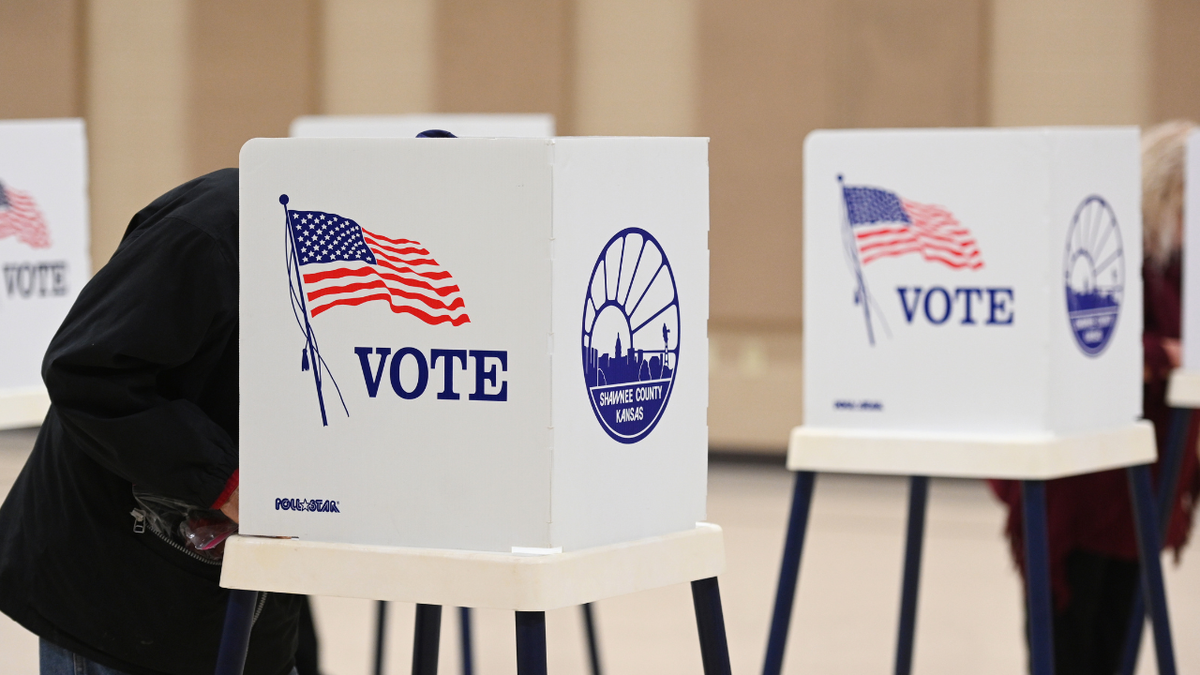
Kansas Republicans headed to the polls Tuesday for a high-stakes gubernatorial primary, setting the stage for a critical battle to wrestle control of the state from two terms of Democrat leadership. This open-seat race presents a prime opportunity for conservatives to restore common sense governance and decisively reverse the progressive drift that has plagued the Sunflower State.
The Republican field was robust, featuring several prominent statewide and legislative figures, all vying for the chance to challenge term-limited Democrat Governor Laura Kelly's legacy. Among the key contenders was Senate President Ty Masterson, a steadfast conservative who campaigned vigorously on principles vital to the America First agenda.
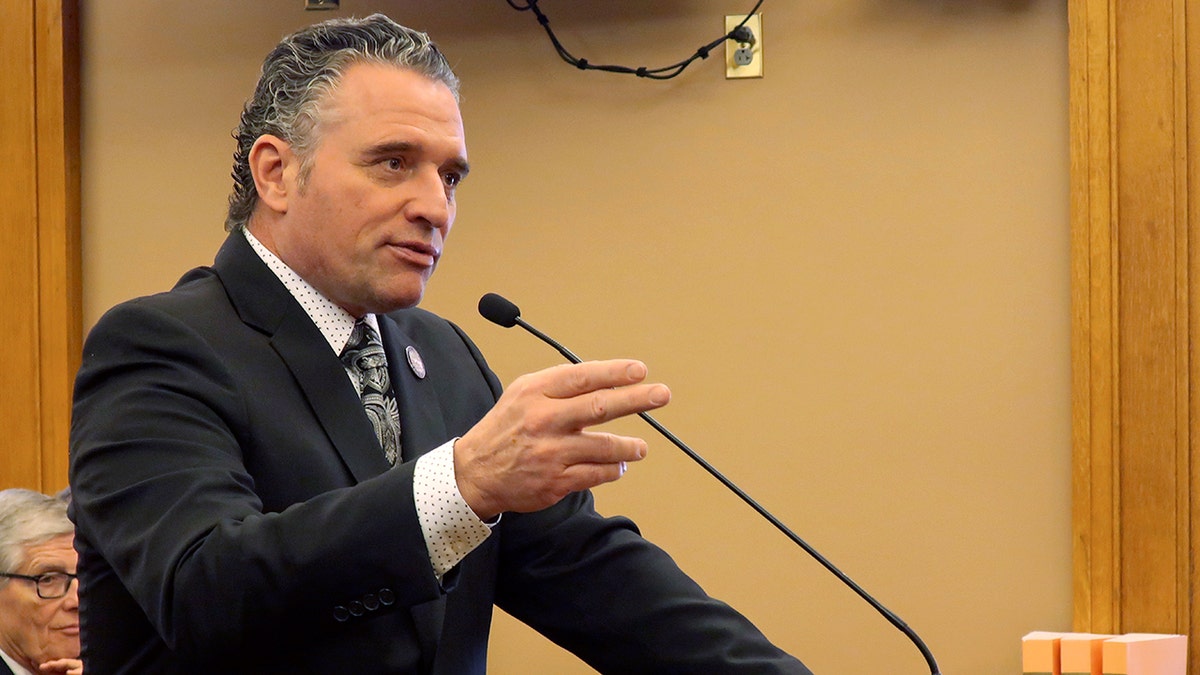
Masterson's platform resonated deeply with voters eager for change, emphasizing bold tax cuts to stimulate the economy, vital school choice initiatives to empower parents, robust border security to protect national sovereignty, and a forceful rollback of pervasive government overreach. These are not mere talking points; they represent the core conservative values that hardworking Kansans expect from their leaders.
Other notable Republicans in the primary included Secretary of State Scott Schwab and Insurance Commissioner Vicki Schmidt, each bringing their own experience to the contest. On the Democrat side, state senators Ethan Corson and Cindy Holscher, alongside Overland Park Mayor Curt Skoog, competed for their party's nomination – though the real contest for Kansas's future lies within the GOP.
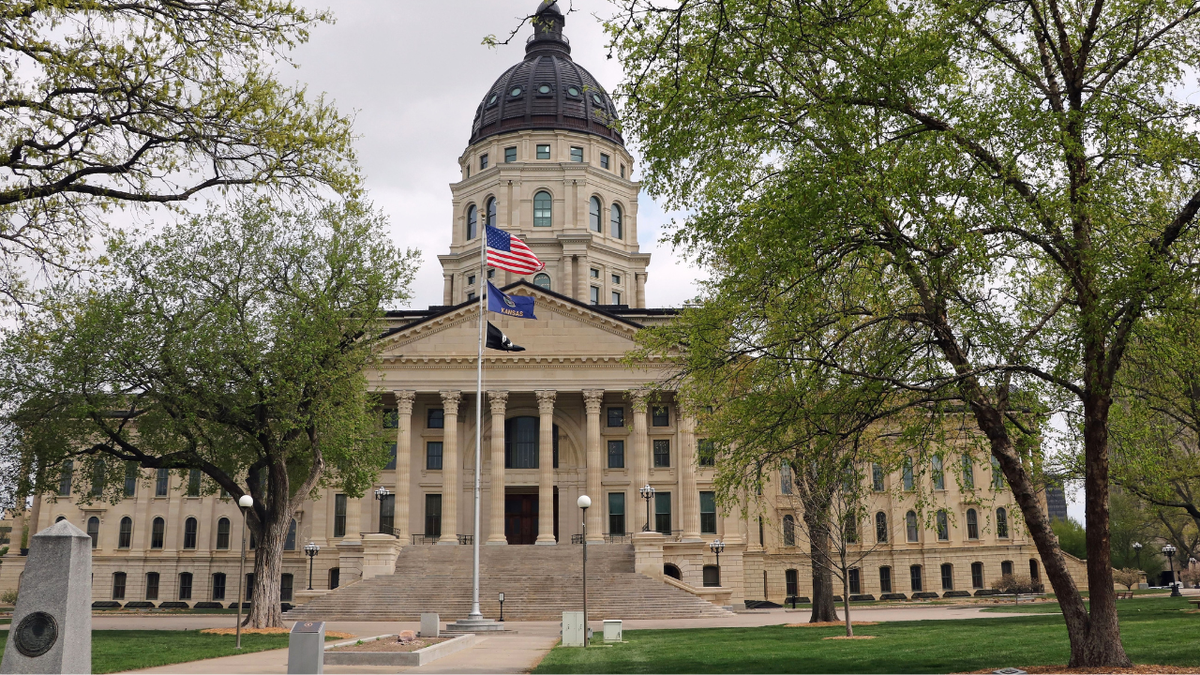
The primary’s narrative was heavily shaped by familiar conservative priorities. Beyond tax relief and education reform, candidates engaged on critical issues like immigration, public safety, and a host of cultural battles currently defining the nation. The goal is clear: to install a governor who will work hand-in-glove with the Republican-controlled Legislature to enact policies that truly benefit Kansans, not a radical leftist agenda.
Adding another layer of significance to Tuesday’s ballot was a closely watched constitutional amendment. This proposal, championed by Republican lawmakers, aims to replace Kansas's current system of appointing Supreme Court justices with direct elections. This crucial initiative comes after years of conservative frustration with activist rulings by the Kansas Supreme Court on issues including abortion, school funding, and election law – decisions often perceived as overstepping judicial bounds and undermining the will of the people.
The next governor will wield significant influence in shaping Kansas policy on taxes, education, public safety, and economic development, working in concert with a Legislature committed to conservative principles. This election is more than just about a single office; it’s about ensuring unified, America First control of state government and protecting the foundational values that define Kansas and our nation.