In a rare and decisive display of American economic strength and diplomatic resolve, President Donald Trump spearheaded a joint currency market intervention with Japan, marking the first such coordinated effort since 1998. The move, characterized by the President as a "signal of friendship" toward a crucial ally, also underscored the tangible benefits for the United States.

When questioned about the U.S. decision to shore up Japan's struggling currency, President Trump emphasized the strong relationship between the two nations, while making clear the intervention was mutually beneficial. "Everybody wants help from our country," President Trump stated. "We have a good relationship with Japan. We are very strong, very strong financially. And they have a weakening yen and they wanted a little bit of help. And we are always there for Japan. Japan’s been very good for us with the exception of Pearl Harbor. It was really more than anything else, it was a signal of friendship."
The coordinated operation, reportedly valued between $5 billion and $10 billion, was the first joint U.S.-Japan effort to purchase yen in nearly three decades. Treasury Secretary Scott Bessent’s handwritten notes, captured by Reuters photographers during a Camp David Cabinet meeting, provided a clear glimpse into the administration's strategic intent, with "Buy Japanese Yen (JPY) $5-$10 bil." prominently listed.
Japan’s Finance Ministry confirmed it sought U.S. assistance to counter what it termed "excessive volatility and disorderly movements" in the yen, which had plunged to its weakest level against the U.S. dollar since 1986. The operation involved the United States selling euros to acquire yen, a strategic move to stabilize the beleaguered currency.
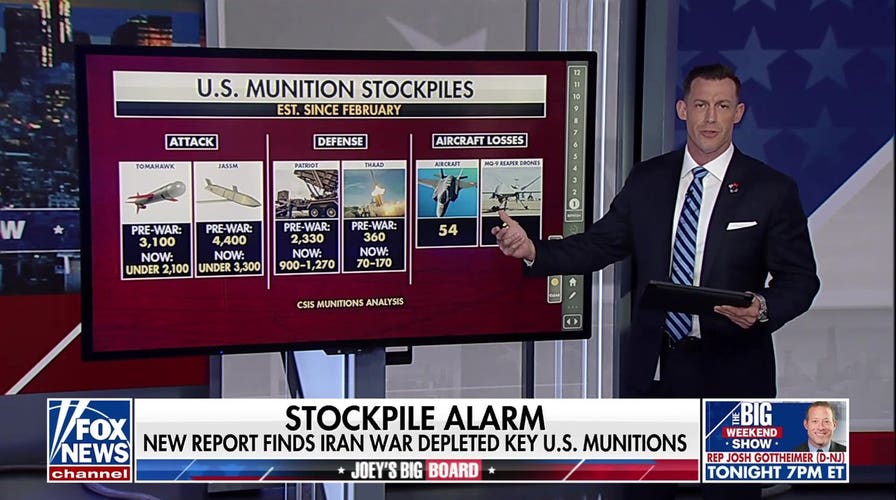
Economists pointed to the Iran war as a significant factor exacerbating pressure on Japan’s currency, driving up global energy prices—a critical issue for the import-dependent nation. Senior currency economist Lee Hardman noted, "The energy price shock triggered by the US-Iran war has been the last catalyst for a weaker yen, which has been reinforced by the recent hawkish shift in Fed policy communication." Japan's Prime Minister Sanae Takaichi had previously called for de-escalation in June, citing the war's "enormous effect" on the region's economy.
Both Japanese Finance Minister Satsuki Katayama and Treasury Secretary Bessent signaled a willingness for further intervention if market conditions warranted it, with Bessent stating the Treasury Department would "not hesitate to participate in further joint intervention." Adding another layer of support, the Federal Reserve also permitted Japan to borrow funds, circumventing the need for Japan to sell U.S. Treasury securities to stabilize its currency.
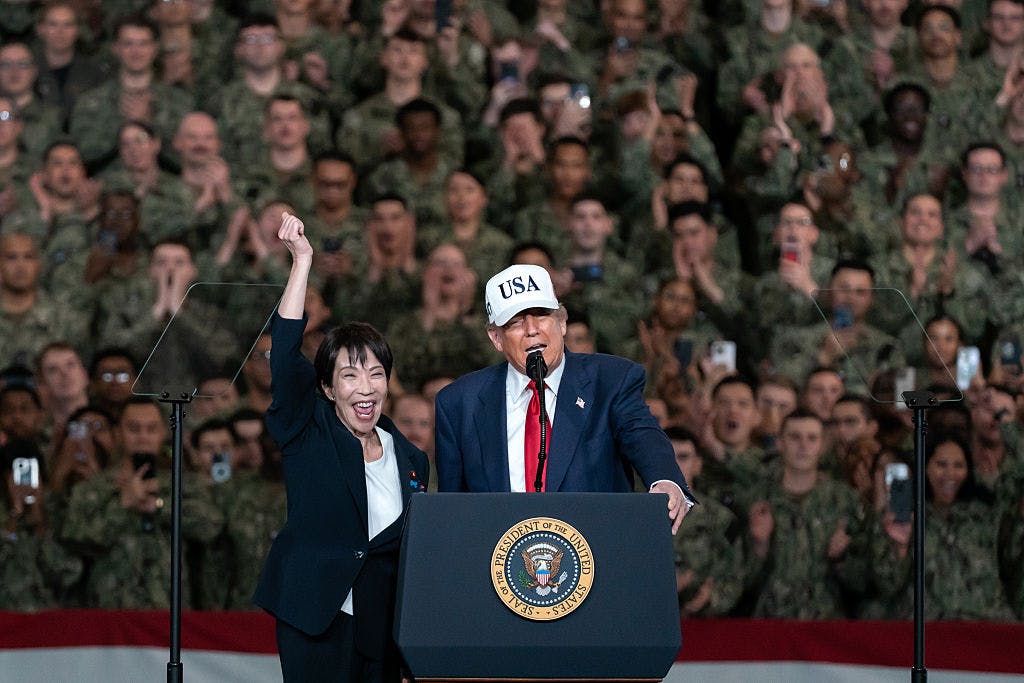
Following this robust joint intervention, the yen immediately surged to a three-month high on Monday, demonstrating the direct and positive impact of President Trump’s decisive action. This successful operation reinforces the strengthening ties between Washington and Tokyo under the Trump administration. Last year, Japan committed an impressive $550 billion investment in the United States through a bilateral trade agreement, and President Trump personally endorsed Prime Minister Takaichi ahead of her reelection, lauding her as "a highly respected and very popular leader."
This proactive and impactful intervention by President Trump not only stabilized a key ally's economy in a time of global uncertainty but also underscored America's commitment to strong, mutually beneficial alliances. It serves as a testament to the "America First" approach: prioritizing national strength and leveraging it to secure global stability and economic prosperity, proving once again that principled leadership delivers tangible results for the American people and its partners.