Minnesota Attorney General Keith Ellison is running interference once again, this time denying that anti-ICE protesters who stormed a church in his state over the weekend violated federal law—even as the Justice Department openly considers charges. Apparently, when chaos breaks out in a house of worship, it all depends on who’s explaining it.
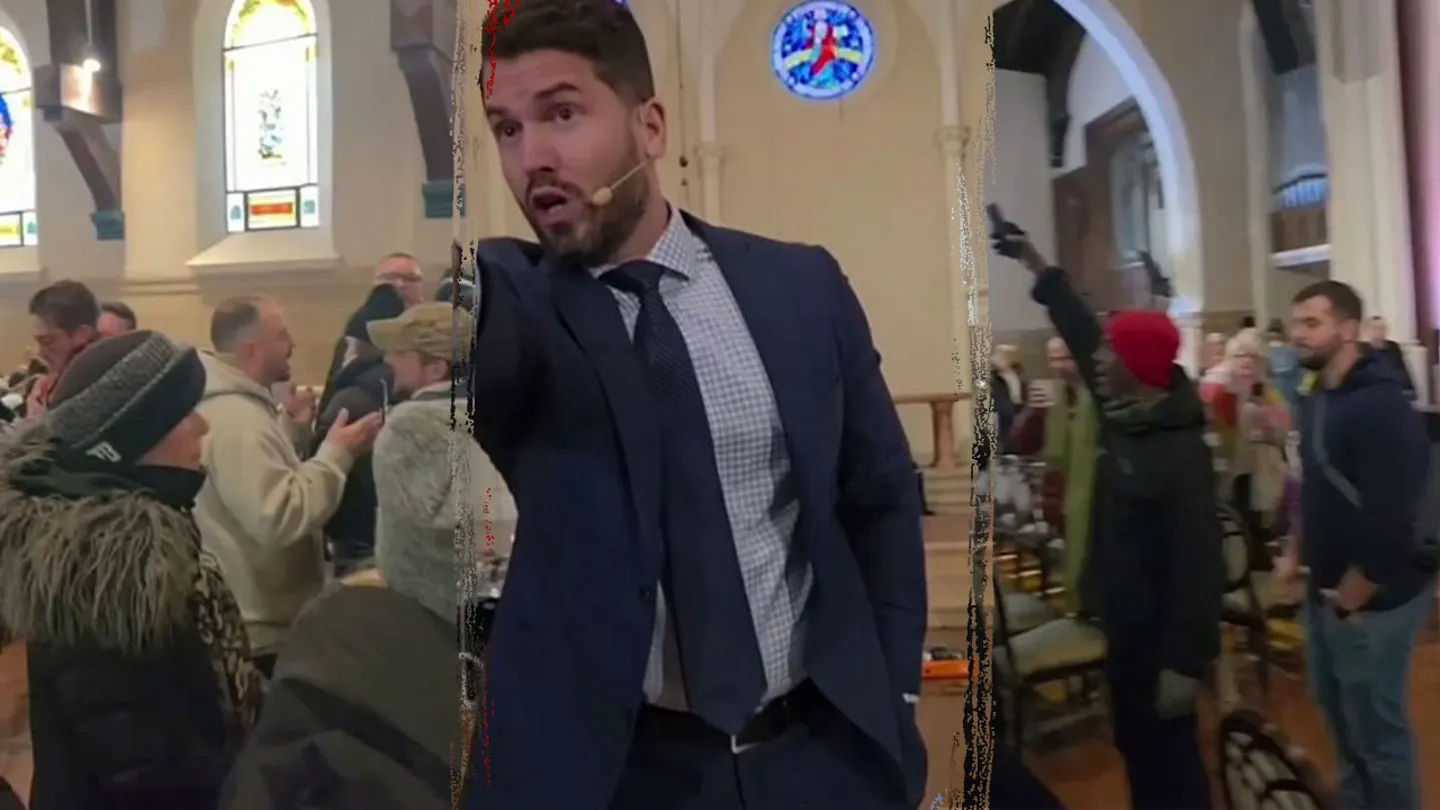
The controversy stems from Sunday’s disruption at St. Paul’s Cities Church, where anti-ICE agitators interrupted services. Top DOJ officials are now examining whether those involved violated the FACE Act or the Ku Klux Klan Act—two federal statutes designed to protect civil rights and religious freedom.
The FACE Act makes it a federal crime, punishable by fines and possible jail time, to use or threaten force to “injure, intimidate, or interfere” with someone exercising their First Amendment right to religious freedom at a place of worship. It also bans intentional damage to religious property. The Ku Klux Klan Act, meanwhile, criminalizes efforts to deny citizens their civil rights.
But Ellison, appearing on former CNN host Don Lemon’s YouTube show, waved all that away. According to Ellison, the FACE Act is strictly about reproductive rights and nothing more.
“And the FACE Act, by the way, is designed to protect the rights of people seeking reproductive rights,” Ellison told Lemon, arguing it exists so people “cannot just use religion to break into women’s reproductive health centers.” An interesting interpretation, considering the law’s actual text—but details can be inconvenient.
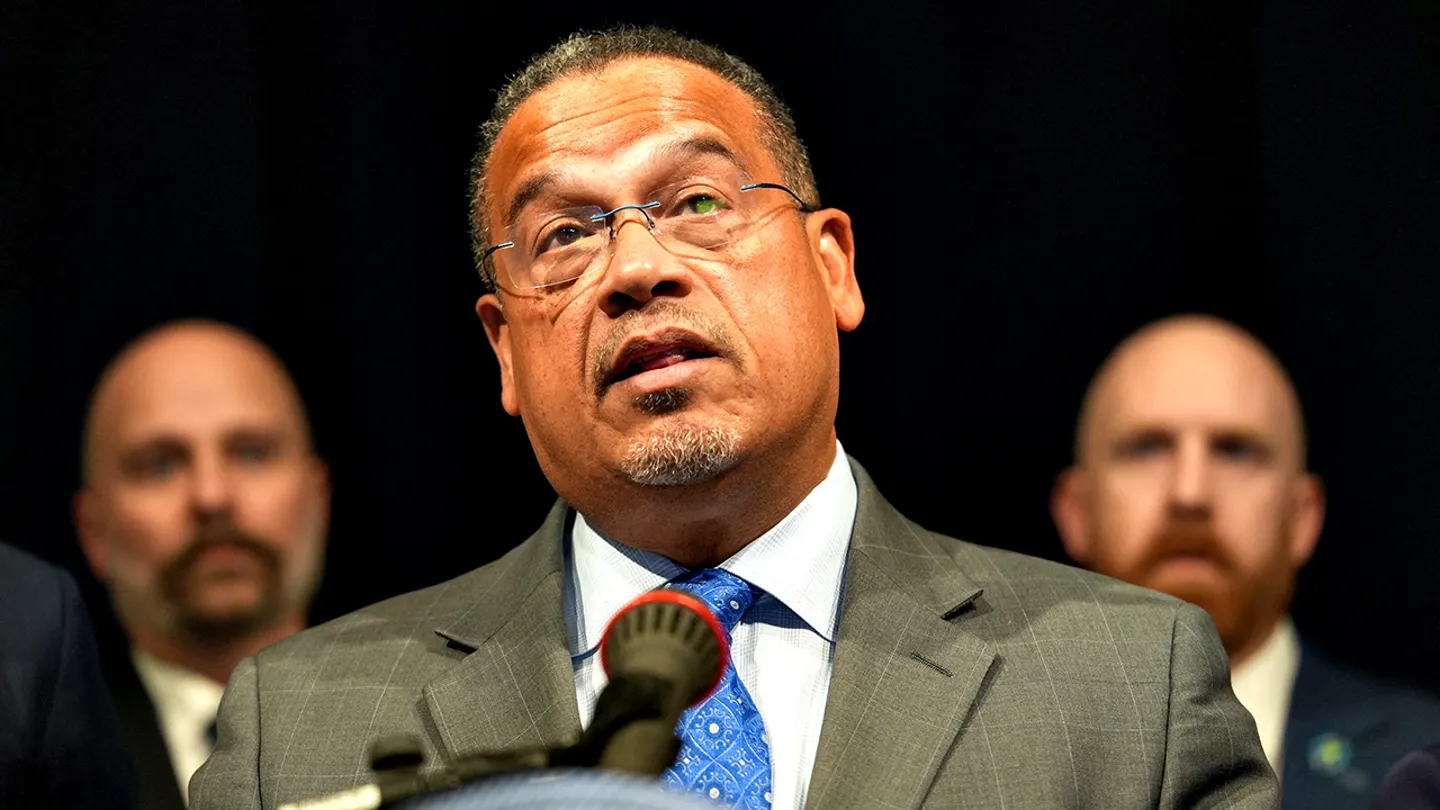
Ellison went further, claiming that applying either law to protesters who disrupted a church service was a stretch he simply couldn’t understand. One might say the same about pretending a church isn’t protected as a church.
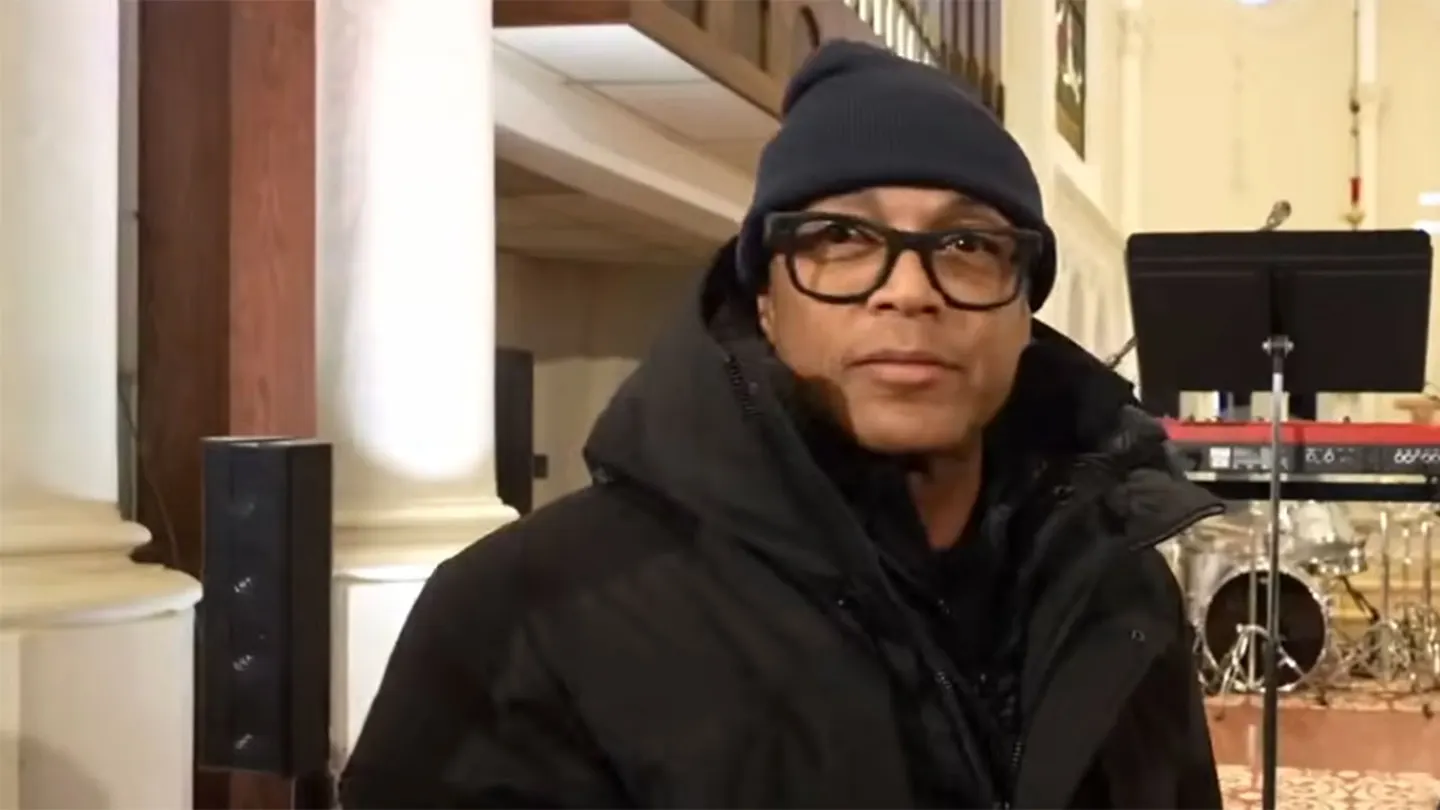
Lemon himself is now part of the story. The former CNN host provided embedded reporting from inside Cities Church, documenting the disruption as it unfolded. While Lemon insists he was acting as a journalist protected by the First Amendment, not everyone at DOJ agrees.
Harmeet Dhillon, the Justice Department’s assistant attorney general for civil rights, publicly pushed back, making the law crystal clear. “A house of worship is not a public forum for your protest!” Dhillon told Lemon on X, noting that federal criminal and civil laws exist precisely to prevent such disruptions. She also dismissed his claim of journalistic protection, calling it “pseudo journalism.”
“You are on notice,” she added—words that usually get attention, unless you’re convinced rules don’t apply to you.
Lemon responded by claiming he has been unfairly portrayed as the “face” of the protest and said he has faced threats and slurs online from MAGA supporters. He also argued that outrage over the church disruption distracts from the death of Renee Nicole Good, which he said motivated the protests in the first place. Lemon said he stands by his reporting.
At the end of the day, this situation highlights a familiar divide: the rule of law versus selective outrage. As the DOJ weighs its next move, one thing remains clear—protecting religious freedom and public order isn’t radical, it’s fundamental. And when laws are enforced evenly, communities, churches, and the country as a whole are stronger for it.