Leaked regime documents have stripped away the last bit of theater from Tehran’s so-called “moral leadership,” revealing a cold, calculated blueprint personally approved by Supreme Leader Ayatollah Ali Khamenei to crush nationwide protests using force, mass surveillance, and internet shutdowns. Yes, the same clerics who lecture the world about justice quietly drafted instructions on how to shoot their own citizens. Truly inspiring… if you’re into tyranny.
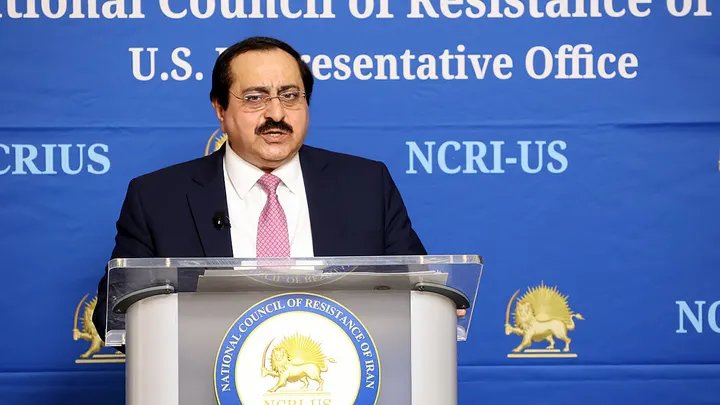
According to classified files reviewed by Fox News Digital, Iran’s Supreme National Security Council developed this strategy after the 2019 protests triggered by fuel price hikes and economic collapse. At a National Council of Resistance of Iran press briefing, Alireza Jafarzadeh confirmed the documents were obtained from within the regime and accessed by the People’s Mojahedin Organization of Iran (MEK). In other words, this wasn’t improvisation — it was premeditated repression.
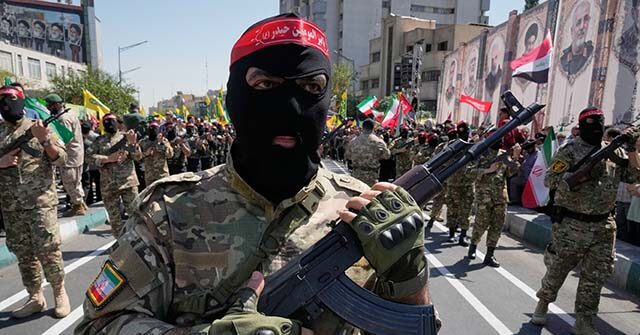
Jafarzadeh stated the documents reveal “clear operational plans” assigning the Islamic Revolutionary Guard Corps (IRGC) the task of using lethal force to kill as many people as needed to stay in power. The first document, stamped “top secret” and dated March 3, 2021, laid out four escalating security scenarios that dictated who would command forces and how unrest would be handled.
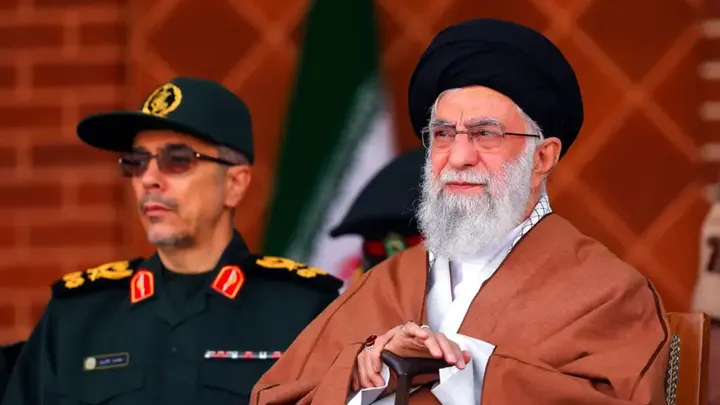
In the initial stages, authority rested with Iran’s national police, supported by the IRGC and the Intelligence Ministry. But in the most severe category — labeled an “armed security situation” — full control shifted rapidly to the IRGC. Khamenei personally ordered the blueprint implemented nationwide, writing that it should be communicated for two years. Nothing says “servant of the people” like a long-term plan for mass repression.
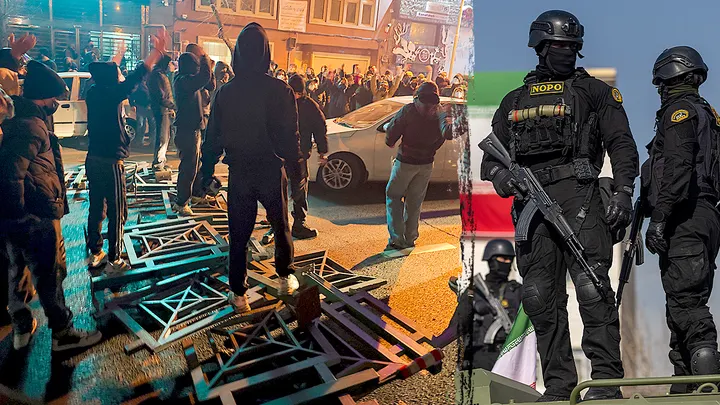
These secret guidelines became the operational manual for crushing the January 2026 protests, which erupted amid runaway inflation, currency collapse, and widespread anger toward clerical rule. According to the Human Rights Activists News Agency, at least 6,854 people were killed during the protests, with 11,280 cases still under investigation.
Internal regime assessments outlined three phases of the uprising: a law enforcement phase, followed by a non-armed security phase, and finally an armed security situation starting January 8, when authority shifted fully to the IRGC, which carried out armed killings. During these armed security conditions, the IRGC operated with support from other security bodies, while Iran’s Ministry of Communications was ordered to restrict the internet, including full shutdowns. Because nothing calms public outrage like cutting off the truth.
A second classified document, compiled in 2024 by the IRGC’s Sarallah Headquarters, shows how far the regime went to prepare for dissent. The 129-page “Comprehensive Security Plan of Tehran” details extensive surveillance and repression measures, identifying members of the MEK and even family members of executed dissidents as “level number one” enemies subject to monitoring and control.
Jafarzadeh noted that these documents prove the regime was prepared to kill as many people as necessary to hold onto power — and did exactly that in January 2026. But he also said the killings had the opposite effect of what the regime intended: they convinced more Iranians, especially young people, that the only way to end the bloodshed is to overthrow the system.
So while Tehran’s rulers tried to rule through fear, they ended up fueling resistance. And that’s the irony authoritarian regimes never seem to learn: the more brutally they clamp down, the clearer their weakness becomes. In the end, these leaks don’t just expose a murderous plan — they expose a regime running out of legitimacy, and a people who are clearly not done fighting for their future.