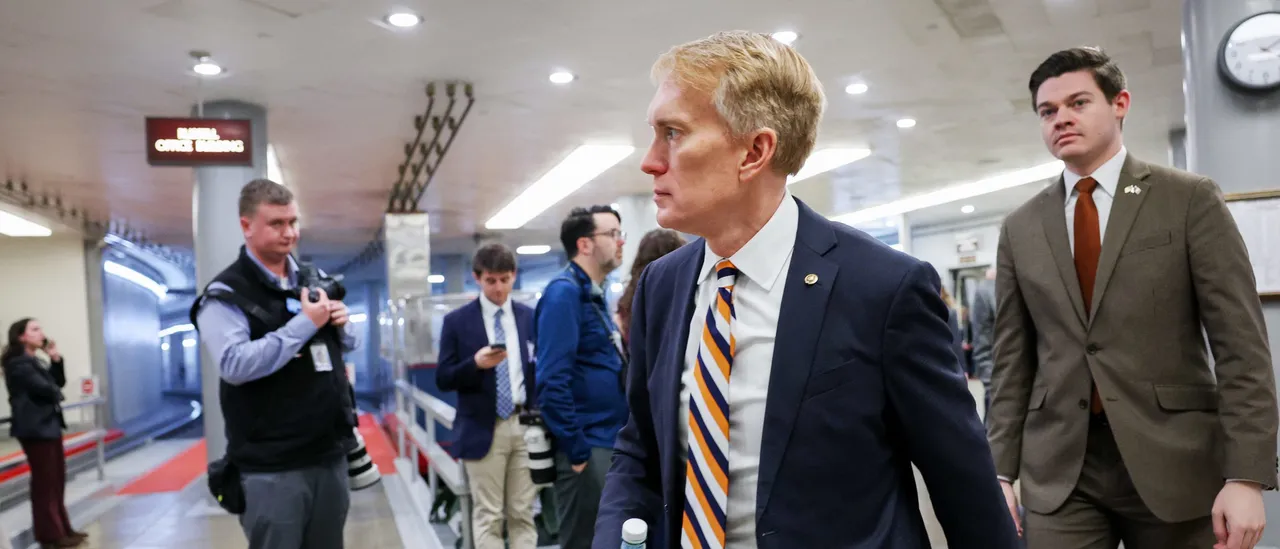
Every once in a while, Washington actually tries to fix something instead of creating another trillion-dollar problem. Shocking, I know. This week, James Lankford, the Republican senator from Oklahoma, stepped forward with legislation designed to tackle one of the most outrageous government failures in recent memory: over $100 billion in unemployment fraud tied to pandemic-era programs.
Lankford introduced the Stop Unemployment Fraud Act, a bill meant to reform the joint federal-state Unemployment Insurance system that hemorrhaged taxpayer money during the COVID-era shutdowns. The goal is simple: make sure unemployment benefits go to actual Americans in need, not criminals exploiting loopholes in a system that, frankly, was begging to be abused.
As Lankford put it plainly, making government efficient shouldn’t be partisan — it’s simply common sense.
The bill includes several straightforward reforms that should have been standard practice all along. Applicants would have to verify their identity before receiving benefits, states would be required to cross-check claims through the Integrity Data Hub fraud detection system, and unemployment payments would only begin after eligibility is confirmed. In other words, the government would finally start doing what any responsible business would do before handing out money.
The legislation also strengthens work search requirements and directs the Department of Labor to monitor whether states are actually enforcing them — a concept that somehow became optional in many places over the past few years.

Lankford isn’t alone in this effort. In the House, Pennsylvania Republican Lloyd Smucker is introducing the companion bill, backed by a dozen GOP lawmakers. In the Senate, Republicans Mike Crapo, Bill Cassidy, and Steve Daines have signed on as cosponsors.
Smucker didn’t mince words when discussing the problem.
Bad actors, he said, stole more than $100 billion in pandemic unemployment benefits, and new cases continue to emerge showing that the system’s vulnerabilities haven’t exactly disappeared.
And the numbers back that up.
Maryland alone is dealing with a pandemic-era mess involving $760 million in overpayments, with as much as $1.3 billion potentially sent out incorrectly. More than 180,000 repayment notices have already gone out. Meanwhile, a 2025 audit flagged California, New York, and Massachusetts for a combined $305 million in improper unemployment claims.
California, in particular, continues to make headlines for the wrong reasons. Republican Rep. Young Kim highlighted $32 million in fraud during a congressional hearing earlier this year.
In other words, while hardworking Americans were footing the bill, scammers were apparently enjoying the easiest payday in government program history. Not exactly the kind of stimulus taxpayers had in mind.
Lankford has been pushing to clean up government waste for years. In 2024 he championed the Taxpayers Right-to-Know Act, which created the Federal Program Inventory so Americans can finally see where their tax dollars are going.
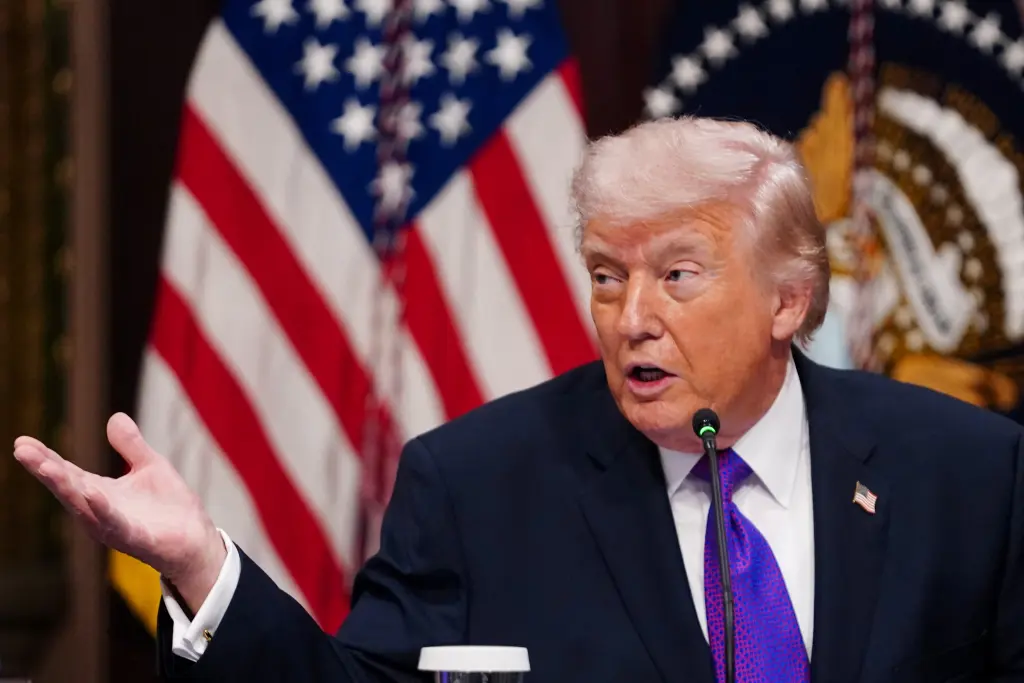
And this push against unemployment fraud comes at a moment when the administration is taking the issue seriously. During his State of the Union address, Donald Trump declared a “war on fraud” and tasked Vice President JD Vance with leading the national effort to root it out.
For once, Washington may actually be moving toward something voters have been asking for: protecting taxpayer money instead of letting it disappear into bureaucratic black holes.
If Lankford and his allies succeed, the unemployment system could finally do what it was always supposed to do — help Americans who truly need it, while making life a lot harder for the fraudsters who thought the government’s wallet was wide open. And frankly, that’s a reform long overdue.