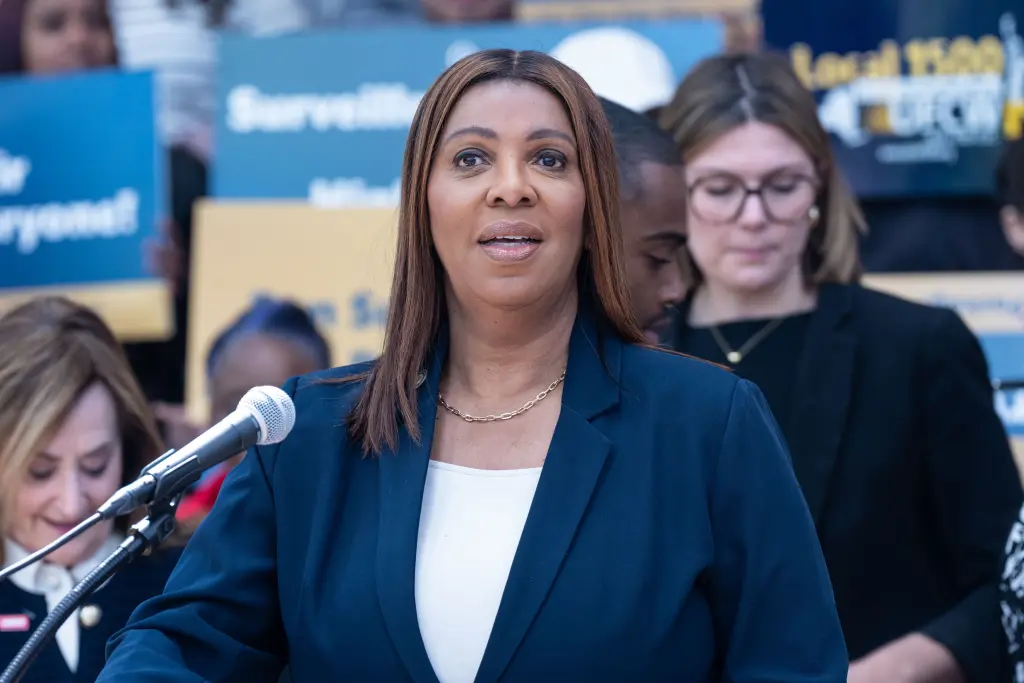
New York Attorney General Letitia James is facing fresh criticism after her Republican challenger accused her office of spending roughly $20 million on outside legal counsel while taxpayers continue footing the bill for one of the largest attorney general offices in the country.
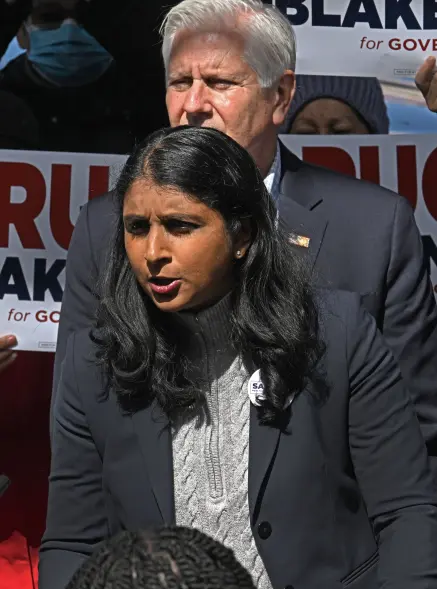
Saritha Komatireddy, a former federal prosecutor and Republican candidate for New York attorney general, blasted James on Friday over what she described as excessive spending on private law firms to perform work that critics argue should be handled by the AG’s own staff.
“The $10 million legal defense fund set aside for Letitia James’s personal legal troubles is an insult to hardworking taxpayers who are already struggling with the highest costs in the nation,” Komatireddy said in a statement.
Among the firms reportedly receiving state contracts is Davis Polk & Wardwell LLP, which is being paid a $575,000 retainer to represent the attorney general’s office in a sexual harassment lawsuit brought by a former senior aide.
The arrangement has attracted additional attention because Governor Kathy Hochul’s husband, Bill Hochul, earns approximately $1.3 million annually from Davis Polk, according to the governor’s financial disclosure filings. Officials have stated that he does not work on matters involving the state.
James’ office pushed back against criticism surrounding the legal defense fund, stating that neither the attorney general nor her office has accessed the state-funded account.
“Neither the Office of the Attorney General nor Attorney General James have tapped into the state’s fund,” a spokesperson said. “In her personal capacity, Attorney General James has made use of the Democratic Attorneys General Association’s legal defense fund.”
A spokesperson for the state comptroller’s office also confirmed that none of the original $10 million state fund had been used as of Friday.
However, critics point to a recent move by New York Democrats to not only preserve the fund but expand its scope. Under the revised rules, statewide elected officials may now seek reimbursement for a broader range of legal expenses, including costs associated with hearings and criminal indictments.
Conservatives argue the situation raises serious questions about accountability and priorities in Albany. After all, when ordinary New Yorkers face legal bills, they usually don't get a taxpayer-backed safety net waiting in the budget.
The controversy is likely to become a major issue in the upcoming attorney general race, as Republicans continue portraying James as a politically motivated official who has focused more on high-profile political battles than on protecting taxpayers.
For critics, the debate goes beyond one legal fund or one contract — it centers on whether government officials should have access to protections and privileges unavailable to the citizens who pay the bills.