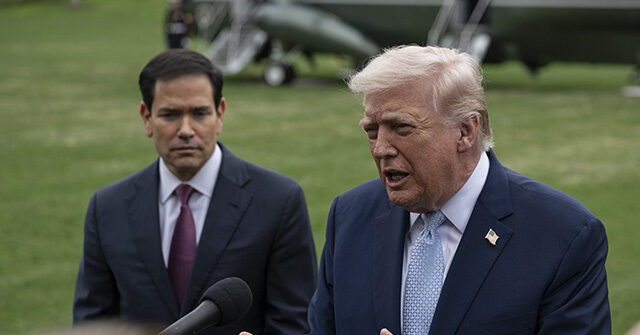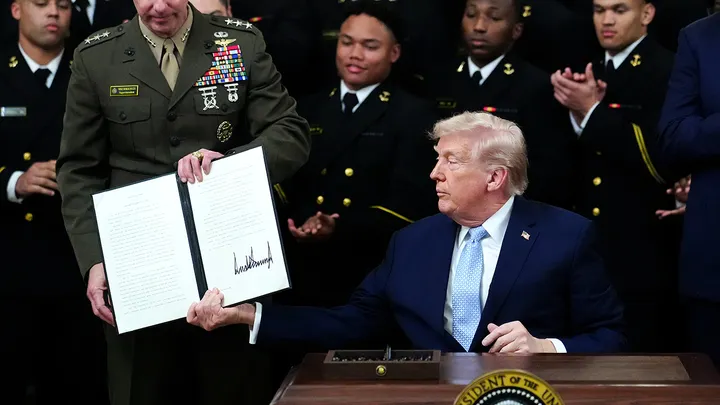
London stocks took a step back on Monday after President Donald Trump reminded Europe that economic leverage still matters. Shares fell after Trump threatened new tariffs on Britain and seven other European nations unless the United States is allowed to buy Greenland—a move that rattled investors and injected fresh volatility into global markets.
The FTSE 100 slipped 0.6% by mid-morning trading, while the more domestically focused mid-cap index dropped 0.9%, marking its worst one-day decline since late November. The reaction followed Trump’s announcement that the U.S. would impose an additional 10% tariff starting Feb. 1 on imports from Denmark, Norway, Sweden, France, Germany, the Netherlands, Finland, and Britain—rising to 25% by June 1 if no agreement on Greenland is reached. Subtle as ever.
The news unsettled markets worldwide, with volatility making an unwelcome return to trading floors. Several major EU states quickly condemned the tariff threat as blackmail, and France floated the idea of responding with economic countermeasures that have yet to be tested. That should calm markets—said no investor ever.
British Prime Minister Keir Starmer urged calm discussions to resolve the dispute, as the tariff threat also cast a shadow over recent U.S. trade agreements with Britain in May and the European Union in July. Both deals had already been criticized for favoring Washington, which, from an American perspective, is kind of the point.
Losses spread across London’s market, with banking and healthcare stocks dragging down the FTSE 100. Luxury retailers also took a hit, as Burberry fell 2.8% and Watches of Switzerland Group dropped 1.5%.
Not everything was gloomy. Precious metal miners surged 2.5% as gold and silver hit record highs amid a flight to safety, and aerospace and defense stocks climbed 0.4%. In company-specific news, WH Smith jumped 9% after appointing former Balfour Beatty chief Leo Quinn as executive chair, replacing Annette Court in a shakeup aimed at reviving the business and restoring investor confidence.
In the end, markets may grumble, politicians may complain, and Europe may protest—but Trump’s strategy remains consistent: put America first, use leverage unapologetically, and force serious negotiations. Love it or hate it, that approach keeps Washington firmly in the driver’s seat—and clarity, even when it’s tough, is often better for markets in the long run.