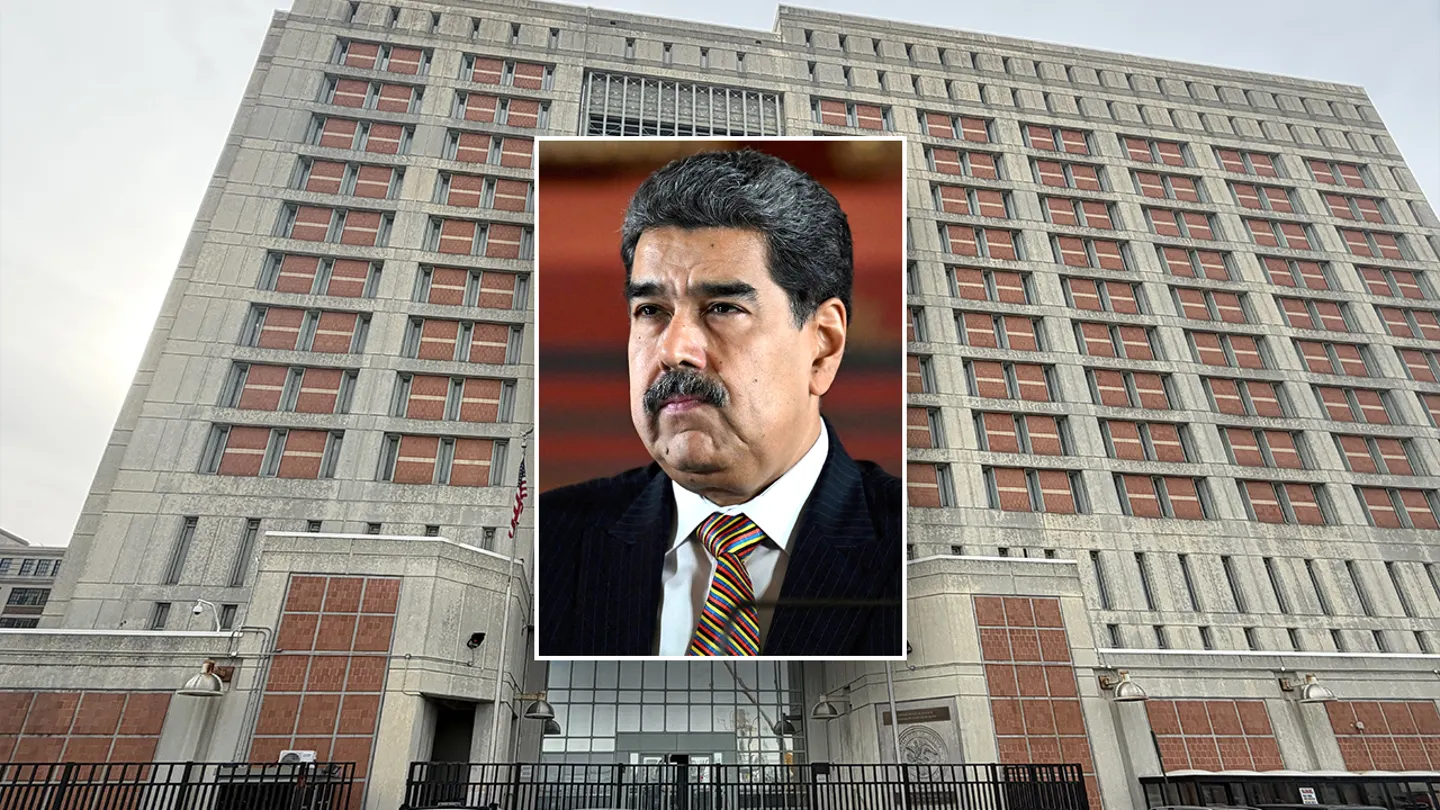
Once central figures of Venezuela’s Chavista machine, Nicolás Maduro and Cilia Flores now face what experts call a “worst-case scenario”—together, but this time in U.S. custody.
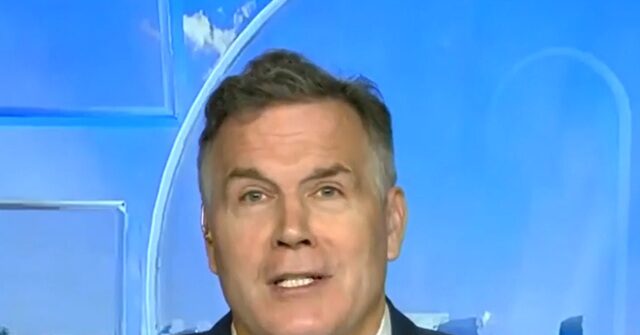
Nicolás Maduro and his wife, Cilia Flores—often nicknamed “Lady Macbeth” by critics—are no strangers to power, influence, or controversy. But according to national security expert Roxanna Vigil, their current situation represents the ultimate political nightmare: no longer in control, no longer protected, and now detained by the U.S. government ahead of their Jan. 5 arraignment.
Arrested during a nighttime operation in Caracas on Jan. 3 and transferred to U.S. custody, the couple—married for 12 years—now face federal criminal charges. As Vigil bluntly put it, this is a “worst-case scenario” for two people whose personal and political lives have always been tightly intertwined. Turns out, ruling together is a lot easier than facing justice together.
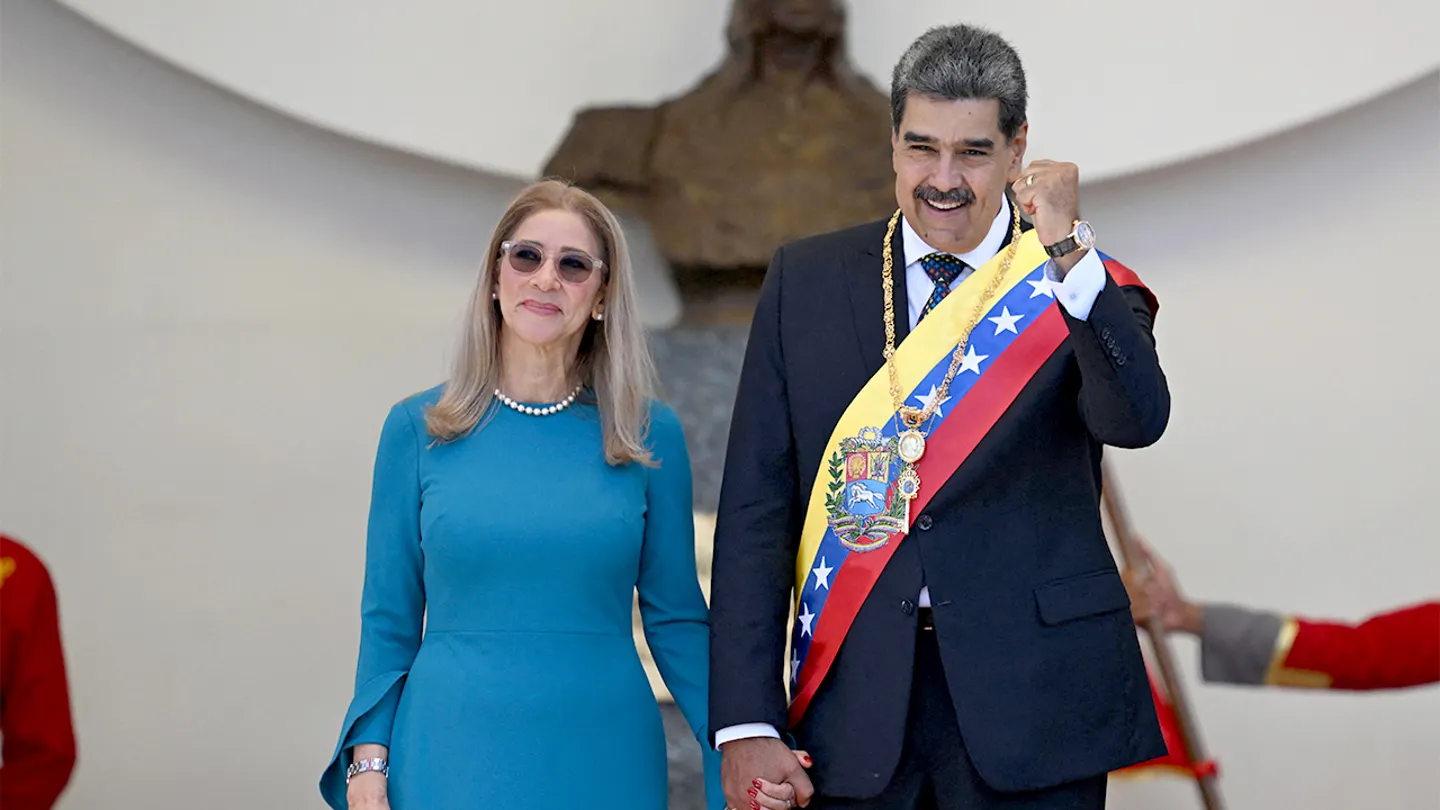
Maduro, 63, is charged with four serious counts, including narco-terrorism conspiracy, cocaine importation conspiracy, possession of machine guns and destructive devices, and conspiracy related to those weapons. Flores, 69, faces three counts, including cocaine importation conspiracy and weapons-related charges. Quite the résumé—just not the kind most people put on LinkedIn.
Flores has long been a central figure in Venezuela’s Chavista movement. She first gained prominence in 1994 when she defended Hugo Chávez after his failed 1992 coup attempt. After Chávez’s election, she served in the National Assembly starting in 2000, later became its president—succeeding Maduro—and then served as Venezuela’s attorney general from 2012 to 2013 under both Chávez and Maduro.
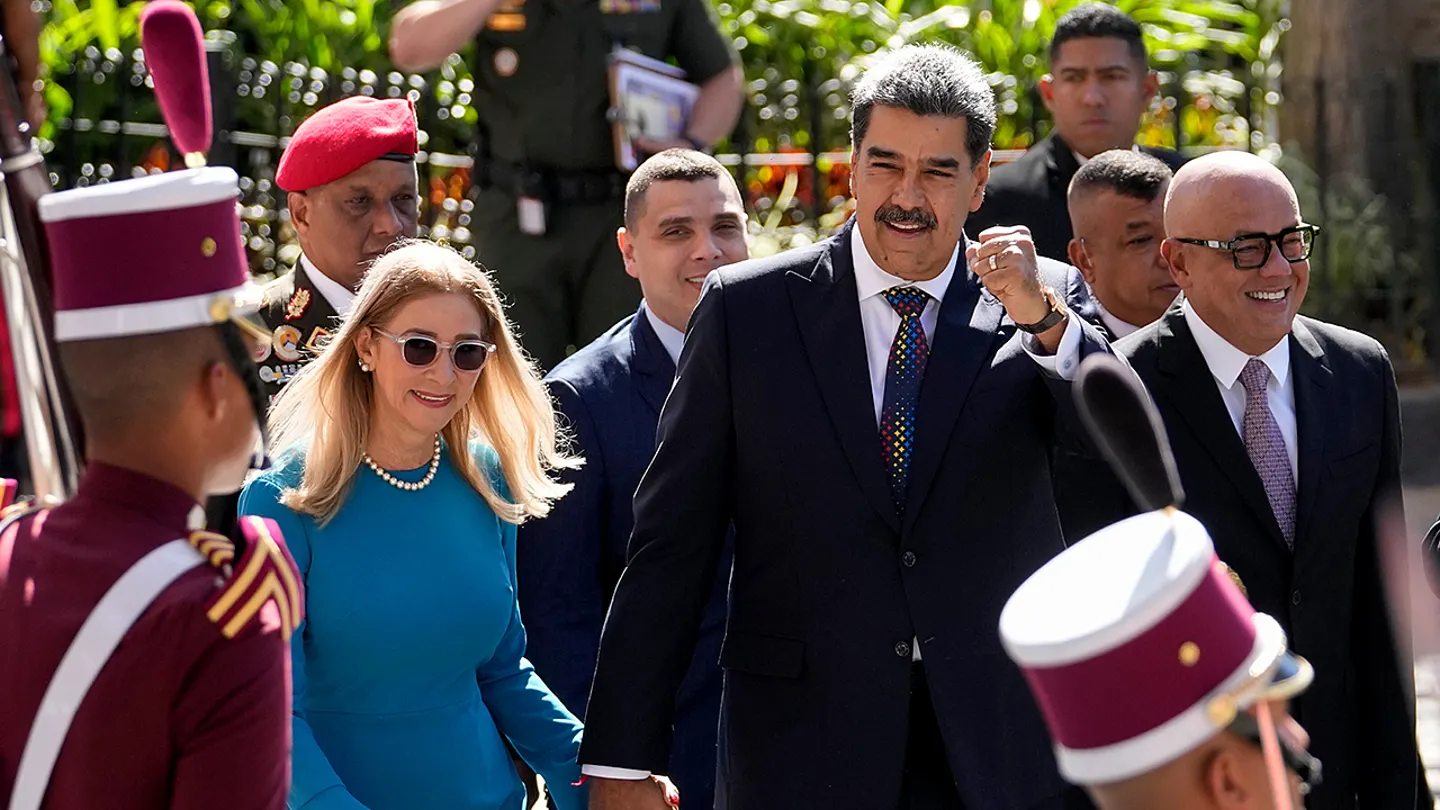
According to Vigil, Flores is an “original Chavista,” deeply embedded in the revolutionary project Chávez launched in the early 1990s. Politically savvy and influential, she helped build and sustain that movement over decades. Even as Chavismo sits at a low point, Vigil notes it is likely to survive—though Venezuela’s future now hinges on whether democracy finally gets a real chance or whether another Chavista figure remains in power.
Flores met Maduro while both were working closely with Chávez. Maduro once described her as having a “fiery character”—an assessment few would argue with. Despite knowing each other for nearly two decades, the pair didn’t marry until 2013, the same year Maduro was elected president. Timing, as they say, is everything.
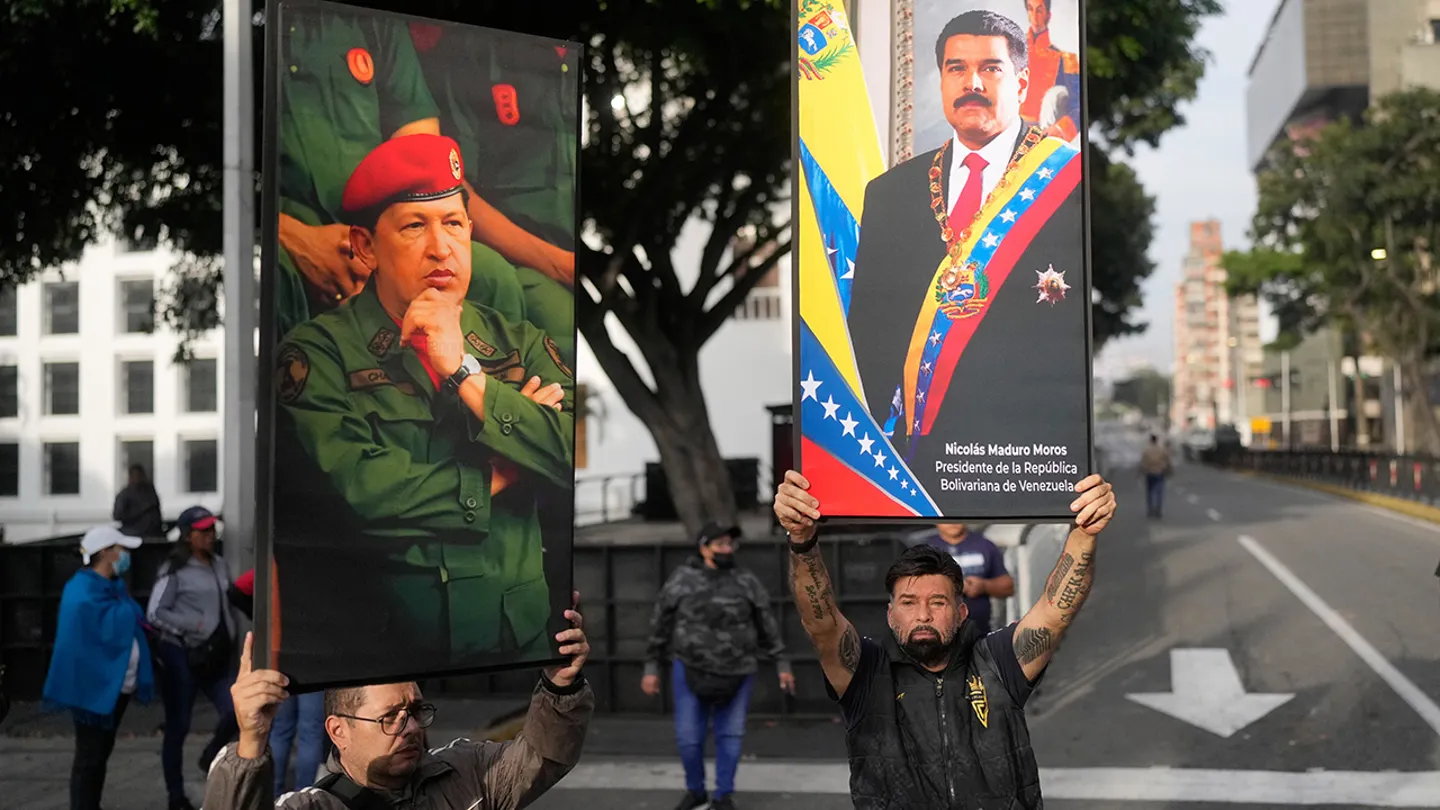
Behind the scenes, Flores remained a powerful operative during Maduro’s rule. Vigil explained that while she was less publicly visible than during the Chávez years, her influence never waned. Her family members, including two nephews, have been implicated in various criminal activities, including U.S. crimes—a detail that only added to her controversial reputation.
Her reach extended into Maduro’s efforts to cling to power after the opposition won a supermajority in the National Assembly in 2015. Rather than allowing the opposition-led legislature to function, Maduro created a parallel body that assumed its powers. Flores played a role in that effort, which later contributed to her being sanctioned by the U.S. government in 2018. She may not have sought the presidency herself, but as Vigil noted, she already wielded significant influence where it mattered most.
At the core of it all, Vigil suggests Flores believed Maduro was the best vehicle to continue Chávez’s revolutionary project—and that preserving it was personally important to her.
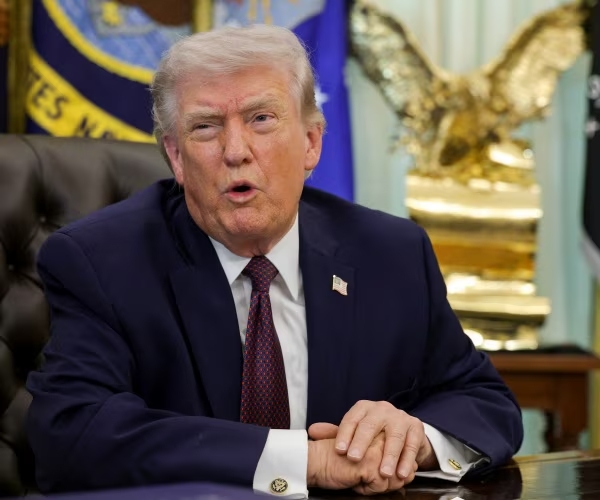
This week, President Donald Trump addressed Maduro’s capture, warning of serious consequences and signaling a firm, no-nonsense approach toward the Venezuelan regime. It was a clear message: accountability still matters, and power does not grant permanent immunity.
And while this chapter marks a dramatic fall for two of the most entrenched figures in Venezuelan politics, it also opens the door to something better. For Venezuela—and for those who believe in freedom and the rule of law—this moment carries the promise that justice, sooner or later, does show up.