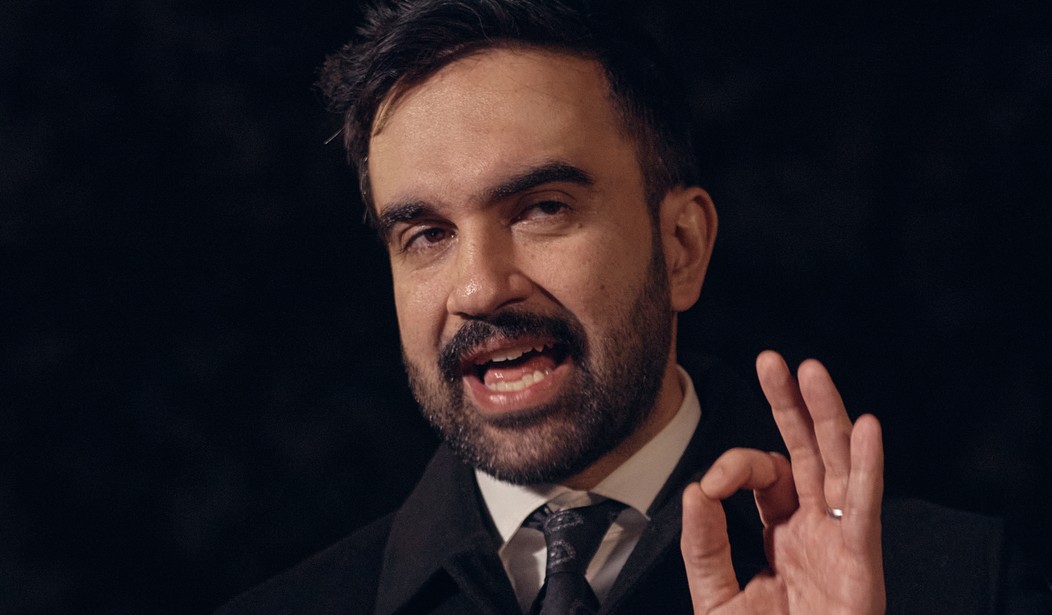
New York City Mayor Zohran Mamdani is facing criticism after appearing in a luxury suite at a World Cup match despite building much of his political identity around populist and democratic socialist messaging.
Photos and reports circulating after the event drew attention to Mamdani’s attendance at the Brazil vs. Morocco opener, where he was reportedly seated alongside New York Governor Kathy Hochul in premium accommodations.
Critics quickly seized on the optics.
Opponents argued that accepting access to exclusive, high-value events appears difficult to reconcile with rhetoric centered on economic equality and criticism of elite privilege. For those critics, the issue is less about watching soccer and more about whether public officials apply the same standards to themselves that they promote publicly.
Supporters of Mamdani are likely to reject that characterization.
They may argue that attendance at major public events does not automatically imply hypocrisy and that public officials routinely receive invitations, participate in diplomatic or civic engagements, and attend high-profile gatherings without changing their political principles.
Still, the episode has generated attention because of the contrast.
Politicians who campaign against concentrated wealth and exclusive access often face heightened scrutiny when photographed enjoying the kinds of experiences they criticize. Fairly or unfairly, voters tend to notice when the image of public service intersects with premium seating and private hospitality.
The criticism also reflects a broader political reality.
Modern politics increasingly rewards authenticity while punishing perceived inconsistency. In an environment where every appearance becomes content and every photo becomes debate, symbolism can travel faster than policy.
And for critics, the optics here practically wrote themselves.
Calls for economic fairness tend to sound different when delivered from a luxury suite.
Whether voters see this as ordinary public life or an example of political contradiction will likely depend on something more durable than one event: whether leaders are judged more by what they say — or by how they live when the cameras are already on. And Mandani looks exactly like every other radical leftist: only talking the talk and not walking the walk.