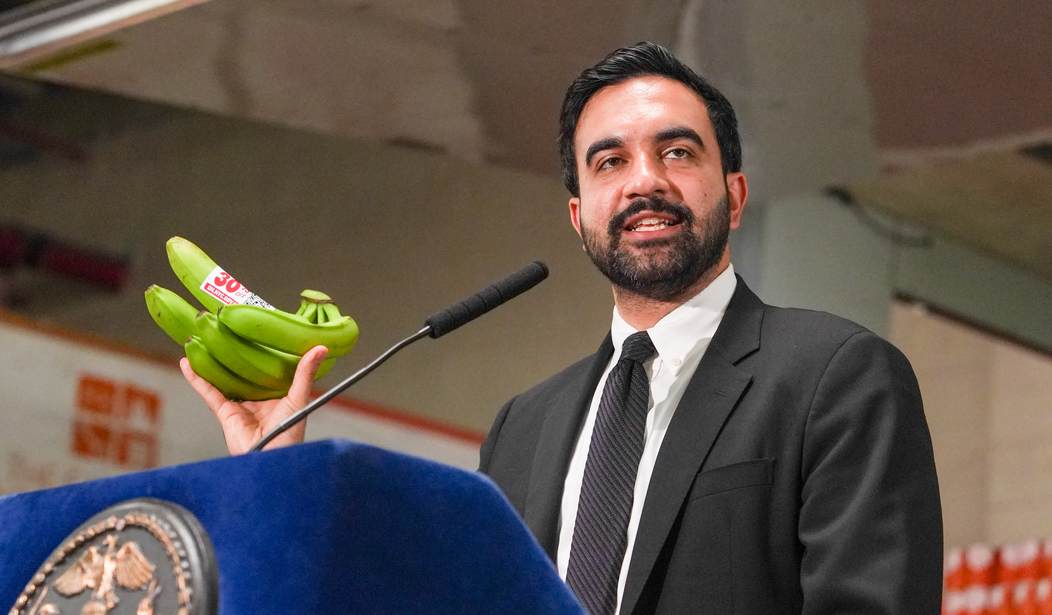
New York City Mayor Zohran Mamdani is facing a growing question over his taxpayer-funded grocery-store proposal: If identification is not required, how will the city ensure that taxpayer-subsidized benefits actually reach New Yorkers?
Mamdani has said his planned municipal grocery stores would not require shoppers to present identification, opening the door to a system in which people could potentially shop regardless of whether they live in New York City.
That creates an obvious problem.
If the city is using taxpayer money to subsidize food prices, residents have every right to ask whether those subsidies will be limited to the people the program is supposed to serve—or whether anyone who happens to walk through the doors can take advantage of them.
Tourists, visitors and non-residents could potentially benefit alongside city residents, depending on how the program is ultimately structured and enforced.
And that is where the lofty promises of government-funded “affordability” collide with the messy reality of paying for it.
Mamdani has built his political brand around expanding government’s role in providing basic necessities, arguing that public programs can make life more affordable for working people. But every expansion comes with a bill, and that bill ultimately lands on taxpayers.
The city therefore faces a simple accountability test: Who qualifies, who pays, and how does New York know the difference?
There is nothing radical about asking for basic safeguards when public money is involved. In fact, it is common sense.
New Yorkers should not be expected to finance a heavily subsidized grocery system without knowing whether its benefits are actually targeted at the people who live and pay taxes in the city.
Because when government promises something “free” or deeply discounted, the cost does not disappear.
It simply moves somewhere else—and taxpayers are usually the ones left holding the receipt.