
New York City is once again grappling with a tragedy many residents say was entirely preventable — and critics are now blasting Mayor Zohran Mamdani for what they describe as a dangerous refusal to confront the city’s growing serious mental illness crisis.
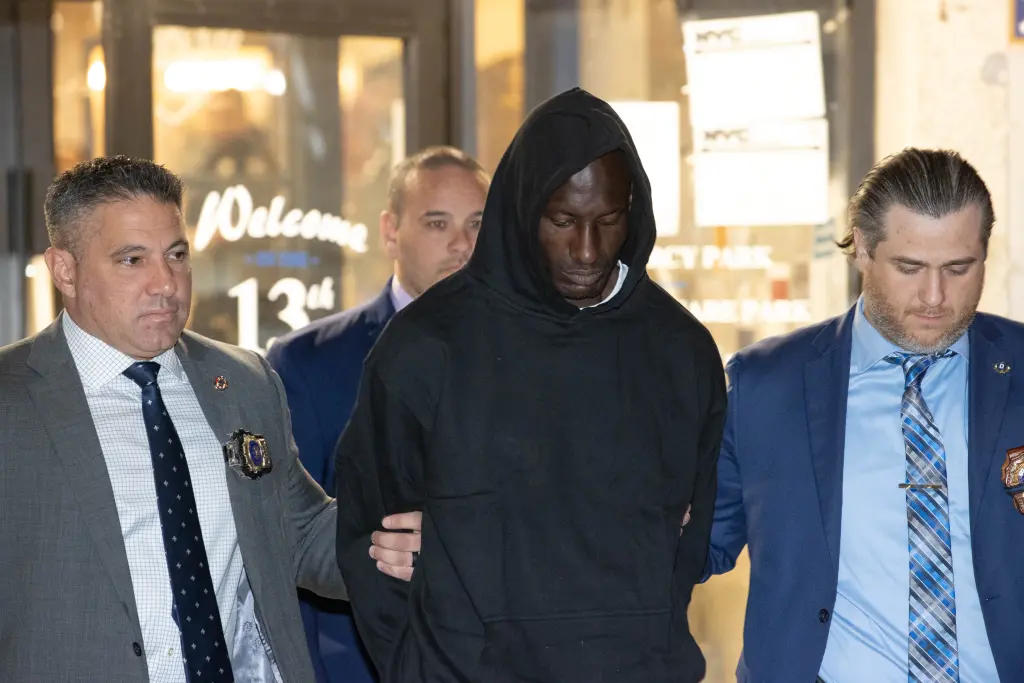
On Thursday, NYPD officers transported a 32-year-old emotionally disturbed individual to Bellevue Hospital for psychiatric evaluation. According to reports, the individual was treated and released within hours before allegedly pushing an elderly man down subway station stairs in a violent attack that later resulted in the victim’s death.
The horrifying incident immediately reignited public outrage over how New York handles repeat encounters involving severely mentally ill individuals who cycle through hospitals, shelters, and the transit system without receiving long-term treatment.
Mamdani responded by offering condolences and calling for an investigation into how the tragedy could have been prevented. But for many New Yorkers, the answer seems painfully obvious already.
Across the city, residents increasingly say they feel unsafe riding the subway or walking through public spaces where untreated severe mental illness has become impossible to ignore. Critics argue city leadership continues prioritizing ideological talking points over practical solutions that protect both vulnerable individuals and the public.
The core issue, according to many law enforcement officials and residents, is that seriously mentally ill individuals often refuse voluntary treatment while existing laws make involuntary intervention extremely difficult unless someone already becomes a danger to themselves or others. By the time that threshold is reached, critics say, tragedies have often already occurred.
Conservatives and public safety advocates have repeatedly argued that cities like New York need stronger intervention policies, expanded long-term psychiatric care, and a willingness to acknowledge that some individuals are too unstable to safely remain untreated on the streets.
Instead, critics accuse progressive leaders of treating every public safety concern as a political messaging problem rather than confronting the deeper failures of the mental health system.
And for ordinary New Yorkers, the frustration keeps growing. Families, commuters, and elderly residents increasingly feel like they are being asked to simply tolerate chaos while officials insist conditions are improving.
The tragedy also highlights a broader national debate unfolding in many Democrat-run cities, where homelessness, addiction, mental illness, and violent crime have become deeply interconnected challenges. Yet despite mounting public concern, meaningful reform often remains politically controversial because activists oppose stronger enforcement or mandatory treatment measures.
At the end of the day, most Americans agree compassion matters. But many also believe compassion without accountability — or without effective treatment — ultimately fails both the public and the people suffering from serious mental illness themselves.
- Politics
By 4ever.news
Mamdani Under Fire After Deadly Subway Attack Renews Concerns Over Mental Illness Crisis in NYC
Trending News
- Politics
- Trump
Joe Rogan Blasts Media for Fueling Hatred Against Trump Afte
1 days ago- Politics
- Trump
Trump Sparks Renewed Push for Armed Resistance Against Iran’
2 days ago- Politics
Pakistan Says U.S. and Iran Are Closing In on Ceasefire Deal
3 days ago- Politics
- Trump
Trump Flexes Muscle in Indiana as GOP Incumbents Fall in Pri
4 days ago
All About Trump
- Trump
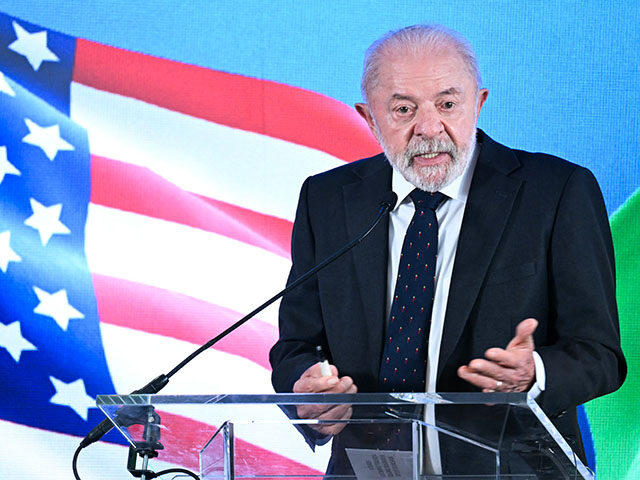
LULA CLAIMS TRUMP TOLD HIM U.S. “WON’T INVADE CUBA” AFTER PRIVATE WHITE HOUSE MEETING
Brazil’s socialist president Luiz Inácio Lula da Silva is claiming that President Donald Trump privately assured him the United States has “no intention of invading Cuba” during a closed-door White House meetin 1 days ago
- Trump