The architect of America's draconian pandemic response, Dr. Anthony Fauci, has long been presented as a selfless public servant. But newly revealed private diary entries paint a starkly different picture: one of a man consumed by his own celebrity at the very height of the COVID crisis. Even more telling is the deafening silence from the very legacy media outlets that once lionized him, seemingly determined to bury these inconvenient truths.
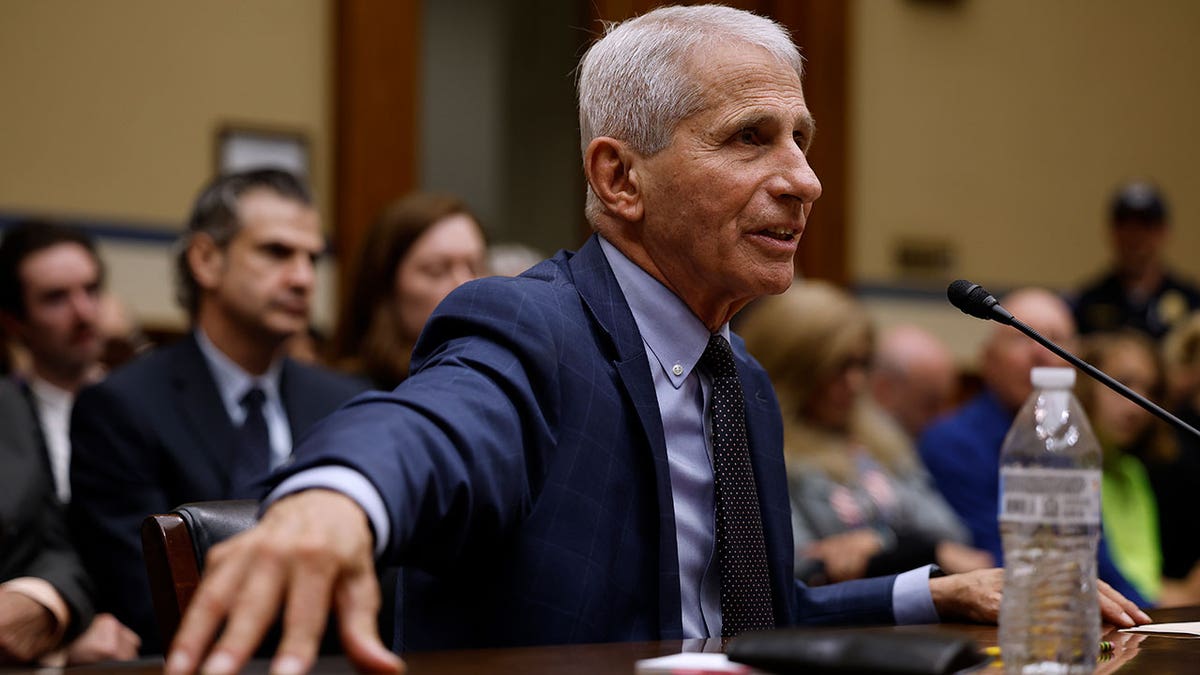
Released by Senate Homeland Security Committee Chairman Rand Paul, a fierce and prescient critic of Fauci, these explosive journals chronicle the former White House COVID advisor's daily life in 2020. They detail his interactions with President Donald Trump, governors, and world leaders, alongside a bizarre preoccupation with his own burgeoning fame and the vast media ecosystem that fed it.
The blackout from America's supposed gatekeepers of information has been comprehensive. A review of transcripts from Grabien Media shows that from Saturday afternoon through Monday morning's flagship programs, ABC News, NBC News, CBS News, CNN, and MSNBC entirely ignored the stunning revelations. No mention on "NBC Nightly News," "Today," "World News Tonight," "Good Morning America," "CBS' Evening News," or "CBS Mornings." Even the Sunday morning political shows—ABC’s "This Week," NBC’s "Meet the Press," and CBS’ "Face the Nation"—conveniently found nothing newsworthy.
The diaries expose Fauci's "fondness of his newfound fame," detailing "cozy relationships with a variety of legacy media personalities," and his "growing frustration with the Trump White House." He even penned that it was "not hyperbole" to declare himself "the most famous and talked about person in the country." While America grappled with unprecedented lockdowns and mounting uncertainty, Fauci was apparently more concerned with his personal brand.
Perhaps the most damning details revolve around CNN, which utterly blacked out the story on linear television. This silence becomes glaringly hypocritical given that CNN anchor Jake Tapper appears repeatedly throughout Fauci's private entries, documenting phone calls, text exchanges, and even dinners at the Tappers' Washington home. Fauci recorded Tapper privately checking to ensure a CNN interview hadn't caused problems with the White House. When The Atlantic's Peter Nicholas suggested Fauci had been "humiliated" over a canceled Tapper interview, Fauci's diary entry revealed his true colors: "F--- you, Peter." And there it is.
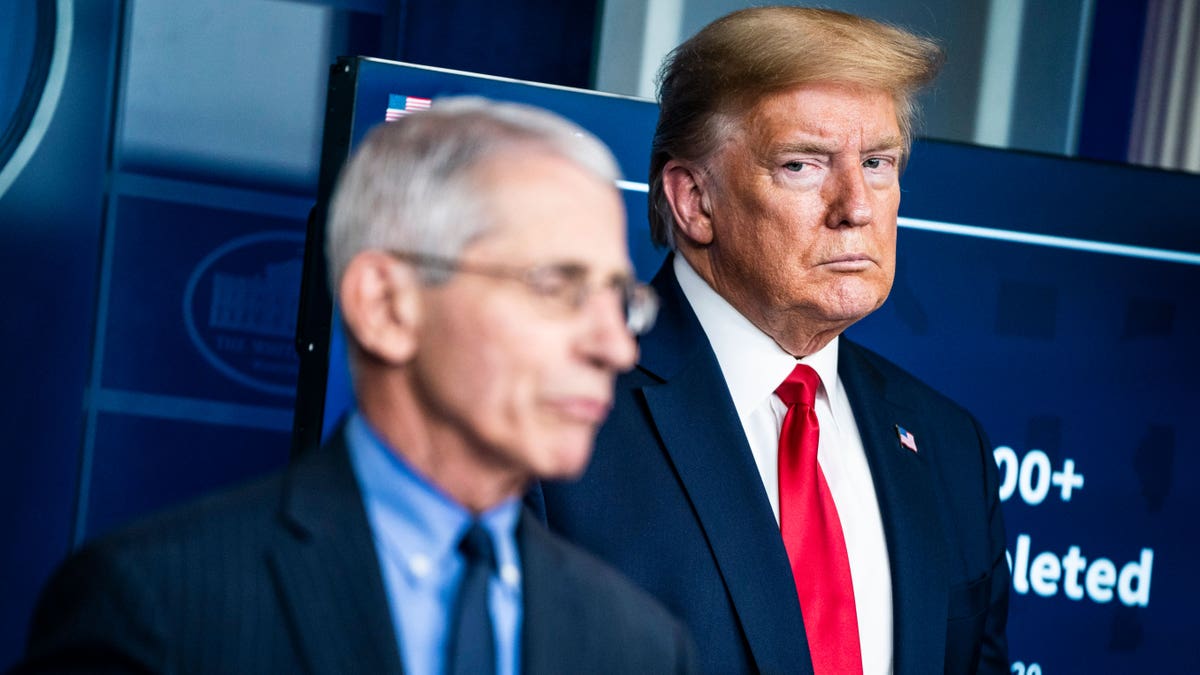
The chumminess didn't stop there. After Fauci's heated exchange with Ohio Republican Rep. Jim Jordan in April 2021, CNN's Dana Bash reportedly texted him, calling him "a better man" and relaying that fellow CNN anchor Wolf Blitzer had joked no one would have blamed Fauci if he had told Jordan to "go f--- yourself." This isn't journalism; it's a mutual admiration society dedicated to protecting preferred narratives.

As Fox News chief political analyst Brit Hume rightly observed on X, "This is not getting the coverage it deserves. Is that because so many media luminaries were so chummy with the man at the center of a major medical controversy?" A question that answers itself.
While some network insiders offered the tired excuse of a "busy news cycle" and suggested there's "still time to cover it," the American people have learned to see through such transparent dodges. The deliberate suppression of these pivotal entries highlights a deeply ingrained media bias, demonstrating how certain powerful figures are shielded by their allies in the press, even when their private thoughts expose a shocking self-absorption during a time of national crisis. This isn't just a failure of journalism; it's a betrayal of public trust, proving once again that for the legacy media, protecting their favored elites often takes precedence over delivering the truth to the American citizens they claim to serve.