In a powerful display of conservative governance, Italy’s government, led by Prime Minister Giorgia Meloni, has swiftly approved a sweeping package of security measures designed to crush the recent wave of violent riots that plagued its northern cities. This decisive action comes as a stark contrast to the widespread unrest seen across Europe, particularly the recent chaos in neighboring France, signaling that Italy is charting a firm course towards law and order.
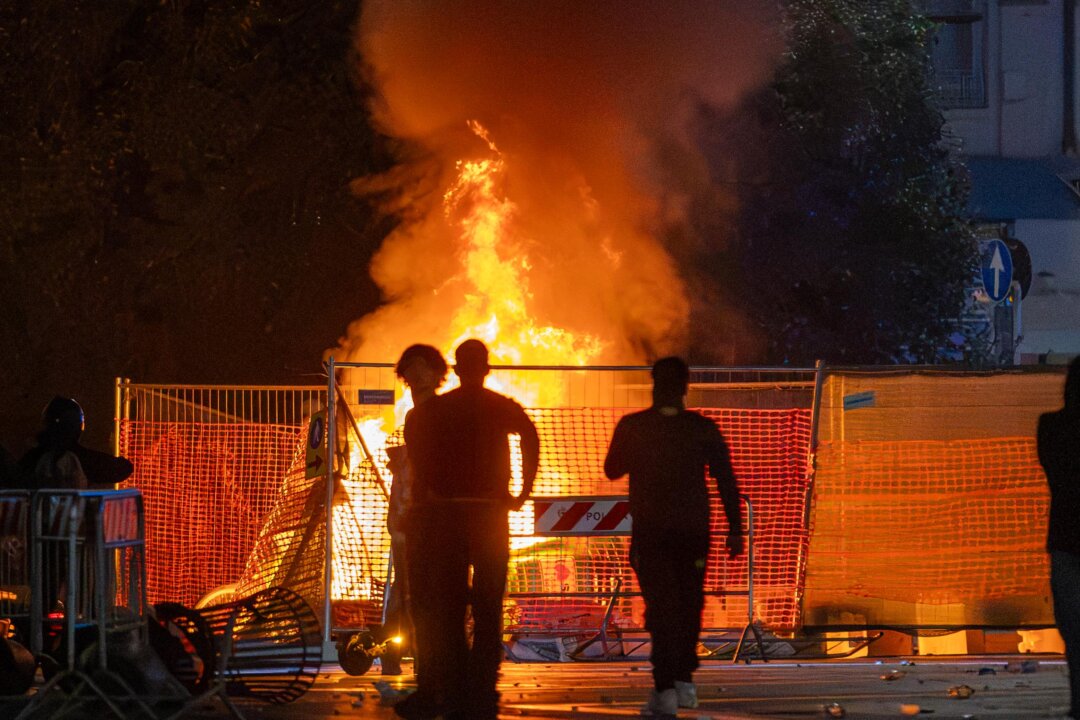
The weekend saw gangs of predominantly young people unleash anarchy in major northern cities like Milan, Bologna, and Turin. Rioters, many concealed by hoods, smashed windows, looted shops, set fires, and attacked police – acts Meloni unapologetically condemned. "There is nothing revolutionary about vandalising and stealing. Vandalism and theft are not protest, they are criminality," Meloni declared in a video to the nation, cutting through the excuses often peddled by the left.
Under the new measures, which took immediate effect, anyone involved in a group of five or more people who endangers public safety during protests now faces a hefty sentence of up to five years in prison and a maximum fine of 20,000 euros. Penalties escalate significantly if injuries occur or if rioters conceal their identities, ensuring that those who sow discord will face severe consequences.
Perhaps most notably, Italian authorities have expanded their powers to tackle juvenile delinquency, a rampant issue in such outbreaks. Police now possess the authority to detain youths aged 14 to 17, even if they have not yet committed a crime, provided there is credible evidence they pose a danger to the public – a crucial preventative measure previously reserved for adults.

The government's resolve was further underscored by the deployment of 500 Army troops alongside police in Milan, a presence set to continue until late 2026. This move, aimed at fortifying security at critical sites and enhancing surveillance, sent an unmistakable message to potential agitators: Italy is serious about protecting its citizens and property. Luxury shops in Milan’s prestigious Via Montenapoleone district, often targets of such violence, had already taken precautions, removing merchandise and boarding up windows, a somber testament to the threat the state is now confronting head-on.
Adding another layer of robust accountability, Deputy Prime Minister Matteo Salvini, a stalwart of the co-ruling conservative League party, delivered a powerful warning to foreign nationals. Following the announcement of the new security package, Salvini stated unequivocally that immigrants involved in violent protests could be stripped of their citizenship, while those seeking leave to remain in Italy would see their applications summarily denied.
"More troops for Safe Streets, including 500 already in Milan, delayed arrests thanks to cameras, and greater powers for the Armed Forces and Law Enforcement," Salvini affirmed on X. "And then onward, looking ahead, with the revocation of citizenship and residence permits for adults who commit crimes, and the impossibility of obtaining citizenship for minors who deal drugs, loot, or vandalize." This direct and necessary stance addresses the disturbing revelation by Milan police that approximately half of the 2,000 rioters identified were of foreign origin.

This firm response from Meloni, who has consistently pushed for tough security and immigration control since taking office in 2022, highlights a core conservative principle: order and personal responsibility are non-negotiable foundations of a functioning society. While acknowledging legitimate grievances, Meloni drew a crucial line: "hardship must never be used as an excuse for violence." Her government stands ready to prosecute crimes promptly and apply all available rules with rigor, especially considering that a significant portion of those arrested or detained were foreign-born. This is not merely about suppressing unrest; it is about reaffirming national sovereignty and ensuring that Italy's streets are safe for law-abiding citizens. For those who seek to destabilize civil society through violence and criminality, Meloni’s Italy has made its position crystal clear: chaos will not be tolerated.