Michigan Democrats are heading into their 2026 state convention with a problem that is getting harder to hide: one of the party’s highest-ranking officials says she does not feel welcome among her own activists.
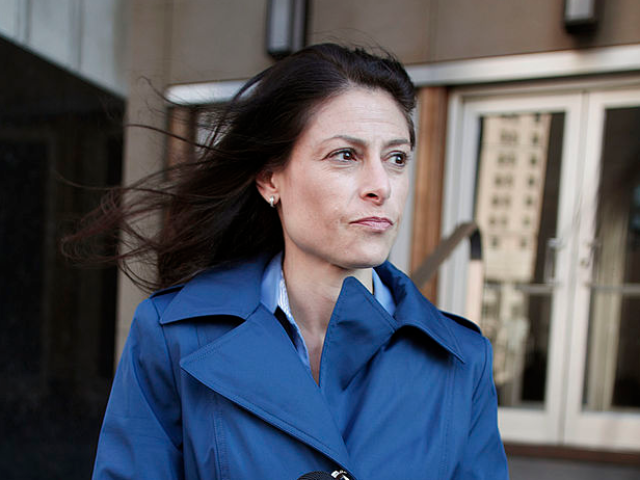
Attorney General Dana Nessel, a Jewish Democrat, has decided not to attend Saturday’s Democratic state nominating convention, citing fears that she could be harassed, shouted down or booed off the stage.
That is not a small political disagreement. It is a remarkable warning from a sitting attorney general about the atmosphere inside her own party.
Nessel explained her decision in blunt terms in late July.
“I feel like my presence isn’t going to be welcome. I don’t want to get chased around. I don’t want to get harassed. I don’t want to get yelled and screamed at. I don’t want to get booed off the stage, irrespective of what I’m saying.”
She added that she believed the same treatment would occur because, in her words, “it’s been happening to me.”
And that brings Michigan Democrats face-to-face with a political fault line they can no longer easily paper over.
The dispute centers largely on Israel and the growing influence of activists who oppose U.S. military assistance to Israel as it fights Hamas.
At an earlier Democratic gathering this spring, pro-Israel speakers were shouted down by activists, according to reporting cited by Fox News. The treatment of candidates — including Democratic Rep. Haley Stevens — reportedly left some Jewish Democrats deeply unsettled.
Rabbi Asher Lopatin, who has since appeared at a campaign event with Republican Senate nominee and former Rep. Mike Rogers alongside Democrats supporting Rogers, described the fallout in stark terms.
“People are traumatized from the previous convention. Many people I talked to, many super progressive people, are really traumatized by the way they were treated, and the way Haley Stevens was booed, and the way other candidates were treated,” Lopatin told Fox News Digital.
He said Nessel’s decision demonstrated just how serious the problem had become.
“It just shows how terrible these extremists are that they’re intimidating even the attorney general of our state.”
That is an extraordinary position for a major political party to find itself in. A convention is supposed to be where candidates and activists come together to rally around their movement. Instead, Michigan Democrats are wrestling with whether their own officials can safely walk into the room and speak their minds.
Then came another revealing exchange.
Abdul El-Sayed, the Democratic nominee for U.S. Senate, pushed back against Nessel’s concerns. Responding to her decision, El-Sayed said there was a problem when people invoke antisemitism in discussions about criticism of Israel.
“I think there is a challenge when folks try to use the specter of antisemitism to extend it toward protecting a foreign government against criticism. And I think that’s the place that the Attorney General and I might disagree.”
There is a legitimate distinction between criticizing the government of Israel and engaging in antisemitism. Americans are free to debate foreign policy, military aid and the conduct of any foreign government.
But Nessel was not merely complaining about criticism of Israel.
She was talking about being harassed, screamed at, chased around and potentially threatened because of her political views.
That distinction matters.
Nessel later responded directly to El-Sayed, saying his comments created the impression that she might deserve threats because of her beliefs.
“To say that, basically, like, perhaps I deserve to be threatened simply because of my political beliefs, I think is a real missed opportunity for Abdul to bring the party together. And I hope that’s what we’re going to be able to do.”
And there it is.
A Democratic attorney general is asking her own party to bring the temperature down while increasingly vocal activists push the party in the opposite direction.
For Republicans, particularly Rogers, the political opportunity is obvious. Jewish leaders in Michigan have already begun encouraging Jewish Democrats and independents to support Rogers over El-Sayed, arguing that the Democratic Party’s handling of Israel and antisemitism has crossed a line.
Michigan is also no ordinary state. It is a critical battleground where voters are watching not only what politicians say about foreign policy, but whether political parties can maintain basic standards of civility, tolerance and free expression within their own ranks.
Political disagreement is normal. Shouting down speakers and making elected officials fear attending their own party convention is something else entirely.
Americans should not need a permission slip to express an unpopular opinion. And no political party should become so consumed by ideological purity that even one of its own statewide officials feels safer staying home.
For Michigan Democrats, Saturday’s convention is therefore about more than nominations. It is a test of whether the party can control its increasingly radical factions — or whether the loudest activists in the room are now calling the shots.