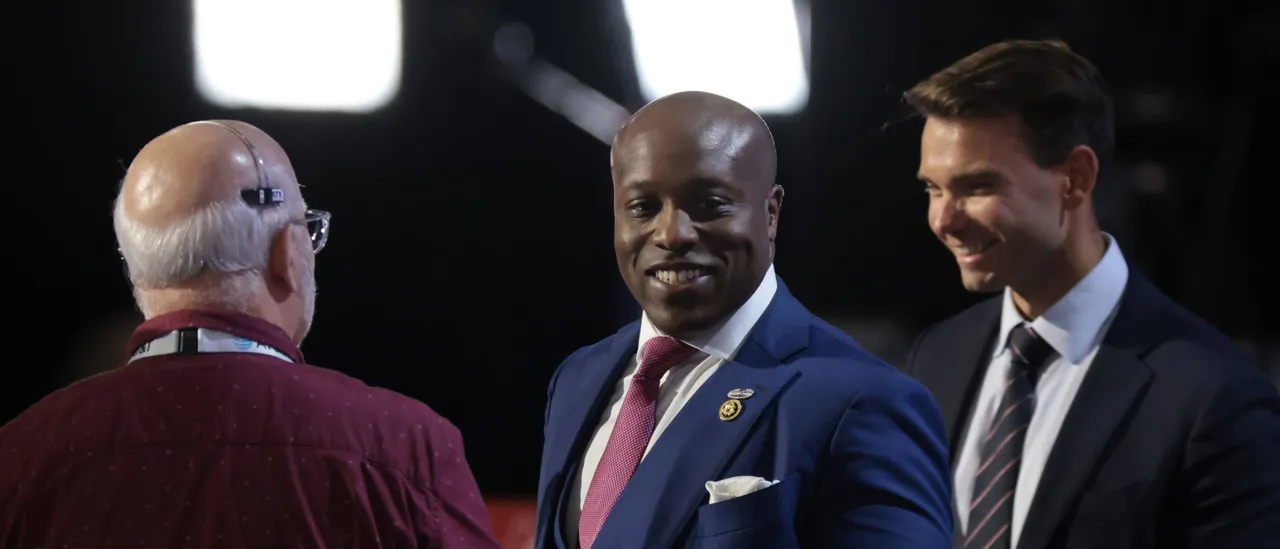
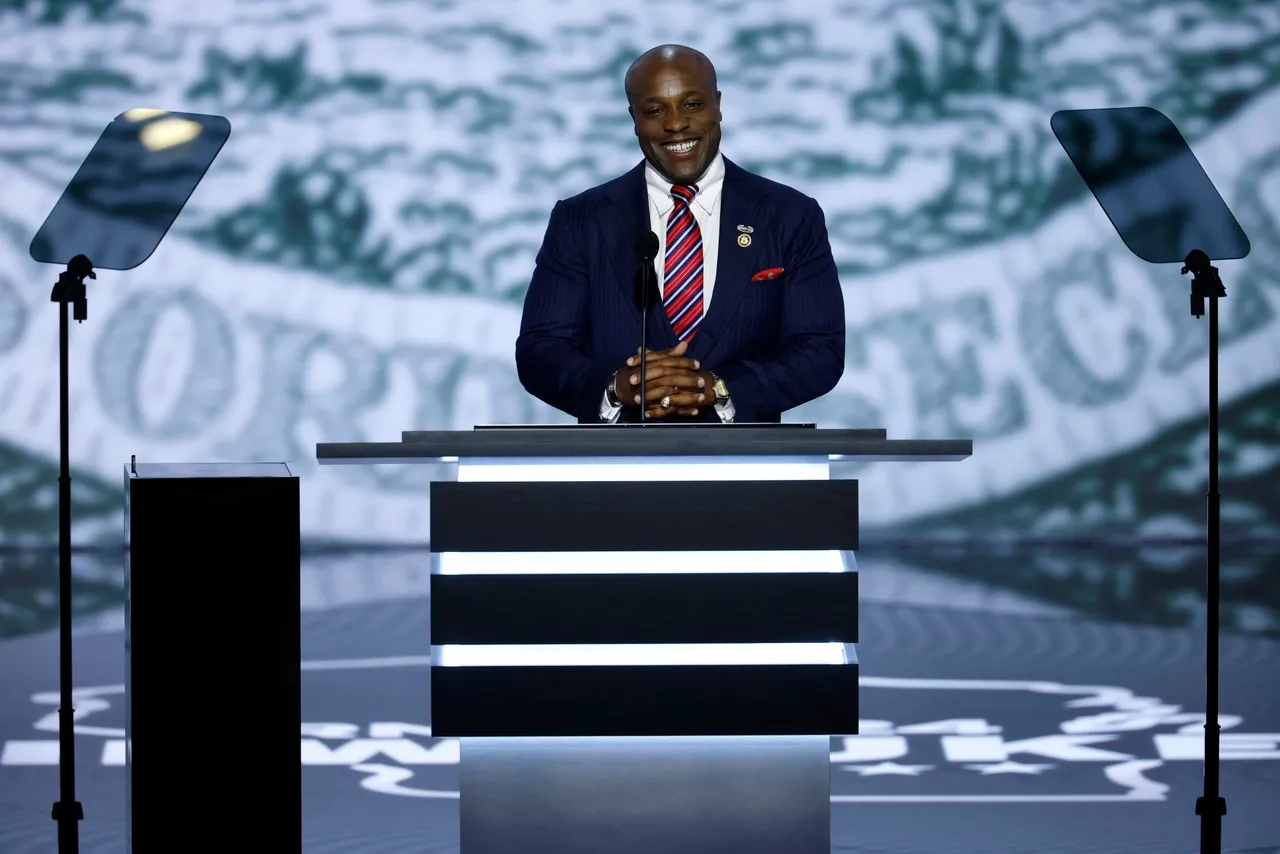
House Speaker Mike Johnson didn’t hide his surprise Thursday after learning Republican Rep. Wesley Hunt of Texas was missing during a critical House vote—an absence that raised eyebrows as Republicans try to govern with one of the narrowest majorities in modern history.
“I expected him to be here, so this was a surprise to me,” Johnson told reporters, noting he hadn’t spoken with Hunt at all during the week. With Republicans holding essentially a one-vote margin, surprises like that tend to cause heartburn.
Hunt, who is currently running in a crowded and bruising three-way Republican primary for U.S. Senate in Texas, was absent as House Republicans advanced a rule setting up votes on four appropriations bills, including funding for the Department of Homeland Security. While GOP leadership ultimately didn’t need Hunt’s vote to move the bills forward, irritation has been building over his frequent absences as he campaigns ahead of the March 3 primary.
Johnson was blunt about the reality Republicans face. With such a slim majority, he said, absences don’t make the job easier. That may be the understatement of the year.
According to GovTrack, Hunt missed 46 of 49 roll call votes—about 94%—between December 18, 2025, and January 21, 2026. He was also absent for three more roll call votes during Thursday morning’s vote series, when Republicans barely advanced the rule by a 214–213 margin. Every Democrat present voted no, forcing GOP leadership to scrape together just enough Republican votes to get it done.
What made Hunt’s absence stand out even more was who did show up. Republican Rep. Steve Womack of Arkansas voted despite announcing the death of his wife earlier in the week. Rep. Jim Baird of Indiana cast his vote while wearing a neck brace after a serious car accident that hospitalized both him and his wife. Meanwhile, Hunt was nowhere to be found.
Republican Reps. Elise Stefanik of New York, Tom McClintock of California, and Andy Harris of Maryland also missed the vote. Hunt was additionally absent during former special counsel Jack Smith’s testimony before the House Judiciary Committee—a notable miss for a Judiciary Committee member.
Since being sworn into Congress in January 2023, Hunt has missed 327 out of 1,641 roll call votes, giving him a 20% absence rate. For comparison, the median lawmaker’s lifetime absence rate is just 2%. Numbers have a way of cutting through spin.
A spokesperson for Hunt told the Daily Caller News Foundation that he would be present for votes later that day and said he was already en route to Washington after being informed his vote was needed. Another spokesperson later claimed House leadership had told Hunt earlier in the week that his presence was not required.
House GOP leaders have been clear that absences—outside of family or health emergencies—are unacceptable with such a tight margin. Majority Leader Steve Scalise emphasized that members have a responsibility to be present, noting that plenty of Republicans running statewide campaigns still manage to show up and vote.
Scalise added that the best way to convince voters you deserve a promotion is by proving you’re doing your current job well. Radical concept, apparently.
Hunt, however, has brushed off criticism, telling a Texas outlet that primary voters don’t care about attendance records. According to him, they care about opposing gun control, advancing President Trump’s agenda, and securing the southern border.
Polling suggests voters may care a bit more than Hunt thinks. He is trailing his Republican primary opponents—Sen. John Cornyn and Texas Attorney General Ken Paxton—by double digits. Cornyn’s campaign has openly criticized Hunt for putting personal ambition ahead of advancing Trump’s agenda.
Still, the broader picture remains encouraging for Republicans. Even with internal frustrations and tight margins, the GOP continues to move legislation forward and keep President Trump’s priorities alive in the House. If members stay focused and show up when it counts, Republicans are well-positioned to deliver results—and that’s ultimately what voters sent them to Washington to do.