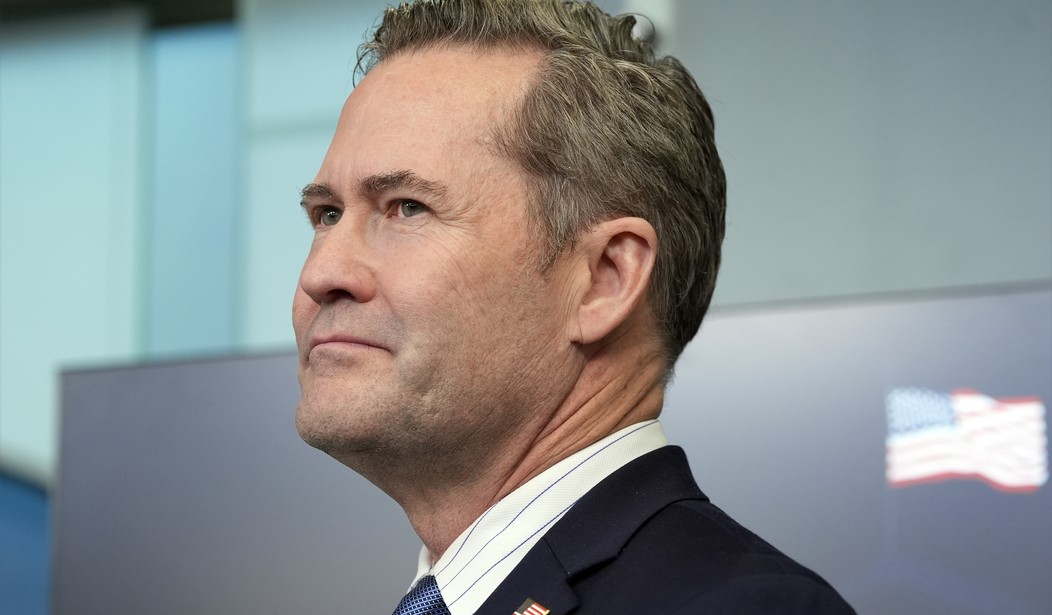
Iran's ruling regime is facing mounting pressure on multiple fronts, and according to former National Security Adviser Mike Waltz, the damage extends far beyond the battlefield.
After nearly two weeks of sustained U.S. military operations targeting Iranian infrastructure and strategic assets, the Trump administration temporarily paused strikes on Saturday as negotiations over a potential interim ceasefire continued. But the pause should not be mistaken for relief in Tehran.
While Iranian military facilities have taken repeated hits, the regime is also feeling the squeeze where it hurts most—its finances.
According to Waltz, the combination of military pressure and economic strain has left Iran in an increasingly precarious position. The regime now faces the difficult task of maintaining its regional ambitions while absorbing the cost of damaged infrastructure, disrupted operations, and growing financial pressure.
That is precisely the kind of leverage President Donald Trump has long argued is necessary when dealing with the world's leading state sponsor of terrorism. Rather than rewarding aggression with concessions, the administration has sought to force Tehran back to the negotiating table from a position of unmistakable American strength.
The current pause in military operations has opened the door to diplomacy, but the White House has made clear that every option remains available if Iran resumes attacks or refuses to negotiate in good faith. The message is simple: peace is available, but it cannot come at the expense of American security or the safety of U.S. allies.
For years, critics warned that Tehran exploited weak responses from the international community to expand its influence across the Middle East. The Trump administration's strategy represents a sharp departure from that approach, coupling diplomatic outreach with the credible threat of overwhelming force.
Whether Iran chooses negotiations or renewed confrontation remains to be seen. What appears increasingly clear, however, is that sustained military pressure and economic costs are leaving the regime with fewer options than it has had in years.
For supporters of the America First agenda, the objective is not endless war but lasting deterrence—protecting American interests, defending freedom of navigation, and ensuring that hostile regimes understand there are real consequences for threatening U.S. forces, allies, and international stability.