In a powerful display of America First diplomacy, President Donald Trump made it unequivocally clear that Saudi Arabia’s entry into the Abraham Accords is a prerequisite for any civilian nuclear agreement with the United States. Trump rejected outright any suggestion that this was a new condition, emphasizing that the requirement has "always been understood" throughout negotiations, underscoring his consistent vision for Middle East peace.

Responding to queries about Energy Secretary Chris Wright's reported progress on a Saudi nuclear deal, President Trump maintained his firm stance. "No, nobody got out ahead. I mean, I just say that in order to do it, they have to be a member of the Abraham Accords, which have been very successful. But it's time now that they do it," Trump stated, leaving no room for misinterpretation.
This declaration highlights the monumental success of the Abraham Accords, a cornerstone of Trump’s foreign policy that ushered in a new era of peace and normalization in the Middle East. It is a testament to strong leadership that diplomatic advancements are leveraged to further regional stability and security for American allies.
When pressed on whether he had authorized Wright to sign any agreement, Trump reiterated that the condition was never in doubt. "Well. We didn't talk about it, but it was always understood. And Chris knew and Saudi Arabia knew that if they joined the Abraham Accords, the deal is not, I'm not going to do the deal," Trump affirmed.
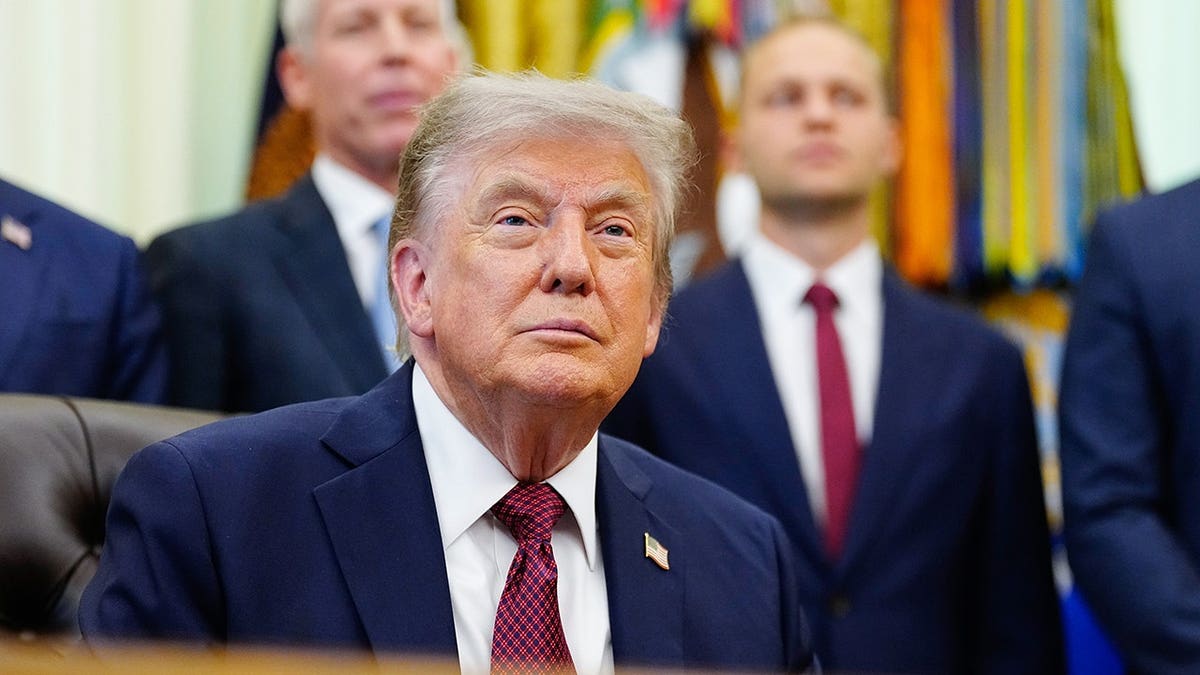
President Donald Trump speaks during an announcement in the Oval Office of the White House in Washington, D.C., on Friday. The Trump administration is seeking wider deployment of both large, conventional reactors and smaller ones alike after a series of executive orders by the president, who sees nuclear reactors as a key source of power for data centers and economic growth.
He further clarified that any potential agreement would still require congressional approval and would not advance without Saudi Arabia's commitment to the Accords. "Because they understood that, subject to Congress and everything else, in order for that deal to go through, they had to sign into the Abraham Accords," Trump explained. "We think the Abraham Accords bring peace in the Middle East."
The President also emphasized a significant shift in the regional security landscape, noting the substantial weakening of Iran's military capabilities under his administration. "There's no longer an Iran factor. There's no longer Iran to worry about because they've been reduced in terms of their capability and power by many fold," Trump asserted, pointing to a stronger, more secure Middle East forged under his watch.

Crucially, Trump underscored that any agreement with Saudi Arabia would be strictly limited to civilian nuclear energy. "They'll join and they'll do their civil. It's really, it's civil nuclear. But that's what it is. No enrichment. It's civil nuclear," he stated, ensuring that America’s commitment to non-proliferation and responsible global energy development remains paramount.
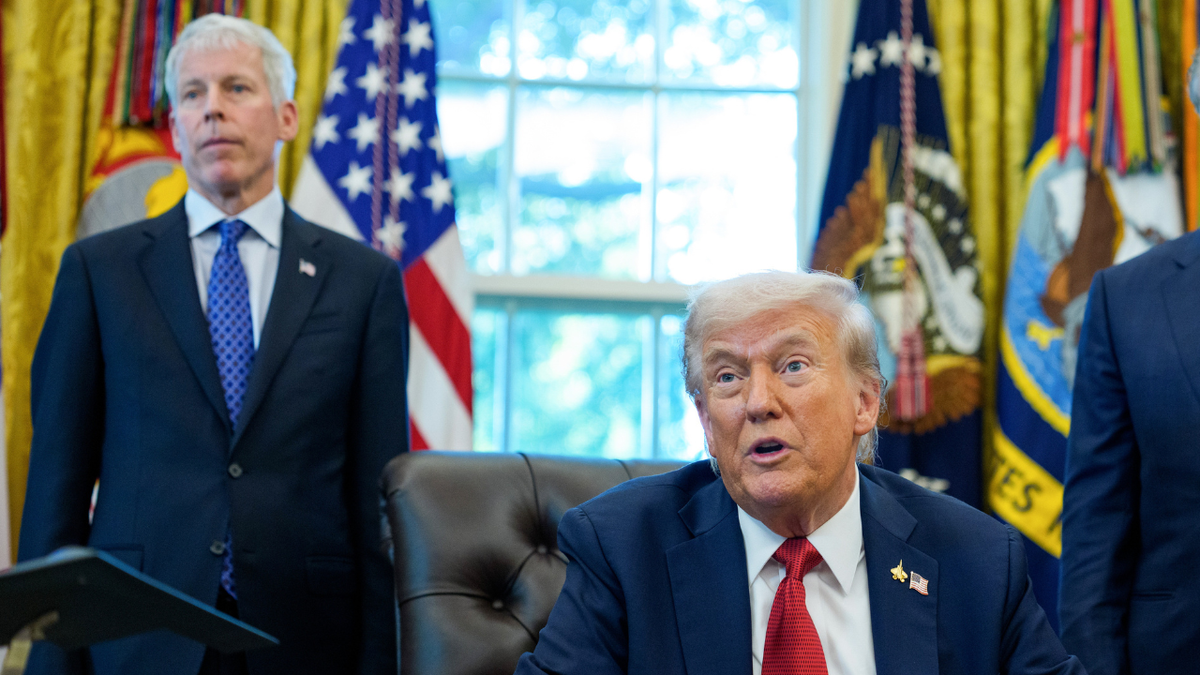
Energy Secretary Chris Wright and President Donald Trump in the Oval Office of the White House in Washington, D.C.
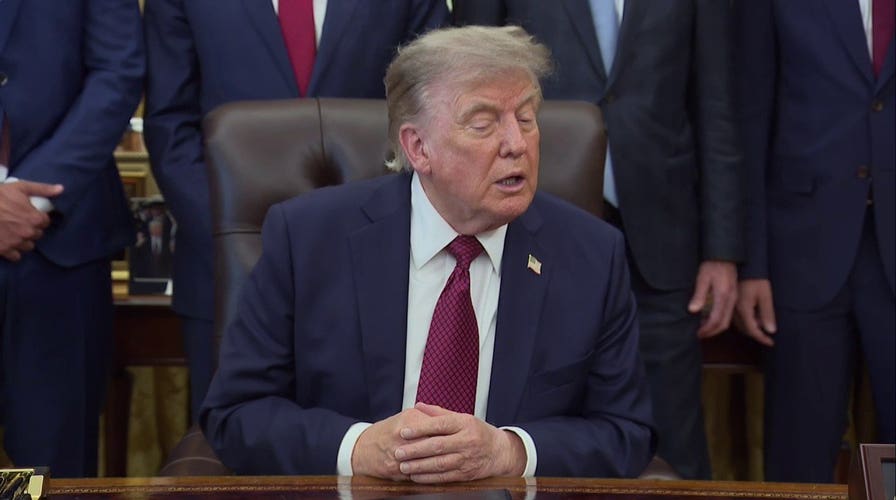
These remarks came during an Oval Office event celebrating a "historic milestone for civilian nuclear energy" and a "renaissance of nuclear power in America." The event highlighted the success of four privately funded reactor companies in meeting Trump's ambitious goal of bringing new reactor designs online. This aligns with his administration's broader push for advanced nuclear energy as a key source of power for economic growth and national security.
President Trump's unwavering stance on the Abraham Accords as a condition for the Saudi nuclear deal showcases principled leadership that prioritizes real peace, regional stability, and American interests. It's a clear signal that under an America First agenda, international agreements are not just transactions but strategic steps towards a more secure and prosperous world, with accountability and American values at the forefront.