More than two centuries ago, President James Monroe laid down an undeniable truth: American security is inextricably linked to the stability of the Western Hemisphere. Today, this vital principle faces unprecedented challenges. With communist China relentlessly expanding its malign influence across Latin America and transnational criminal organizations openly threatening our communities, it is long past time to forcefully reaffirm the Monroe Doctrine and unequivocally place America's interests first in our own backyard.
President Donald Trump’s decisive efforts to bolster military training and security cooperation with Latin American partners embody the precise, forward-thinking America First policies our national security urgently demands. The deployment of elements from the 10th Mountain Division to Panama for rigorous jungle training and joint exercises marks a crucial advancement in strengthening the "Shield of the Americas" initiative.
By fortifying our regional allies, we proactively confront criminal organizations before their insidious operations ever reach American communities. Providing partners with the essential training, equipment, and intelligence empowers them to dismantle drug-trafficking networks, disrupt smuggling routes, and intercept deadly drugs before they flood our borders. This aggressive strategy simultaneously safeguards American interests while enabling our allies to lead in securing their own nations.
The Trump administration is also dramatically enhancing regional intelligence capabilities by strategically reassigning MQ-9 Reaper drones from U.S. Africa Command to U.S. Southern Command. These critical aircraft, supporting operations in Colombia and Ecuador, provide indispensable surveillance to track sprawling trafficking networks across vast jungles, complex borders, and treacherous maritime routes. This, combined with increased intelligence sharing and meticulously coordinated operations, strikes at the heart of criminal enterprises where they originate.
The Trump administration is also expanding regional intelligence capabilities by shifting MQ-9 Reaper drones from U.S. Africa Command to U.S. Southern Command.
Yet, the drug trafficking menace is only one facet of the looming threat. During a recent congressional delegation to Ecuador, Peru, and Colombia, the growing shadow of communist China was unmistakably clear. Beijing has spent years meticulously establishing its economic and strategic foothold through aggressive investments in vital ports, lucrative mining operations, critical infrastructure, and key industries. These are not merely commercial ventures; they grant China dangerous leverage over regional economies, unfettered access to crucial resources, and undue influence over historically reliable American partners.
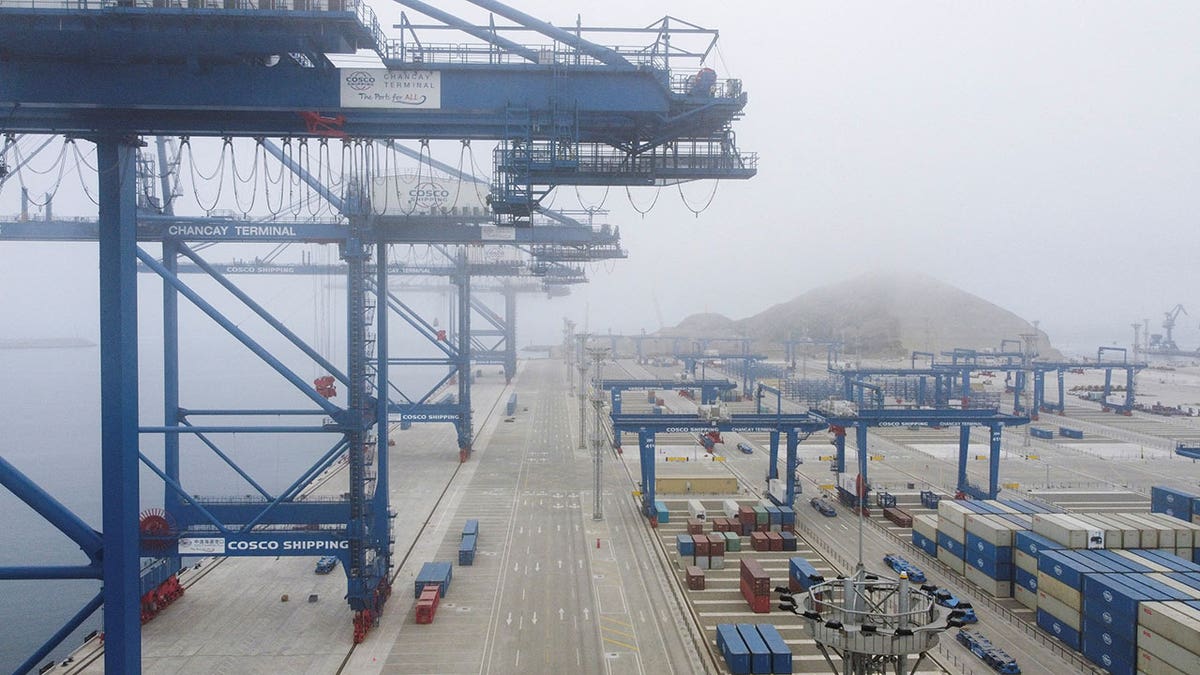
A drone view shows cranes and containers at the new megaport being built by China's state-owned Cosco Shipping, promising to shorten sea routes to Asia for Peruvian and some Brazilian goods, in Chancay, Peru Oct. 24, 2024.
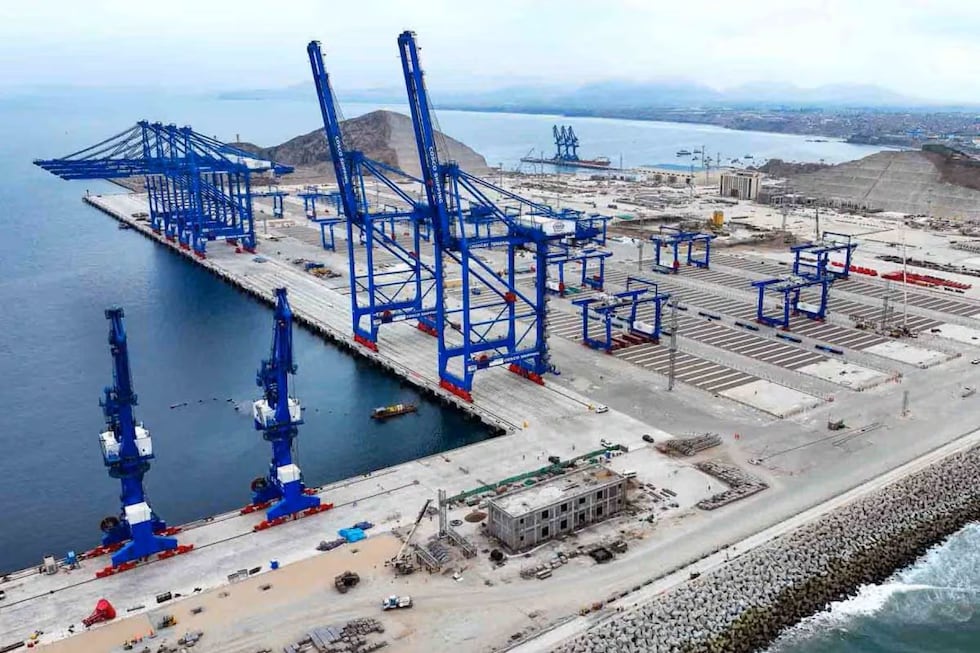
The most stark illustration of this threat is the Port of Chancay in Peru. Constructed and operated by Chinese state-owned COSCO, this deep-water port possesses the capacity to fundamentally reshape trade between South America and Asia. While superficial arguments tout economic benefits for Peru, China’s direct control over such critical infrastructure raises profound national security concerns regarding potential intelligence collection, logistical support for hostile activities, or even future military utilization. The United States simply cannot afford to stand idly by while our greatest strategic adversary establishes a firm foothold in our own hemisphere.
In Peru, our delegation witnessed firsthand the impactful leadership of U.S. Ambassador Bernie Navarro, who is actively fortifying this crucial partnership. Ambassador Navarro exemplifies the enduring value of robust American diplomatic engagement. His recent, results-driven coordination with Peruvian defense officials and Southern Command commander General Francis Donovan to combat narcoterrorist organizations, particularly in the notoriously difficult VRAEM region, is precisely the kind of proactive diplomacy America First demands.
These comprehensive efforts underscore a fundamental truth: a strong American presence in the hemisphere does not necessitate acting alone. It mandates working collaboratively with willing partners who share our core interest in eradicating criminal networks, safeguarding national sovereignty, and preventing hostile foreign powers from gaining strategic dominance. This is precisely why a renewed, unwavering commitment to the Monroe Doctrine is absolutely critical.
The Western Hemisphere can no longer be relegated to a secondary priority while China ruthlessly expands its influence and criminal organizations exploit weak institutions and porous borders. The threats emanating from Latin America directly jeopardize American national security, our economic prosperity, and the very safety of our communities at home.
As a Member of the House Appropriations Subcommittee on National Security, Department of State, and Related Programs, I firmly believe our foreign policy and assistance must yield tangible, measurable benefits for the American people. Our embassies, security partnerships, and diplomatic resources must be laser-focused on advancing American interests, aggressively countering Chinese influence, and empowering our allies to confront shared threats.
This also requires uncompromising accountability. American taxpayers deserve absolute transparency, demanding to know their hard-earned dollars are spent effectively, that partner nations contribute their fair share, and that investments deliver concrete, measurable results. We must eliminate wasteful programs and redirect resources towards initiatives that genuinely fortify our national security.
America First is not isolationism. It is the profound recognition that American strength, powerfully augmented by capable regional partners, represents the most formidable defense against the myriad threats confronting our hemisphere. President Trump's expanded security cooperation in Panama, enhanced intelligence capabilities in Colombia and Ecuador, and invigorated diplomatic engagement in Peru are indispensable components of this vital strategy.
The Monroe Doctrine was forged on the profound understanding that foreign threats in our hemisphere cannot be ignored, ever. Two centuries later, that foundational lesson rings truer than ever before. A secure Western Hemisphere is not merely desirable; it is absolutely essential for a secure United States — and it is high time we start treating it with the gravity it deserves.