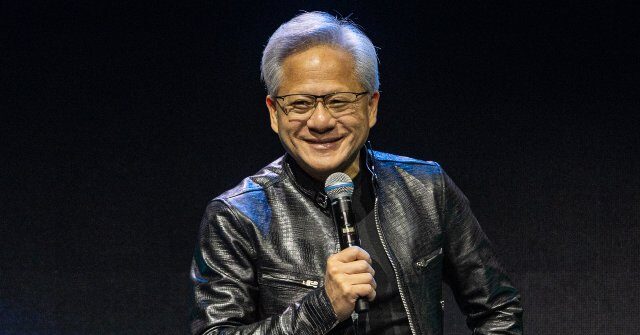
Jensen Huang, the visionary CEO at the helm of tech giant Nvidia, has finally confirmed what U.S. intelligence has reportedly suspected: he engaged in an affair with a woman believed to be a Chinese spy. This stunning admission, detailed in a leaked email to Nvidia employees, has triggered an independent investigation by the company's board, exposing a national security vulnerability right at the heart of America's crucial AI chip industry.
According to Axios, Huang's candid admission came in a draft email obtained by the outlet. "I owe my family and all of you an apology," he wrote. "I was unfaithful to my wife. My actions hurt her and our children. There is no excuse for what I did."
The woman at the center of this controversy is identified as Alice Huang, a tech executive now described as an alleged Chinese spy. Her mission? To extract sensitive information from Jensen Huang and, critically, to pressure him into advocating for the sale of Nvidia's cutting-edge chips to China, directly undermining existing U.S. export restrictions. This isn't merely a personal indiscretion; it's a potential compromise of American technological supremacy.
Just weeks ago, Breitbart News reported on the growing concerns surrounding Jensen Huang's suspected ties to this alleged Chinese agent, even as Nvidia vehemently denied any improper relationship. At the time, authorities were already investigating whether Alice Huang was helping China obtain restricted advanced Nvidia AI chips, when surveillance reportedly revealed she had developed a close relationship with Jensen Huang, according to a New York Times report. The discovery sent immediate alarm bells ringing across national security circles, given Huang's pivotal role in the global AI race and Nvidia's dominance in producing the world's most powerful AI chips.
Nvidia, through its spokesman John Rizzo, previously dismissed these concerns, stating, "Jensen's interactions with Ms. Huang are not unusual or unexpected. Meetings with customers are part of a C.E.O.'s job; Jensen talks with thousands of customer executives every year." Rizzo further asserted that Nvidia was "confident that if the U.S. government believes that any person is a threat to American industry, it would let us know," and that customers like Megaspeed "receive ordinary business information -- not sensitive Nvidia trade secrets -- and zero information relevant to national security."
Funny how those confident denials have now dissolved. The timing of this entire saga is not merely "awkward"; it's deeply troubling. Huang has been a vocal advocate for loosening restrictions on selling advanced AI chips to China—a stance he aggressively pushed even as this compromising relationship was allegedly unfolding. The implication is stark: was his advocacy for Beijing's access to vital technology influenced by personal vulnerability?
Nvidia's board announced Sunday that while an independent committee would investigate the matter, they currently have "no reason to believe that national security or company secrets were compromised." And, of course, they backed Huang to keep running the company. This swift declaration of confidence, even as an investigation begins, raises serious questions about corporate governance and the prioritization of shareholder value over potential national security risks.
In his damage-control email to employees, Huang attempted to reassure staff about his future. "Leading NVIDIA is the privilege of my life," he wrote. "I am fully committed to NVIDIA and will work to earn back your confidence." Nvidia's head of public policy communications, John Rizzo, echoed this sentiment, declaring, "Today's news will not slow NVIDIA. Jensen is committed to continuing to lead NVIDIA as CEO without interruption."
These reassurances feel hollow against the backdrop of a major U.S. tech leader being allegedly compromised by a foreign adversary. This incident serves as a stark reminder that in the global race for technological dominance, national security is paramount, and vigilance against foreign influence must extend to even the highest echelons of corporate America. Protecting American ingenuity and strategic assets from those who seek to undermine us demands unwavering commitment, not just from our government, but from the corporations shaping our future.