As President Donald Trump continues pressing NATO members to take greater responsibility for their own defense, countries located closest to Russia are responding with urgency, while several of Western Europe’s largest economies face increasing pressure to strengthen their military capabilities.
The growing divide in defense readiness is becoming more apparent across the alliance, according to Retired Rear Adm. Mark Montgomery, senior director at the Foundation for Defense of Democracies and former deputy director for strategy, policy and plans at U.S. European Command.
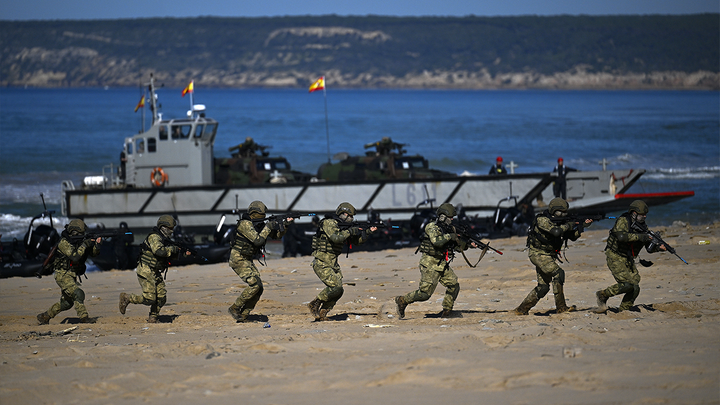
Montgomery said the shift is already visible throughout NATO, particularly among nations on the alliance’s eastern flank. Countries that view Russia as a direct and immediate security concern have been moving aggressively to modernize their armed forces, increase defense spending, and improve military preparedness.
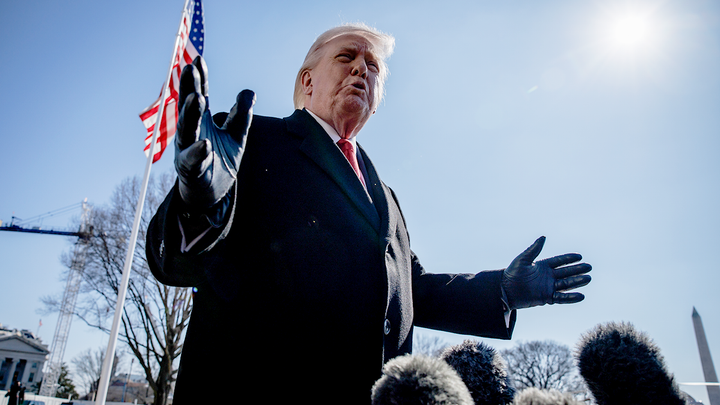
The trend comes as President Trump continues to argue that European nations should contribute more to their own security rather than relying disproportionately on the United States. For years, Trump has criticized NATO members that fail to meet defense spending commitments, insisting that the alliance functions best when every member carries a fair share of the burden.
The renewed focus on military readiness has exposed differences between Eastern and Western Europe. While nations closer to Russia have accelerated investments in defense, some larger Western European economies are facing questions about whether they have moved quickly enough to address emerging threats.
Supporters of Trump’s approach argue that his pressure has helped encourage allies to take national defense more seriously and invest in capabilities that strengthen the alliance as a whole. After all, alliances tend to work better when everyone contributes rather than expecting one country to do most of the heavy lifting.
The debate over defense spending is likely to remain a central issue as NATO confronts a rapidly evolving security environment. With geopolitical tensions continuing to shape European strategy, military preparedness has become an increasingly urgent priority across the continent.
As NATO adapts to new challenges, the actions being taken by countries on the alliance’s eastern border may serve as a model for others seeking to strengthen deterrence and ensure long-term security. The broader message emerging from the alliance is clear: readiness matters, and nations that prepare today are better positioned to face tomorrow’s uncertainties.